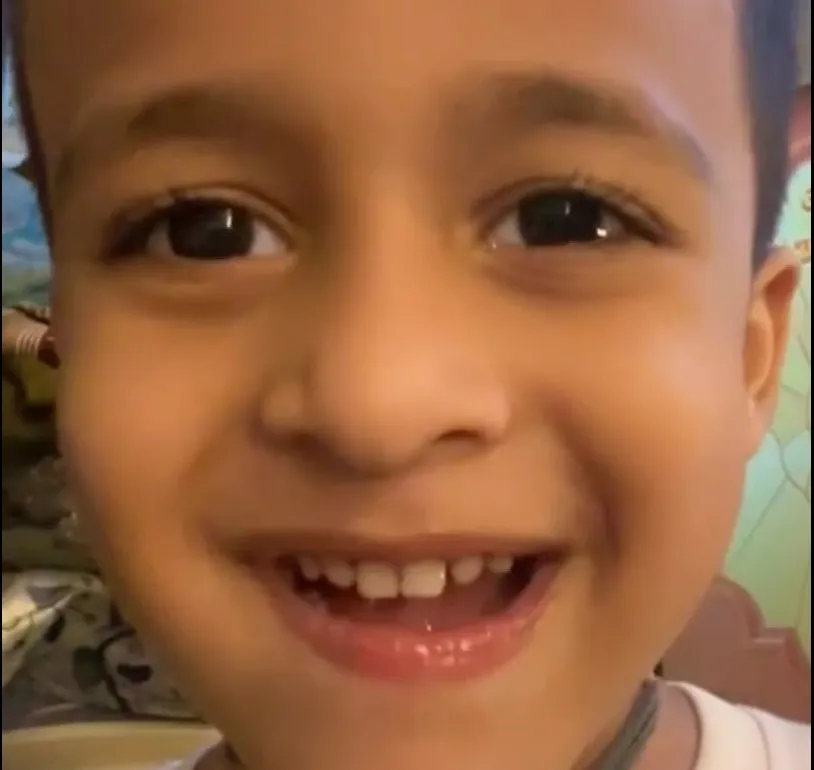
Many parents think milk teeth (baby teeth) don't need much care because they will eventually fall out.
That's a misconception.
Milk teeth play an important role in chewing, speech, jaw development and maintaining space for permanent teeth. Keeping them healthy is essential even though they are temporary.
If you're looking for children's dental care in Thane or Mulund West Mumbai, here's what every parent should know about milk teeth.
🦷 What Are Milk Teeth?
Milk teeth are also called:
- Baby teeth
- Primary teeth
- Deciduous teeth
Most children eventually have 20 milk teeth—10 in the upper jaw and 10 in the lower jaw.
The first teeth usually begin appearing around 6 months of age, although the timing can vary from child to child.
👶 When Do Milk Teeth Come In?
A typical pattern is:
AgeWhat Usually HappensAround 6 monthsFirst baby teeth may appear6–12 monthsFront teeth begin erupting1–2 yearsMore baby teeth appearAround 2–3 yearsMost children have all 20 milk teethAround 6 yearsFirst permanent teeth and tooth shedding may begin
There is considerable normal variation, so a few months' difference doesn't necessarily indicate a problem.
🦷 Why Are Milk Teeth Important?
Milk teeth are temporary, but they have several important functions.
1. They Help Children Eat
Healthy teeth allow children to bite and chew food properly.
2. They Support Speech Development
Teeth play a role in forming certain sounds. Missing or painful teeth can sometimes affect speech development.
3. They Maintain Space for Permanent Teeth
Baby teeth help maintain the space needed for the permanent teeth developing underneath.
Premature loss of a baby tooth can sometimes result in loss of space, which may affect the eruption of the permanent tooth.
4. They Support Normal Jaw Development
Chewing and normal oral function contribute to the development of the jaws and surrounding structures.
5. They Help Children Build Good Dental Habits
Learning to brush and visit the dentist early can establish habits that continue into adulthood.
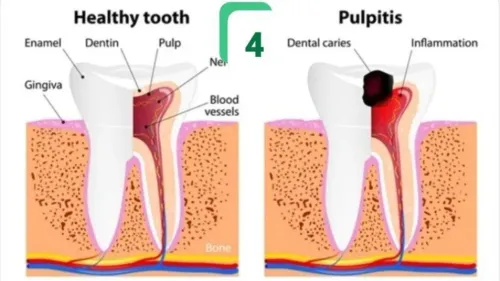
🚨 Can Milk Teeth Get Cavities?
Yes.
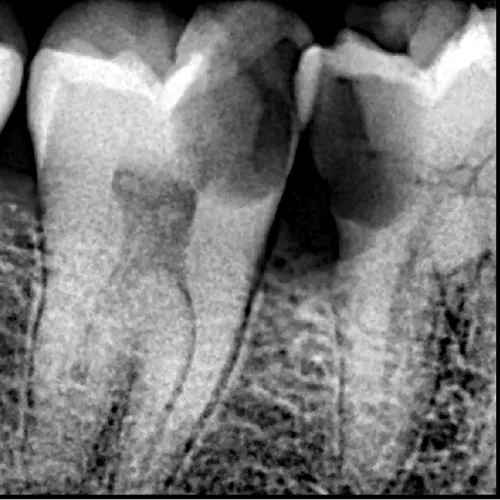
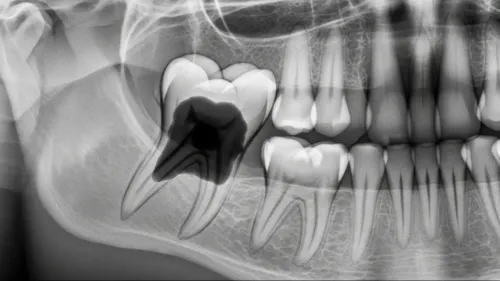
Children can develop cavities in milk teeth, and decay can sometimes progress quickly.
Signs may include:
- White spots on teeth
- Brown or black areas
- Tooth sensitivity
- Toothache
- Difficulty chewing
- Swelling around a tooth
Don't wait for your child to complain of pain before seeing a dentist.
🍭 Why Do Children Get Cavities?
Common risk factors include:
Frequent Sugar Exposure
Frequent consumption of:
- Chocolates
- Biscuits
- Sweets
- Sugary drinks
- Juice
- Sweetened milk
can increase the risk of decay.
The frequency of sugar exposure throughout the day is particularly important.
Poor Brushing
Young children often cannot clean their teeth effectively on their own.
Parents should help or supervise brushing.
Bottle Feeding Habits
Repeated exposure to sugary liquids, especially around bedtime, can increase the risk of early childhood tooth decay.
Poor Oral Hygiene
Plaque left around baby teeth allows cavity-causing bacteria to thrive.
🪥 How Should You Care for Milk Teeth?
Start Brushing Early
Begin brushing as soon as the first tooth appears.
Use:
✔ A small, soft-bristled toothbrush
✔ Fluoride toothpaste in an age-appropriate amount
✔ Gentle brushing twice a day
Young children should be supervised while brushing.
🧴 How Much Toothpaste Should a Child Use?
For young children, only a small amount is needed.
Under 3 Years
Use a smear/rice-grain-sized amount of fluoride toothpaste.
3–6 Years
Use a pea-sized amount.
Encourage children to spit rather than swallow toothpaste, and supervise brushing.
🦷 What Happens When Milk Teeth Become Loose?
Milk teeth normally become loose when the permanent tooth underneath begins to develop and resorb the baby tooth's root.
The baby tooth then falls out and is replaced by a permanent tooth.
Don't forcefully pull a loose baby tooth unless your dentist recommends it.
If a tooth is very loose and causing discomfort, your dentist can advise whether it should be removed.
⚠️ What If a Baby Tooth Falls Out Too Early?
Premature loss of a baby tooth can sometimes cause the neighboring teeth to shift into the space.
This can reduce the room available for the permanent tooth.
Depending on the child's age, tooth involved, and expected eruption of the permanent tooth, your dentist may consider a space maintainer.
Not every prematurely lost baby tooth requires one—the decision is individualized.
🦷 Should a Cavitated Milk Tooth Be Treated?
Yes.
The appropriate treatment depends on:
- Size of the cavity
- Tooth involved
- Child's age
- Symptoms
- Whether the permanent tooth is close to erupting
Treatment may include:
- Preventive fluoride care
- Filling
- Pulp treatment
- Stainless steel crown
- Extraction in selected cases
Your dentist will determine the most appropriate option.
😣 What If My Child Has a Toothache?
A toothache in a child should not be ignored.
Contact your dentist if your child has:
🦷 Persistent tooth pain
🫧 Facial or gum swelling
🌡️ Fever associated with dental symptoms
🍽️ Difficulty eating
🦷 A broken tooth
😴 Pain that interrupts sleep
A dental infection can progress, even when the initial cavity appears small.
🩺 When Should a Child First Visit the Dentist?
Your child's first dental visit should ideally happen by their first birthday or within 6 months of the first tooth appearing.
Regular visits help the dentist:
✔ Monitor tooth development
✔ Identify early cavities
✔ Assess oral hygiene
✔ Discuss fluoride
✔ Guide parents on diet
✔ Prevent dental problems
👶 Do Milk Teeth Need Professional Cleaning?
Sometimes.
Children can develop plaque and tartar just like adults. If there is significant buildup, your dentist may recommend professional cleaning.
However, daily brushing and parental supervision are the foundation of preventing plaque buildup.
❓ Common Questions About Milk Teeth
Are milk teeth really important if they will fall out?
Yes. They support chewing, speech, jaw development and maintain space for permanent teeth.
Should cavities in milk teeth be treated?
Yes. Untreated decay can cause pain, infection and, in some cases, affect the developing permanent tooth.
At what age do children lose milk teeth?
Many children begin losing their front baby teeth around 6 years of age, but the timing varies.
Should I pull out my child's loose tooth?
Usually, allow it to fall out naturally unless your dentist advises otherwise.
Can milk teeth have root canals?
Yes. If decay reaches the pulp of a baby tooth and the tooth needs to be retained, a pediatric pulp treatment may be recommended.
What happens if a baby tooth is removed too early?
The neighboring teeth may move into the space, potentially affecting the eruption of the permanent tooth. In selected cases, a space maintainer may be recommended.
🏥 Children's Dental Care in Thane & Mulund West
At Procare Dental LLP, children's dental visits focus on prevention, early diagnosis and building healthy oral-care habits.
Parents can receive guidance on:
Milk teeth care → Brushing → Fluoride → Diet → Cavity prevention → Tooth eruption → Space maintenance → Regular check-ups
The goal is to keep milk teeth healthy until they naturally make way for the permanent teeth.
✅ Final Takeaway
Milk teeth may be temporary, but they are far from unimportant.
They help children:
🦷 Eat and chew
🗣️ Develop speech
🧒 Maintain space for permanent teeth
🦴 Support normal oral development
🪥 Build lifelong dental habits
Start brushing when the first tooth appears, limit frequent sugary foods and drinks, and don't ignore cavities or toothache.
👉 Healthy milk teeth help create a healthier foundation for your child's permanent teeth.
Procare Dental LLP – Thane & Mulund West, Mumbai
📞 7071876876
To know more tap on the link given below:
Keywords