Have you ever experienced this?
Your tooth feels completely fine when you are sitting, talking or even drinking—but the moment you bite down, you feel a sharp pain.
This is a surprisingly common dental complaint.
Pain that occurs specifically when biting or chewing can sometimes indicate a problem inside the tooth, around its root, or even with the way the tooth is contacting the opposing tooth.
It is worth getting it checked rather than simply waiting for the pain to disappear.
1. A Cracked Tooth
One of the common reasons for pain while biting is a crack in the tooth.
A crack may be very small and difficult to see, especially if it is underneath an existing filling or crown.
You may notice:
- Sharp pain when biting
- Pain when releasing your bite
- Pain with certain foods
- Occasional sensitivity to cold
- Pain that seems to come and go
Not every cracked tooth requires extraction. Treatment depends on where the crack is, how deep it is and whether the tooth can be restored.
2. Inflammation Around the Root
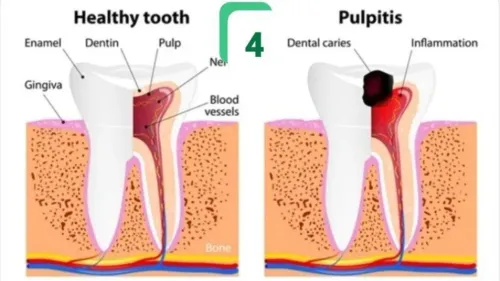
If the nerve inside a tooth becomes inflamed or infected, the tissues surrounding the root can also become irritated.
This can make the tooth feel tender when you bite on it.
It may occur with:
- Deep decay
- A damaged or dying nerve
- A previous root canal problem
- Trauma to the tooth
Sometimes the tooth may not hurt continuously—it may hurt mainly when pressure is applied.
3. A Cavity That Has Become Deep
A small cavity may not cause any symptoms.
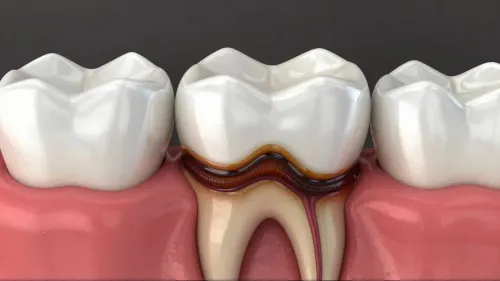
But as decay progresses deeper toward the nerve, you may develop sensitivity or pain.
In some cases, chewing pressure can trigger discomfort, particularly if the tooth has become structurally weakened.
The absence of constant pain does not necessarily mean the cavity is minor.
4. A Filling or Crown May Be Slightly High
Sometimes the problem isn't an infection or crack at all.
After a filling, crown or other dental restoration, the tooth may contact the opposing tooth slightly earlier or harder than it should.
You may feel:
“This tooth hits first when I bite.”
That extra pressure can make the tooth sore when chewing.
A dentist can check your bite and, if appropriate, make a small adjustment.
5. Gum or Bone Problems Around the Tooth
Pain on biting can occasionally come from the tissues supporting the tooth rather than the tooth itself.
Inflammation around the gums or supporting bone can cause tenderness, especially when chewing.
This is one reason a proper examination is important—the location of the pain alone doesn't always reveal its cause.
6. An Infection or Dental Abscess
If bacteria reach the nerve and infection spreads toward the root, an abscess can develop.
Possible symptoms include:
- Pain while biting
- Persistent toothache
- Swelling
- Gum tenderness
- A pimple-like bump on the gum
- Bad taste or drainage
- Fever in more advanced infections
If swelling or fever accompanies dental pain, seek dental care promptly.
Why Does It Hurt Only When I Bite?
This is an important clue.
When you bite, pressure is transmitted through the tooth and into the tissues surrounding its root.
If one of these structures is inflamed, damaged or irritated, that pressure can trigger pain—even when the tooth feels comfortable at rest.
That's why “It only hurts when I bite” is still a symptom worth investigating.
How Does a Dentist Find the Cause?
Your dentist may use several tests rather than relying on an X-ray alone.
These can include:
🦷 Bite test
You may be asked to bite on a small instrument or specific areas of the tooth to identify where the pain originates.
🦷 Percussion test
The dentist gently taps the tooth to assess inflammation around the root.
🦷 Pulp/nerve testing
Cold or other tests may help determine whether the nerve is healthy, inflamed or no longer responding normally.
🦷 X-ray or CBCT
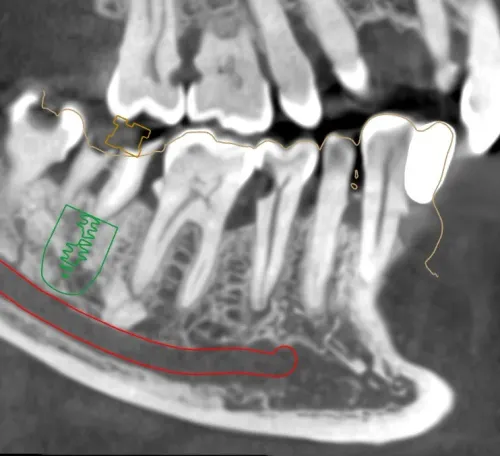
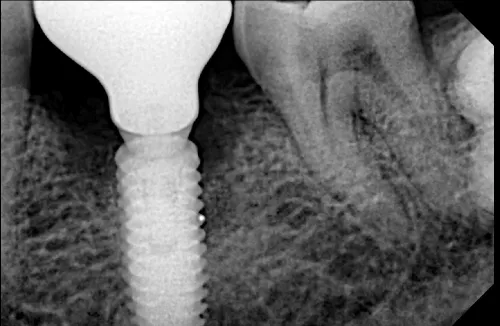
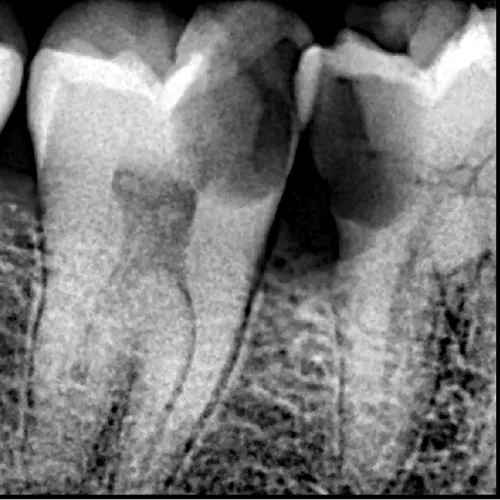
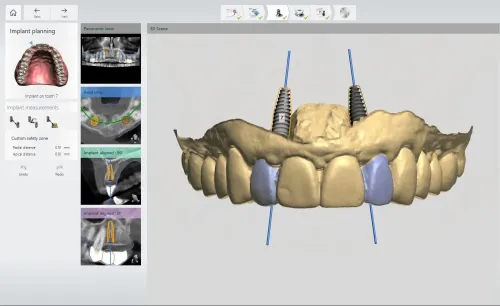
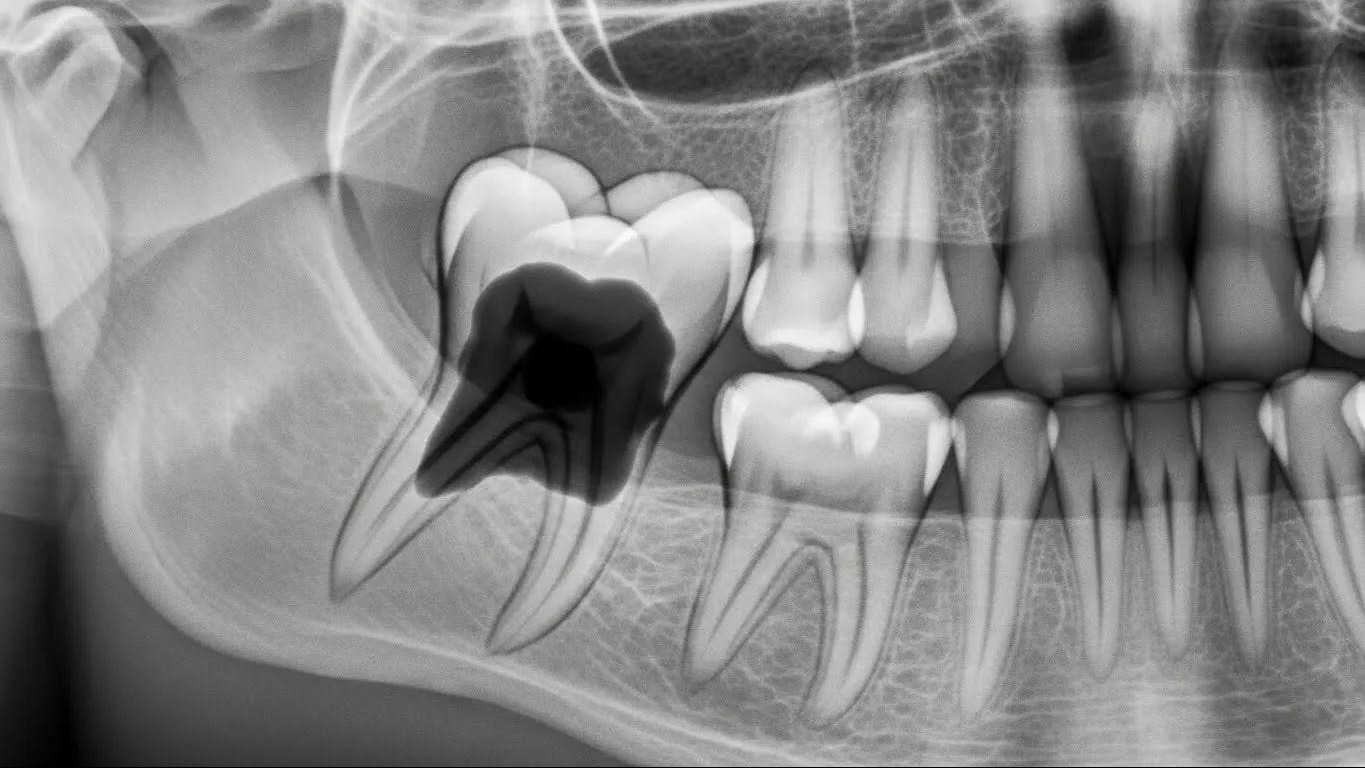
Imaging can help identify decay, infection, bone changes, previous root canal problems and other conditions.
🦷 Examination of existing restorations
Fillings, crowns and other restorations are checked for leakage, fractures, excessive bite contact or other problems.
Does Tooth Pain When Biting Always Mean I Need a Root Canal?
No.
The treatment depends entirely on the cause.
For example:
Possible CausePossible TreatmentHigh filling/crownBite adjustmentSmall cavityFillingDeep decay affecting nerveRoot canal + restoration, if the tooth is restorableCracked toothDepends on severity and restorabilityGum inflammationGum treatmentDental abscessTreatment of the source of infectionSeverely damaged toothExtraction may sometimes be necessary
This is why it is better not to assume that every painful tooth needs a root canal—or that every painful tooth will eventually need extraction.
When Should You See a Dentist?
Don't ignore biting pain if:
- It has continued for more than a few days
- It is getting worse
- The tooth feels different when you bite
- You have sensitivity to hot or cold
- The tooth has a large filling or crown
- You have swelling or gum tenderness
- You have previously had a root canal on that tooth
- You suspect the tooth may be cracked
And if you develop facial swelling, fever, difficulty swallowing or difficulty breathing, seek urgent dental/medical care.
The Bottom Line
Pain only when biting is not something to diagnose based on symptoms alone.
It could be something relatively simple, such as a high filling, or something requiring more extensive treatment, such as a cracked tooth or infection.
The earlier the cause is identified, the more options you may have for saving the tooth.
If a tooth hurts every time you bite down, don't simply stop chewing on that side and hope it goes away. Get the tooth examined.
🦷 Procare Dental LLP – Thane & Mulund West, Mumbai
At Procare Dental LLP, a detailed clinical examination, appropriate X-rays/CBCT and diagnostic tests can be used to identify the cause of tooth pain before deciding on treatment.
📞 7071876876
Keywords