Have you ever wondered whether a tooth can develop a cavity even after it has been covered with a dental crown?
Many patients assume that once a tooth receives a crown, it is permanently protected from decay. After all, the crown covers the visible part of the tooth.
But yes, you can develop a cavity under or around a dental crown. A crown protects the tooth, but it does not make the underlying natural tooth immune to decay.
Understanding how this happens—and recognising the warning signs—can help you protect your crowned tooth for years to come.
1. How Can a Cavity Develop Under a Crown?
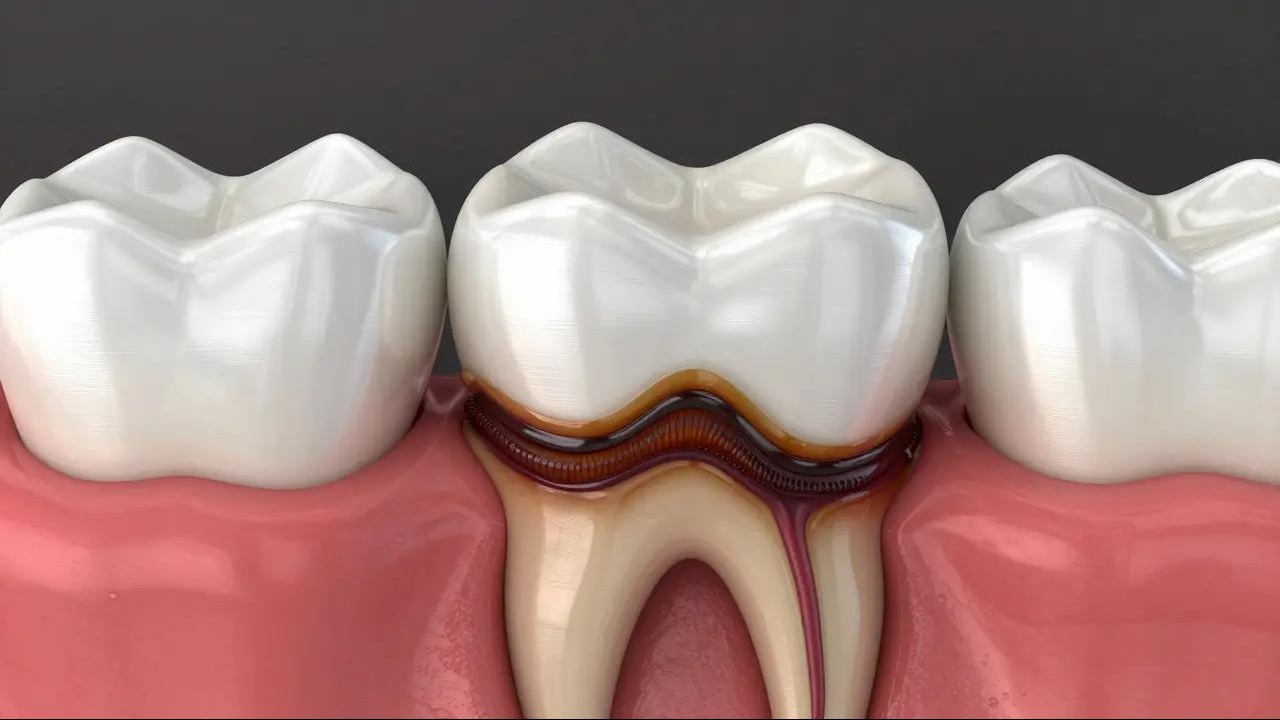
A dental crown covers the visible portion of a prepared tooth. However, the edge of the crown meets the remaining natural tooth near the gumline.
If plaque accumulates around this junction, bacteria can produce acids that damage the exposed natural tooth structure.
This can lead to recurrent decay, also called secondary caries.
Decay may develop:
- Along the edge of the crown
- Near the gumline
- On an exposed root surface if the gums have receded
- In natural tooth structure that was not completely protected by the restoration
The crown itself does not decay, but the natural tooth underneath or beside it can.
2. Why Does Decay Develop Around Dental Crowns?
Several factors can increase the risk.
Poor plaque control
If brushing and interdental cleaning do not adequately remove plaque around the crown margins, bacteria can accumulate and contribute to decay.
Gum recession
When gums recede, the root surface may become exposed. Root surfaces are more vulnerable to decay than enamel-covered areas.
Crown margin problems
If a crown has an open, defective or deteriorating margin, it may create an area where plaque accumulates or the underlying tooth is exposed. Not every visible margin indicates decay, so a dentist needs to assess it.
Frequent sugar exposure
Frequently consuming sugary snacks or drinks gives plaque bacteria repeated opportunities to produce acids that damage tooth structure.
Previous decay or high cavity risk
A history of cavities, dry mouth and certain medications or health-related factors that reduce saliva can increase the risk of new decay around a crown.
3. What Are the Warning Signs of a Cavity Under a Crown?
One challenge is that early decay under a crown may not cause any symptoms.
As the problem progresses, you may notice:
- Sensitivity to cold or sweet foods
- Pain when biting or chewing
- A persistent toothache
- Food getting trapped near the crown
- A rough or damaged edge around the crown
- Gum irritation or bleeding near the crowned tooth
- A bad taste or unpleasant smell around the area
These symptoms do not necessarily mean you have a cavity. A loose crown, a cracked tooth, gum disease or a problem with the tooth's nerve can produce similar symptoms.
Don't wait for pain to develop before having a suspicious crown examined.
4. Can a Crowned Tooth Need a Root Canal?
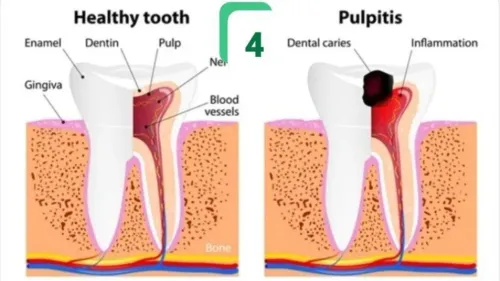
Yes. A tooth with a crown can still develop inflammation or infection of the dental pulp.
This can happen if decay progresses deep into the tooth, or because of other problems such as trauma or complications involving the tooth's nerve.
Possible symptoms include:
- Pain that lingers after hot or cold drinks
- Spontaneous toothache
- Pain that wakes you at night
- Tenderness when biting
- Swelling in more advanced cases
Not every crowned tooth with pain needs a root canal. The dentist must determine whether the pulp is healthy, inflamed or irreversibly damaged.
5. How Does a Dentist Detect Decay Under a Crown?
Your dentist may use a combination of clinical examination and diagnostic tests.
Clinical examination
The dentist checks the crown margins, surrounding gums, accessible tooth structure and any signs of damage or looseness.
Dental X-rays
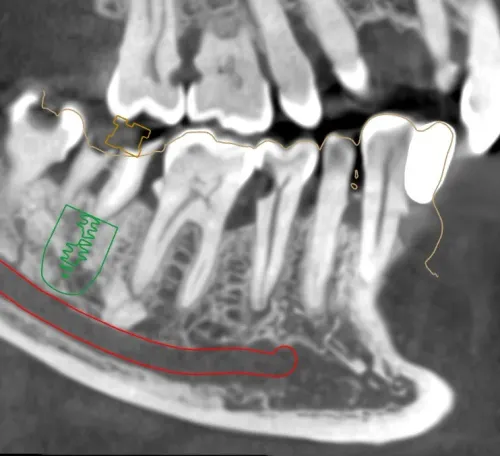
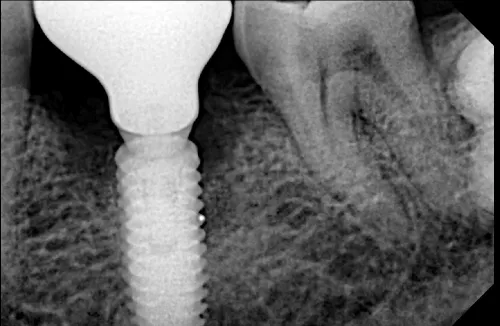
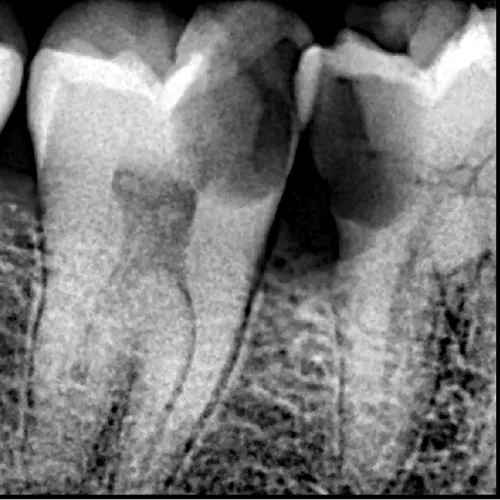
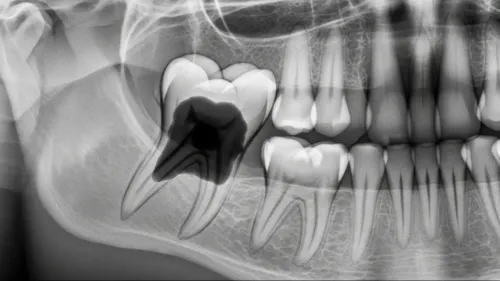
Appropriate X-rays may reveal decay near or beneath accessible crown margins, although crowns and their materials can sometimes obscure details
Additional tests
If the tooth is painful, the dentist may assess the bite, test the pulp and examine the supporting tissues to identify the actual cause.
No single test can reliably detect every cavity beneath every crown. The findings must be considered together.
6. Does the Crown Have to Be Removed?
Not always. Treatment depends on the location and extent of the decay, the condition of the crown and whether the remaining tooth can be restored.
Situation
Possible treatment
No decay; crown and margins are sound
Continue preventive care and monitoring
Small area of accessible decay near a margin
Repair or restoration may be possible in selected cases
Significant decay beneath the crown
Crown removal and replacement may be necessary
Decay affecting the nerve
Root canal treatment and a suitable final restoration may be needed
Tooth severely damaged or not restorable
Extraction may sometimes be necessary
Sometimes the existing crown can be retained, but in other cases it must be removed to assess and treat the tooth properly. Your dentist can explain the options after examining the tooth.
7. How Can You Prevent Cavities Around Dental Crowns?
The good news is that many risk factors can be managed.
- Brush twice daily with fluoride toothpaste.
- Clean between your teeth daily using suitable interdental brushes or floss.
- Pay particular attention to the gumline around the crown.
- Limit frequent sugary snacks and drinks.
- Attend regular dental check-ups based on your cavity risk.
- Seek an assessment if the crown feels loose, food repeatedly gets trapped or the gum around it becomes irritated.
A dental crown may last many years, but its lifespan depends on the condition of the underlying tooth, the quality and fit of the restoration, oral hygiene, bite forces and regular maintenance.
The Bottom Line
A dental crown protects a tooth, but it does not make the tooth cavity-proof.
Decay can develop around the crown margins and may progress without obvious pain in the early stages. Regular examinations, appropriate X-rays when indicated and careful cleaning around the gumline can help identify problems before they become more extensive.
If you have a crowned tooth that has become sensitive, painful or loose, have it checked rather than assuming the crown itself is the only issue.
Procare Dental LLP – Thane & Mulund West, Mumbai
At Procare Dental LLP, clinical examination and appropriate diagnostic tests can help assess existing crowns, identify possible recurrent decay and determine whether monitoring, repair or replacement is needed.
🌐 www.procaredental.in 📞 7071876876
Keywords