Have you ever experienced a toothache and wondered, “There is no swelling, my face looks normal, and I can still eat. Can it really be something serious?”
It is a common assumption that a dental problem becomes serious only when the gums swell or the face becomes puffy.
But a tooth can need treatment even when there is no visible swelling. Cavities, cracks, inflammation of the tooth's nerve and early infections can all cause pain without producing obvious swelling.
The important thing is to understand what may be causing the pain—and not wait for additional symptoms before getting it checked.
1. A Cavity May Be Deeper Than You Think
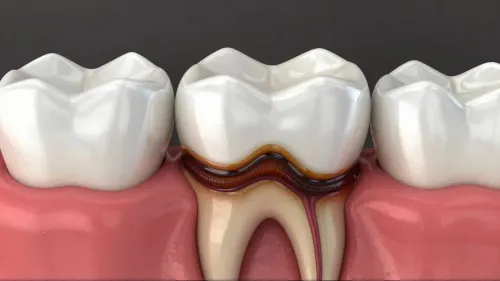
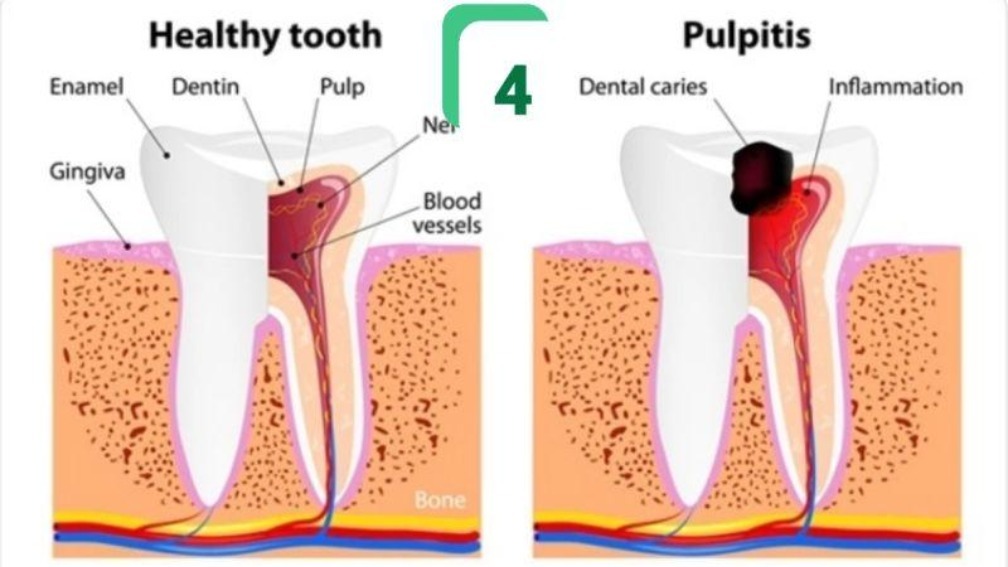
Tooth decay often begins without causing any pain. As it progresses deeper into the tooth, it can irritate the underlying dentin and eventually affect the pulp, which contains the nerves and blood vessels.
You may experience:
- A dull or intermittent toothache
- Sensitivity to cold drinks or sweets
- Pain while chewing
- Discomfort that gradually becomes more frequent
There may be no swelling at all, even when the cavity is deep.
What treatment may be needed? Depending on how far the decay has progressed, treatment may range from a filling to root canal treatment and a protective restoration.
2. The Nerve Inside the Tooth May Be Inflamed
The soft tissue inside your tooth is called the dental pulp. Deep decay, a crack, trauma or a problem with an existing filling can cause inflammation.
Possible symptoms include:
- Pain that lingers after drinking something cold
- Sensitivity to hot drinks
- Pain that starts without an obvious trigger
- Toothache that wakes you up at night
You may have significant pain even when the tooth looks normal from the outside.
Does this always mean a root canal? No. The dentist needs to assess the tooth's condition and determine whether the pulp can recover or whether root canal treatment is indicated.
3. You Could Have a Cracked Tooth
A small crack may be difficult to see without a clinical examination. It can cause pain when you bite down or release your bite, sometimes accompanied by sensitivity to cold.
Common clues include:
- Pain when chewing certain foods
- Discomfort in one specific tooth
- Symptoms that come and go
- Sensitivity without visible swelling
Treatment depends on the location and depth of the crack. Some teeth can be restored with a suitable restoration, while a deeply fractured tooth may have a poorer prognosis.
4. An Infection Can Be Present Before Swelling Develops
A dental infection does not always cause immediate, visible swelling.
Infection around the root may initially cause tenderness, pain on biting or a persistent toothache. Swelling may develop later—or may remain limited to an area that is not easily visible.
Other symptoms can include a bad taste, gum tenderness or a small pimple-like bump on the gum.
Do not wait for your face to swell before seeking care. A dentist can assess whether infection is present and treat its source.
5. Your Tooth May Hurt Because of a High Filling or Crown
Not every toothache is caused by decay or infection.
If a recent filling or crown contacts the opposing tooth too early, it can put excess pressure on that tooth when you bite.
You may feel:
- That one tooth touches first
- Pain mainly while chewing
- Tenderness when the tooth is tapped
- No pain when you are resting
A bite assessment can help identify this problem. If the restoration is high, an appropriate adjustment may relieve the discomfort.
6. Gum Problems Can Cause Tooth Pain Too
Inflammation around the gums or supporting tissues may cause tenderness around a tooth, even without obvious facial swelling.
You might notice bleeding while brushing, gum discomfort, food getting trapped or a tooth that feels tender when chewing.
Treatment depends on the findings and may include professional cleaning, periodontal treatment or management of a localised gum problem.
How Do You Know Whether Your Toothache Needs Treatment?
The pattern of pain can offer clues, but it cannot confirm the diagnosis by itself.
Your symptoms
What they may indicate
Brief pain with cold drinks
Tooth sensitivity or early decay
Pain that lingers after cold or heat
Possible inflammation of the pulp
Pain when biting
Crack, inflammation around the root or bite-related problem
Spontaneous or night-time pain
Possible significant pulp inflammation
Persistent dull ache
Several possibilities, including decay or inflammation
Toothache with fever or swelling
Possible spreading infection requiring prompt assessment
Can You Wait for the Pain to Go Away?
It depends on the cause, but toothache that persists or keeps returning should not be ignored just because there is no swelling.
Some mild sensitivity settles with appropriate home care. However, pain that disappears does not always mean the underlying problem has resolved. In some cases, the nerve may stop responding because it has become damaged or died.
Until you are examined:
- Avoid chewing hard foods on the painful side.
- Avoid foods and drinks that trigger the pain.
- Maintain gentle brushing and oral hygiene.
- Do not place aspirin or irritating substances directly on the tooth or gums.
- Arrange a dental examination if pain persists, recurs or worsens.
When Is It Urgent?
Seek prompt dental care for persistent or worsening pain, pain that interferes with sleep, pain on biting or suspected infection.
Seek urgent medical attention if you develop difficulty breathing or swallowing, rapidly spreading facial or neck swelling, or swelling around the eye. Fever with facial swelling also warrants urgent assessment.
What Will the Dentist Check?
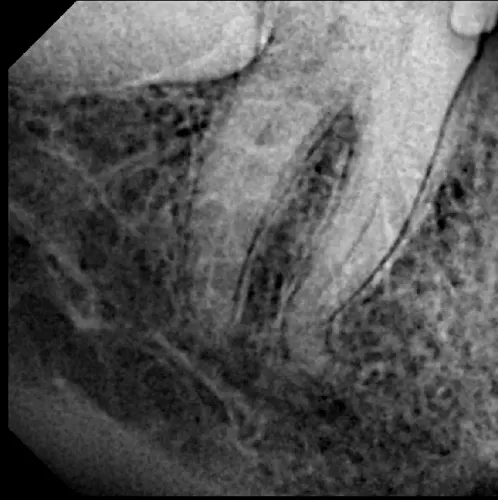
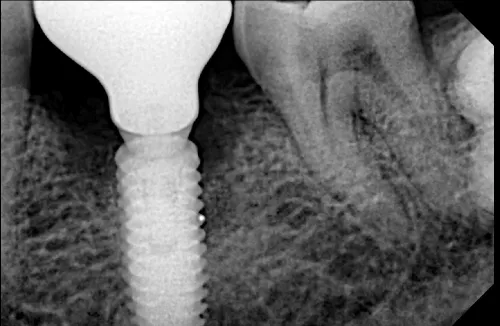
Your dentist may examine the tooth and gums, test the tooth's response to cold or other stimuli, check your bite and take a dental X-ray if indicated.
These assessments help distinguish between a cavity, pulp inflammation, a crack, a gum problem and an infection.
Treatment may involve a filling, bite adjustment, a crown, root canal treatment, gum treatment or another approach depending on the diagnosis.
The Bottom Line
No swelling does not mean no dental problem.
A tooth can have deep decay, an inflamed nerve, a crack or an infection before any visible swelling appears. Early assessment may help preserve the tooth and prevent the problem from progressing.
If you have a toothache, don't wait for your face to swell before booking an appointment.
Procare Dental LLP – Thane & Mulund West, Mumbai
At Procare Dental LLP, a clinical examination and appropriate diagnostic tests can help identify the cause of toothache and determine the treatment you need.
🌐 www.procaredental.in 📞 7071876876
Keywords