Are you planning to get a dental implant and wondering how long it will take before you can eat normally, receive your final tooth, and enjoy your new smile?
One of the most common questions patients ask is: “How many months does a dental implant take to heal?”
The answer depends on your bone quality, gum health, whether a bone graft is needed, and whether the implant can support a temporary tooth soon after placement.
In many cases, the bone needs around 2–6 months to integrate with the dental implant, although the overall treatment timeline may be shorter or longer depending on the clinical situation.
Let’s understand the stages of healing, what affects recovery, and when you can expect your final crown.
1. Dental Implant Healing Timeline: What to Expect
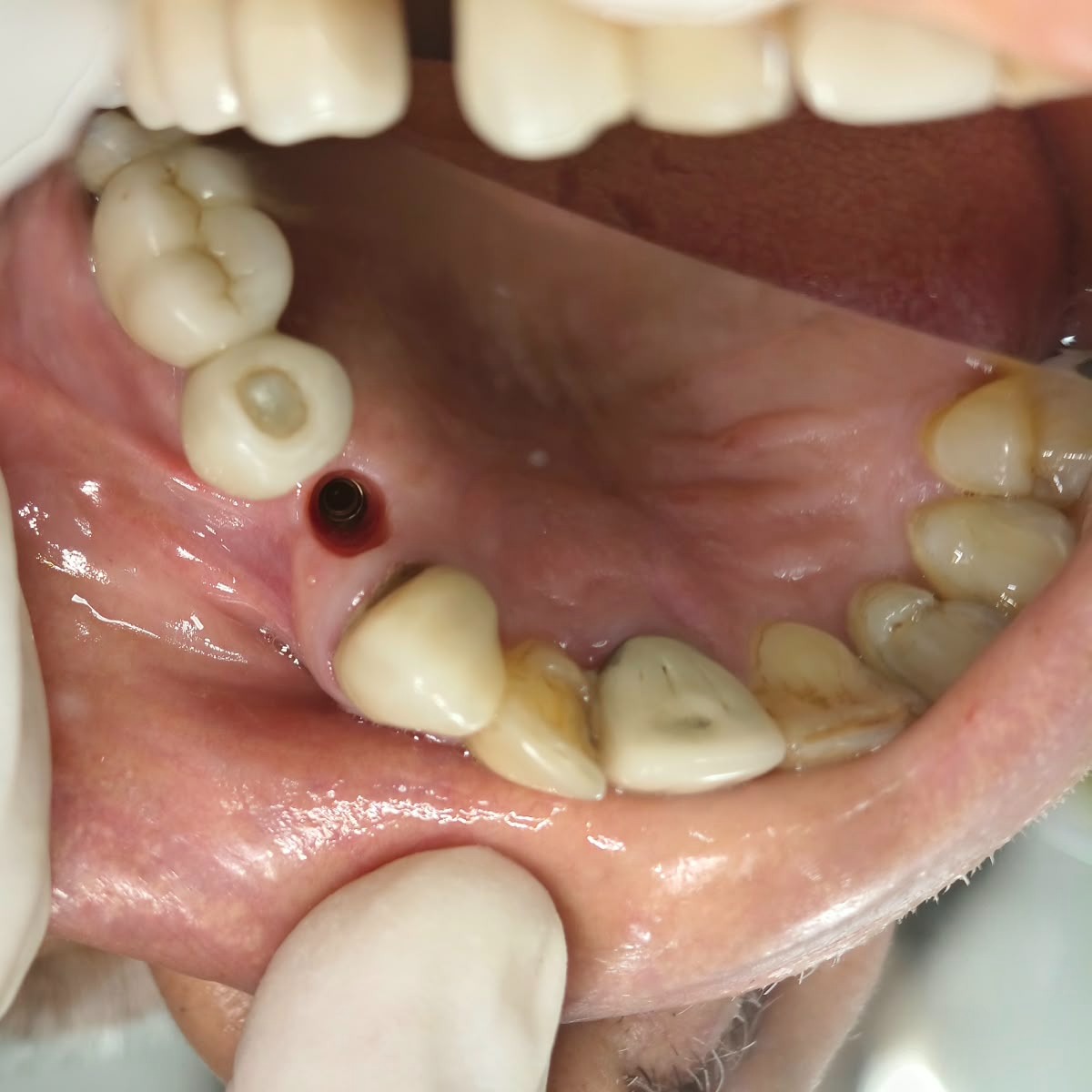
Dental implant treatment usually involves two different processes: healing of the gums after surgery and integration of the implant with the jawbone.
First 24–72 hours: Initial recovery
Swelling, mild bleeding, bruising, and discomfort may occur. These symptoms often peak during the first 2–3 days and then gradually improve.
First 1–2 weeks: Gum healing
The surgical site starts to close and the soft tissues recover. Stitches may be removed or dissolve during this period, depending on the type used.
Around 2–6 months: Bone integration
The jawbone gradually bonds with the implant surface. Your dentist assesses whether the implant is sufficiently stable for the next stage.
Final restoration: Your permanent tooth
Once healing and stability are adequate, your dentist can proceed with the final crown. This may happen earlier or later depending on the treatment plan.
These are general timeframes, not fixed deadlines. Some implants can be restored sooner, while others need a longer healing period.
2. Can You Get a Dental Implant and Tooth on the Same Day?
Yes, in selected cases.
There are three important terms to understand:
- Immediate implant placement: The implant is inserted into the jawbone on the same day the tooth is extracted.
- Immediate loading: A temporary or definitive restoration is attached soon after implant placement, according to a planned loading protocol.
- Delayed loading: The implant is allowed to heal and integrate with the bone before the tooth is attached or placed into function.
A same-day temporary tooth may be possible when factors such as implant stability, bone conditions, bite forces, and gum health are favourable.
However, getting an implant on the same day does not mean the implant has completely healed that day. Bone integration still takes time, and a temporary tooth may need to be protected from heavy biting forces.
3. What Factors Affect Dental Implant Healing Time?
Not every patient heals at the same speed. Your dentist considers several factors when deciding when to place the final crown.
Bone quality and quantity
The implant needs suitable bone support. Bone density, available bone volume, and initial implant stability can influence the healing period.
Whether a bone graft is required
If the jawbone is insufficient, bone grafting may be recommended. Some grafting procedures can be performed alongside implant placement, while others require a separate healing period before the implant is inserted.
A graft does not automatically mean a long delay; the timeline depends on the type and extent of grafting and the clinical findings.
Gum health and infection
Healthy gums and good control of periodontal disease support a favourable treatment environment. Active infection or unresolved gum disease may need treatment before or during implant planning.
Smoking and general health
Smoking can impair healing and increase the risk of implant complications. Certain medical conditions and medications may also affect recovery, so your dentist should know your complete medical history.
Implant position and bite forces
An implant in a high-load area may require a more cautious loading plan. The position of the implant, the restoration design, and the forces placed on it all influence when it is appropriate to use the new tooth.
4. When Can You Eat Normally After Dental Implant Surgery?
Your diet usually progresses as the surgical site heals, but the exact instructions depend on the procedure.
Time after surgery
General dietary guidance
First 24 hours
Cool or lukewarm, soft foods; avoid very hot foods and drinks while bleeding is a concern.
First few days
Soft foods such as curd, mashed vegetables, soft rice, or eggs if comfortable.
First 1–2 weeks
Gradually return to a wider range of foods as advised by your dentist. Avoid chewing directly on the surgical site.
During bone integration
Follow your dentist's instructions about chewing pressure, especially if you have a temporary tooth.
After final crown placement
Increase normal chewing gradually according to comfort and your dentist's guidance.
Avoid hard, crunchy, or sticky foods near the implant site during early healing. If your dentist has prescribed a soft diet for longer, follow that instruction rather than the general timeline above.
5. What Are the Signs That Your Dental Implant Is Healing Well?
Healing is assessed through a combination of symptoms, examination, and sometimes imaging.
Signs that recovery is progressing may include:
- Swelling and discomfort gradually decreasing.
- The gum tissue closing and becoming less tender.
- No persistent bleeding or discharge.
- No increasing pain or swelling.
- Stable implant findings at follow-up appointments.
It is important to remember that an implant can feel comfortable even while bone integration is still in progress. The absence of pain alone does not confirm complete osseointegration. Your dentist determines readiness for the next stage based on clinical assessment and appropriate investigations.
6. What Symptoms Should You Not Ignore?
Some discomfort is expected after implant surgery, particularly during the first few days. However, contact your dentist if you experience:
- Pain or swelling that worsens instead of improving.
- Fever, pus, or a persistent unpleasant taste.
- Bleeding that does not settle with the instructions provided.
- Increasing mobility of the implant or temporary tooth.
- Numbness that persists or develops unexpectedly.
Rapidly spreading facial or neck swelling, or difficulty breathing or swallowing, requires urgent emergency care.
7. Does a Dental Implant Heal Faster With Digital Technology?
Digital technology can help improve treatment planning, but it does not eliminate the biological healing process.
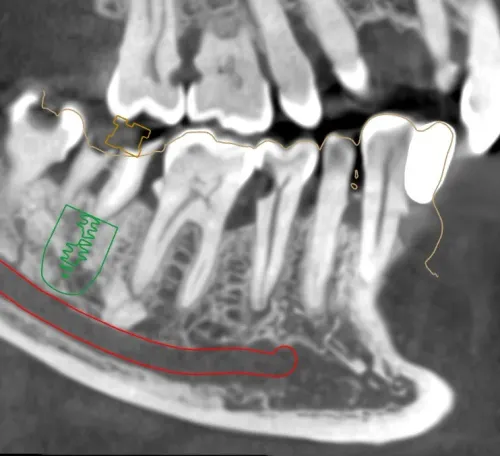
When clinically indicated, your dentist may use CBCT imaging to assess bone dimensions and important anatomical structures. Digital scans and planning software can help coordinate the implant position with the intended final crown.
These tools can support a carefully planned procedure, but they cannot guarantee faster healing or replace adequate bone integration, good oral hygiene, and follow-up care.
8. How Can You Help Your Dental Implant Heal Properly?
Follow your dentist's post-operative instructions carefully.
- Take prescribed medication exactly as directed.
- Use cold compresses if recommended during the early recovery period.
- Avoid smoking and tobacco during healing.
- Keep the surgical area clean using the brushing and rinsing instructions provided.
- Avoid disturbing the wound with your fingers or tongue.
- Follow any restrictions on chewing or loading the temporary tooth.
- Attend scheduled reviews so your dentist can assess healing before proceeding with the final crown.
Do not rush the final restoration simply because the gum looks healed. The bone beneath the gum also needs to be ready.
Frequently Asked Questions
1. How many days does a dental implant take to heal?
Initial gum healing often takes around 1–2 weeks. Bone integration typically takes several months, commonly around 2–6 months, depending on the case.
2. How long does it take to get a permanent tooth after an implant?
Many patients receive the final crown after a few months, once adequate integration and stability have been confirmed. Some selected cases can follow an earlier restoration protocol, while grafting or other complications may extend the timeline.
3. Can a dental implant fail during healing?
Yes. Although many implants heal successfully, some fail to integrate or develop complications. Smoking, uncontrolled gum disease, certain health factors, infection, and excessive loading may contribute to risk.
4. Is pain normal two weeks after dental implant surgery?
Mild tenderness can sometimes persist, but pain should generally be improving. New, severe, or worsening pain after two weeks warrants a review by your dentist.
5. Does a bone graft increase dental implant healing time?
It can. The impact depends on the grafting procedure, the amount of bone required, and whether the graft and implant are placed together or in separate stages.
6. Can I travel after dental implant surgery?
Many people can resume routine activities fairly soon, but timing depends on the complexity of surgery and your recovery. Discuss long-distance travel with your dentist, particularly if you are having extensive grafting or multiple implants.
The Bottom Line
Dental implant treatment is a process, not just a single procedure. The gums may recover within a couple of weeks, while the jawbone commonly needs several months to integrate with the implant.
The best time to place your final crown depends on your bone, gum health, implant stability, and individual treatment plan—not simply on how many days have passed.
At Procare Dental LLP, patients from Thane and Mulund West can discuss dental implant options, digital planning where appropriate, and the expected healing timeline for their individual case.
Procare Dental LLP – Thane & Mulund West, Mumbai
🌐 www.procaredental.in
📞 7071876876
Keywords