Have you ever avoided professional teeth cleaning because someone told you that scaling makes your teeth loose, weak, or creates gaps between them?
You are not alone! Many patients worry that dental scaling might damage their teeth or wear away the enamel. In reality, professional dental scaling, when performed correctly, does not damage healthy tooth enamel. It removes plaque, tartar (calculus), and bacterial deposits that can harm your gums and supporting tissues over time.
Let’s understand what scaling actually does, why your teeth might feel different after cleaning, and when you should consider getting your teeth professionally cleaned.
What Is Dental Scaling?
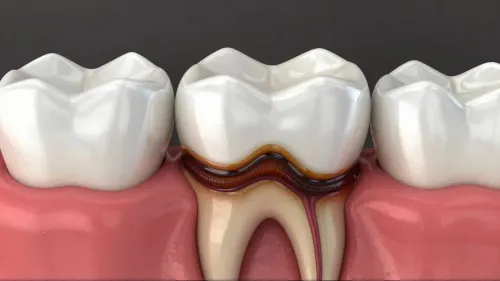
Dental scaling is a professional cleaning procedure in which a dentist removes hardened plaque, commonly called tartar or calculus, from the teeth and along the gumline.
Plaque is a sticky film of bacteria that forms on teeth every day. If it is not removed effectively by brushing and interdental cleaning, it can harden into tartar. Once tartar forms, a toothbrush cannot remove it completely.
Your dentist may use:
- Ultrasonic scalers: Devices that use vibrations and water to help loosen and remove deposits.
- Hand instruments: Specialised dental instruments used to remove deposits from tooth surfaces and around the gums.
- Deep cleaning (scaling and root planing): A more extensive procedure for patients with gum disease, involving cleaning beneath the gumline and smoothing affected root surfaces when indicated.
The type of cleaning you need depends on the amount of tartar present and the health of your gums.
5 Common Myths About Dental Scaling
Myth 1: Scaling removes the enamel from your teeth
Fact: Properly performed scaling is designed to remove plaque and tartar, not healthy enamel.
Dental instruments are used carefully to remove deposits from the tooth surface. Routine professional scaling does not normally wear away healthy enamel.
However, inappropriate instrument use or excessive force can cause damage, which is why scaling should be performed by a trained dental professional.
Myth 2: Scaling makes your teeth loose
Fact: Scaling does not usually make healthy teeth loose.
This misconception often arises because some patients notice tooth mobility after having heavy tartar removed.
Tartar can accumulate around teeth affected by advanced gum disease. It may contribute to inflammation and conceal the extent of the underlying periodontal problem. Once the deposits are removed, existing tooth mobility may become more noticeable.
If your teeth feel loose after scaling, it is important to have your gums and supporting bone assessed rather than assuming the cleaning caused the problem.
Myth 3: Scaling creates gaps between teeth
Fact: Scaling does not normally create new gaps between healthy teeth.
When tartar accumulates between teeth, it can occupy spaces that become more noticeable after the deposits are removed. If gum disease has already caused gum recession or loss of supporting bone, the spaces may become more visible after cleaning.
These spaces can also make the tongue feel as though the teeth have changed shape.
In many cases, the cleaning has simply revealed the spaces that were previously hidden by tartar.
Myth 4: Scaling makes teeth sensitive permanently
Fact: Temporary sensitivity can occur after scaling, but it generally improves.
Some patients experience sensitivity to cold water, air, or certain foods after professional cleaning. This may happen because:
- Tartar that previously covered part of the tooth has been removed.
- Exposed root surfaces are more sensitive than enamel-covered surfaces.
- Inflamed gums begin to heal, changing how the tooth surfaces feel.
- There was already gum recession or enamel wear before the procedure.
Sensitivity often settles within a few days, although it can take longer after deep cleaning or when significant root exposure is present.
If the sensitivity is severe, persists, or affects one particular tooth, consult your dentist to check for other causes.
Myth 5: If I brush well, I will never need scaling
Fact: Good oral hygiene reduces tartar formation, but it cannot remove all hardened deposits once they have formed.
Even people who brush twice daily may develop tartar in areas that are difficult to clean, such as behind the lower front teeth and around the upper back teeth.
Regular dental examinations help determine whether professional cleaning is necessary and how frequently it should be performed.
What Happens to Your Teeth Before and After Scaling?
Here is why your teeth may feel different after the procedure.
Before scaling
After scaling
Tartar may cover parts of the tooth surface.
Deposits are removed, revealing the actual tooth surface.
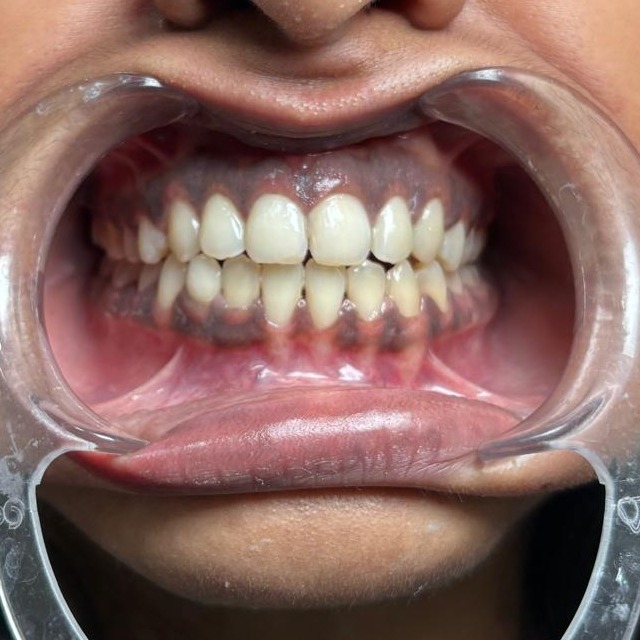
Gums may be red, swollen, or bleed easily.
Gums can gradually become healthier as inflammation reduces.
Tartar may fill spaces between teeth.
Existing spaces may become more noticeable.
Teeth may feel rough due to deposits.
Teeth often feel smoother and cleaner.
Gum disease may be hidden by heavy deposits.
The dentist can assess the teeth and gums more clearly.
The important point is that a change in how your teeth feel after scaling does not automatically mean they have been damaged.
Is Dental Scaling Safe?
Yes. Professional scaling is a routine preventive dental procedure when performed appropriately.
It helps reduce the accumulation of bacterial deposits associated with gingivitis and periodontal disease. For patients with gum disease, scaling and root planing may be an important part of treatment.
However, the procedure should be tailored to your oral health. Your dentist may first examine your gums, measure periodontal pockets, assess tooth mobility, and review any areas of sensitivity.
Scaling is not a substitute for treating all dental problems. For example, cavities, cracked teeth, and advanced periodontal disease may require additional treatment.
How Often Should You Get Scaling Done?
There is no single schedule that is ideal for everyone.
- Healthy gums with low tartar buildup: Periodic professional cleaning based on your dentist's assessment.
- Frequent tartar formation: More regular cleaning may be beneficial.
- Bleeding gums or gingivitis: Professional cleaning and improved home care may be recommended.
- Periodontitis or a history of gum disease: You may need periodontal maintenance visits at intervals determined by your dentist, sometimes every three to four months.
Your dentist can recommend an appropriate interval based on your gum health, oral hygiene, risk factors, and history of periodontal disease.
What Should You Do After Scaling?
To maintain the benefits of professional cleaning:
- Brush twice daily with a soft-bristled toothbrush and fluoride toothpaste.
- Clean between your teeth daily using floss or suitable interdental brushes.
- Use a sensitivity toothpaste if your teeth feel sensitive, following your dentist's advice.
- Avoid aggressive brushing, which can contribute to gum recession and tooth-surface wear.
- Attend follow-up appointments if you have bleeding gums, persistent sensitivity, or a history of gum disease.
- Do not try to scrape tartar off yourself using sharp instruments, as this can injure your gums or damage tooth surfaces.
When Should You Consult a Dentist?
Mild sensitivity or slight gum tenderness can occur after cleaning, particularly when there was significant tartar buildup.
However, seek a dental assessment if you experience:
- Persistent or worsening tooth sensitivity.
- New or increasing tooth mobility.
- Significant gum swelling, pain, or bleeding.
- Pain when biting or chewing.
- Pus, a bad taste, or other signs of possible infection.
These symptoms may indicate an underlying dental or gum condition that needs attention.
Frequently Asked Questions
1. Does scaling weaken teeth?
No. Proper professional scaling does not normally weaken healthy teeth. It removes tartar and plaque, helping maintain gum health.
2. Does scaling damage tooth enamel?
Routine scaling is designed to remove deposits without removing healthy enamel. The technique and instruments should be appropriate for the patient's needs.
3. Why do my teeth look longer after scaling?
If your gums were swollen or tartar was covering parts of your teeth, cleaning may reveal more of the natural tooth surface. Gum recession caused by pre-existing gum disease may also become more apparent.
4. Can scaling stop bleeding gums?
Scaling can help reduce plaque and tartar that contribute to gum inflammation. Daily oral hygiene is also essential. Persistent bleeding may require further periodontal assessment and treatment.
5. Is scaling painful?
Routine scaling is often well tolerated. You may experience mild discomfort if your gums are inflamed or your teeth are sensitive. Deep cleaning may require local anaesthesia, depending on the extent of treatment and your comfort.
6. Can I eat immediately after scaling?
Usually, yes, if no additional treatment or anaesthesia-related precautions apply. If your teeth are sensitive, choose comfortable, non-extreme-temperature foods temporarily. Follow your dentist's instructions if fluoride treatment or another procedure was performed.
The Bottom Line
Dental scaling does not normally damage your teeth when performed correctly. It removes hardened deposits that brushing cannot eliminate and helps manage the causes of gum inflammation.
If your teeth seem loose, gaps appear more visible, or sensitivity develops after cleaning, these changes may reflect pre-existing tartar buildup, gum recession, or another dental condition rather than damage caused by scaling.
The best approach is to have your teeth and gums examined and receive professional cleaning at an interval suited to your oral health.
At Procare Dental LLP, patients from Thane and Mulund West can receive an assessment of their gum health and personalised advice on professional cleaning and preventive care.
Procare Dental LLP – Thane & Mulund West, Mumbai
🌐 www.procaredental.in
📞 7071876876
Keywords