Imagine you visit two dental clinics for the same dental problem.
One gives you a treatment estimate of ₹25,000. The other quotes ₹40,000.
Naturally, you wonder: Why is there such a difference? Am I paying more than I should? Or is the cheaper option missing something important?
This is a common dilemma for patients considering dental implants, crowns, root canal treatment or a complete smile makeover.
The truth is that two dental treatment plans can have different prices because they may not include the same procedures, materials, diagnostic tests or long-term considerations.
Instead of choosing only by price, compare what each plan offers, why it has been recommended and how well it addresses your dental needs.
1. Compare the Diagnosis First
Before comparing costs, check whether both dentists have identified the same underlying problem.
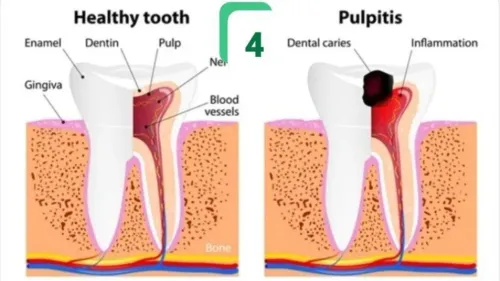
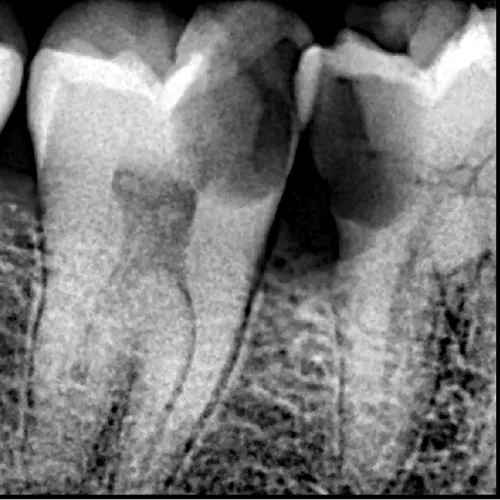
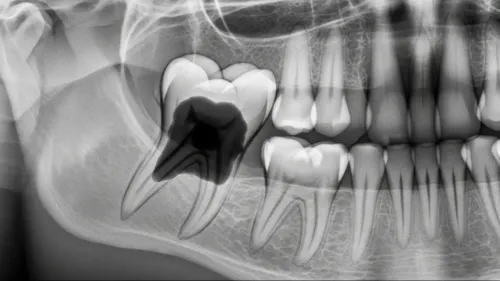
For example, a tooth with deep decay may sometimes be treated with a filling, while a tooth with extensive damage to the pulp may require root canal treatment and a protective crown.
If the diagnoses differ, the proposed treatments may differ too.
Ask both dentists:
- What exactly is wrong with my tooth?
- What examination or investigation supports this diagnosis?
- Are there alternative treatment options?
- What could happen if I delay treatment?
A fair comparison starts with understanding the problem—not the final bill.
2. Check Exactly What Is Included in the Price
A treatment estimate may cover more or fewer procedures than another estimate.
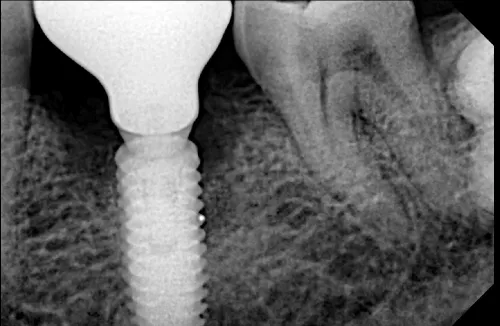
For example, two dental implant quotes might differ because one includes the implant and crown, while the other lists them separately.
Use this checklist when comparing your plans.
Treatment estimate checklist
0 of 7
Consultation and diagnostic investigations
Required extractions or preliminary treatment
Implant, abutment and final crown, if applicable
Bone grafting or other additional procedures, if indicated
Temporary teeth or provisional restorations, if needed
Follow-up appointments and post-treatment checks
Maintenance requirements and any applicable warranty terms
Reset checklist
Not every treatment requires every item on this list. The purpose is to confirm which items apply to your case and which are already included in the quoted price.
3. Understand the Materials Being Used
Materials can influence cost, but the most expensive option is not automatically the best option for every patient.
Depending on the treatment, you may need to compare:
- Dental crowns: zirconia, porcelain-fused-to-metal or other suitable ceramic materials.
- Dental implants: the implant system, its components, clinical evidence and availability of compatible parts.
- Fillings: the restorative material and the size and location of the cavity.
- Dentures and bridges: the design, materials, support and maintenance requirements.
Ask your dentist why a particular material is recommended for your tooth, bite and clinical situation.
The goal is to choose an appropriate solution—not simply the cheapest or the most expensive material.
4. Compare the Treatment Approach, Not Just the Procedure Name
Two plans may use the same treatment name but differ in how the treatment is planned and delivered.
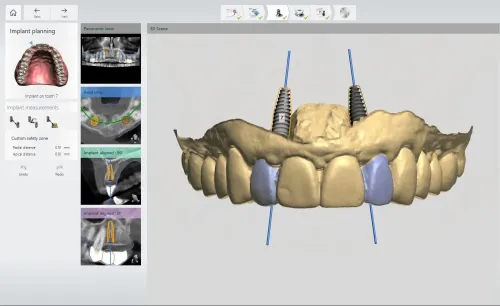
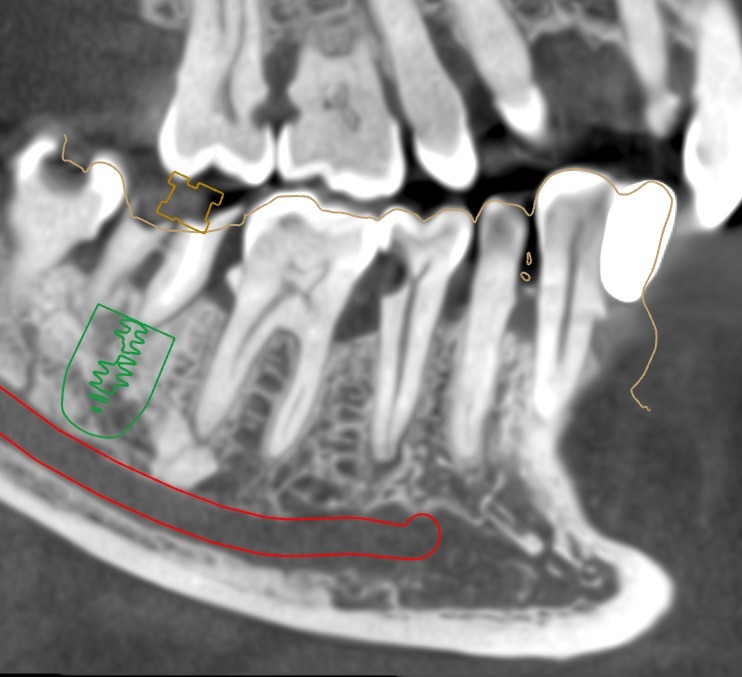
For dental implants, for instance, one plan may include CBCT-based planning and a surgical guide when indicated, while another may use a different appropriate planning approach.
For a damaged tooth, one dentist may recommend a crown while another may recommend a more conservative restoration, depending on the remaining tooth structure and other clinical findings.
Neither approach should be judged by its name alone.
Ask:
- Why is this approach suitable for my case?
- What are the benefits and limitations?
- Are there reasonable alternatives?
- What are the risks if I choose a different option?
Technology is valuable when it helps answer a clinical question or improves treatment planning—not simply because it is available.
5. Consider the Experience and Expertise Required
Different dental procedures require different skills.
For example, a complex implant rehabilitation, an aesthetic front-tooth restoration and a routine filling involve different clinical challenges.
When evaluating a dentist, consider:
- Qualifications relevant to the proposed procedure
- Experience with similar cases
- How clearly the diagnosis and options are explained
- Whether the dentist discusses risks and limitations
- How complications and follow-up care are handled
You can also ask to see relevant clinical examples, while remembering that another patient's outcome cannot guarantee yours.
6. Ask About Expected Longevity and Maintenance
A dental treatment is not always a one-time expense.
Crowns may need replacement. Dental implants require ongoing maintenance. Root canal-treated teeth may need protective restorations depending on the remaining tooth structure.
Rather than asking only, “How long will this last?”, ask:
- What factors could affect the lifespan of this treatment?
- What maintenance will I need?
- What could cause the treatment to fail?
- What would happen if a repair or replacement becomes necessary?
- What costs might arise later?
No dentist can guarantee an exact lifespan for every restoration. However, a clear discussion of maintenance and possible future costs can help you make a better-informed decision.
7. Understand the Risks of Each Option
A good treatment plan should explain not only what may work, but also what could go wrong.
For example:
- Delaying treatment may allow some cavities to progress.
- A tooth with a deep crack may have a limited prognosis.
- Dental implants can develop biological or mechanical complications.
- Some conservative treatments may need further treatment if the tooth deteriorates.
Ask your dentist to explain the likely benefits, limitations, risks and consequences of postponing treatment in language you understand.
A plan that acknowledges uncertainty is often more useful than one that promises a perfect result.
A Simple Example: Comparing Two Dental Implant Quotes
Imagine you receive the following hypothetical estimates for replacing one missing tooth.
What to compare
Plan A
Plan B
Quoted price
₹30,000
₹42,000
Implant and crown
Clarify inclusion
Clarify inclusion
Diagnostic planning
Clarify what is included
Clarify what is included
Additional procedures
Confirm whether needed and priced separately
Confirm whether needed and priced separately
Follow-up care
Confirm details
Confirm details
Rationale for treatment
Ask the dentist
Ask the dentist
These figures are illustrative, not current market quotations or an assessment of either plan.
The ₹30,000 plan may be the better-value choice if it includes everything required and is clinically appropriate. The ₹42,000 plan may be justified if it includes additional components or procedures that your case genuinely needs.
You cannot determine which is better until you understand what each plan includes and why.
8. Get a Second Opinion When You Need One
Seeking a second opinion is reasonable when:
- Two dentists recommend substantially different treatments.
- You are unsure whether a tooth can be saved.
- A major procedure has been recommended.
- The estimate is difficult to understand.
- You feel pressured to make an immediate decision without a clear explanation.
Bring your existing treatment plan and relevant X-rays or scan reports, if available. This can help the second dentist understand the case.
A second opinion should help you make an informed decision—not simply confirm the cheaper estimate.
Questions to Ask Before You Decide
Keep these five questions handy during your next consultation:
- What is the exact diagnosis?
- What does the quoted price include, and what is extra?
- Why is this treatment recommended over the alternatives?
- What are the risks, maintenance needs and possible future costs?
- What happens if I delay treatment or choose another option?
The Bottom Line
The cheapest dental treatment is not always the best value, and the most expensive treatment is not automatically the best treatment.
A good decision balances clinical suitability, materials, the dentist's expertise, transparency of pricing, expected maintenance and your individual needs.
Take time to understand both plans. Ask questions, compare like for like and choose the treatment you understand and feel comfortable proceeding with.
At Procare Dental LLP – Thane & Mulund West, Mumbai, patients can discuss their diagnosis, available treatment options, procedures involved and associated costs before making a decision.
🌐 www.procaredental.in 📞 7071876876
Keywords