Have you ever taken a sip of cold water or enjoyed an ice cream, only to feel a sudden, sharp pain in one of your teeth?
Perhaps the pain lasts just a second and disappears. Or maybe it lingers long after you finish drinking.
Tooth pain triggered by cold drinks is often a sign of tooth sensitivity, but it can sometimes indicate a cavity, a crack or inflammation of the tooth's nerve. The duration and intensity of the pain can provide useful clues about what might be happening.
1. Tooth Sensitivity
One of the most common causes is dentin hypersensitivity.
Your teeth have a hard outer layer called enamel. Underneath it is dentin, which contains microscopic channels that communicate with the nerve-containing part of the tooth.
When dentin becomes exposed, cold drinks can trigger a sudden, sharp sensation.
You may experience sensitivity when:
- Drinking cold water or chilled beverages
- Eating ice cream
- Breathing in cold air
- Brushing your teeth
The pain usually disappears quickly once the cold stimulus is removed.
What can cause this sensitivity?
- Enamel wear
- Gum recession exposing the tooth roots
- Brushing too hard
- Acid erosion from acidic foods and drinks
- Recent dental cleaning or whitening
2. You May Have a Cavity
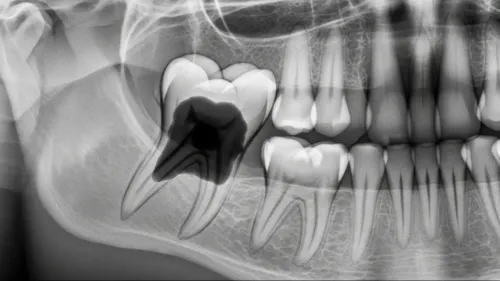
Sometimes cold sensitivity is the first sign of tooth decay.
As a cavity progresses through the enamel and dentin, cold drinks may stimulate the sensitive inner part of the tooth.
You might notice:
- Sensitivity in one particular tooth
- Pain when eating sweets
- Food getting stuck in the same area
- Discomfort that gradually becomes more frequent
A cavity does not always cause visible black or brown spots, and early decay may not cause any pain at all.
If one tooth repeatedly hurts when you drink cold water, it is worth getting it examined.
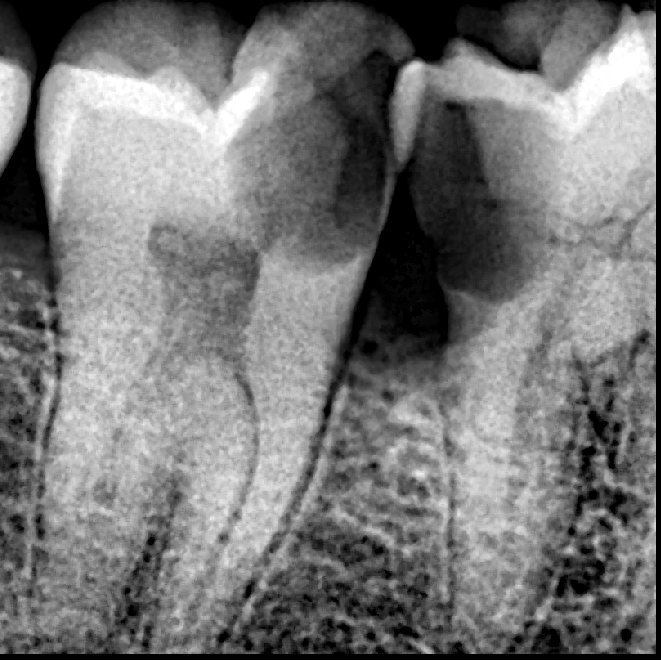
3. The Nerve Inside Your Tooth May Be Inflamed
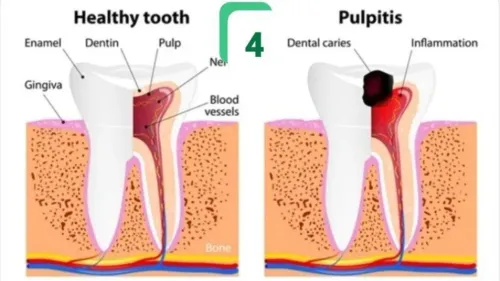
The inner part of your tooth contains a soft tissue called the pulp, which includes nerves and blood vessels.
Deep decay, a crack, trauma or a leaking restoration can irritate this tissue.
In some cases, the pain from cold drinks continues even after the drink is gone. You may also experience spontaneous pain, night-time toothache or sensitivity to heat.
This may indicate pulp inflammation, which requires professional assessment.
A useful clue: pain that lingers after the cold stimulus is removed is more concerning than a brief, sharp sensation. However, the duration of pain alone cannot establish the diagnosis.
4. A Cracked Tooth Could Be the Cause
Small cracks in teeth can sometimes cause sensitivity to cold, particularly when biting or chewing.
You may notice:
- Sudden pain when drinking cold beverages
- Discomfort when biting down
- Pain when releasing your bite
- Symptoms that come and go
Cracks may be difficult to see with the naked eye. A dentist may need to perform specific clinical tests and assess the tooth's existing fillings or crowns.
5. Your Gums May Have Receded
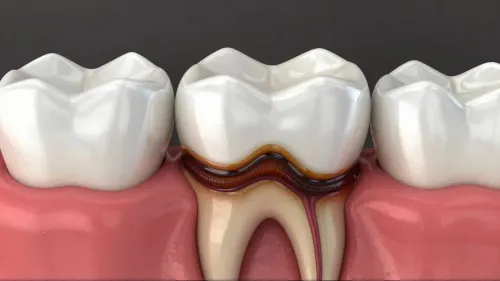
When gums recede, part of the root surface can become exposed.
Unlike the crown of your tooth, the root does not have a protective enamel covering. This makes it more susceptible to sensitivity from cold drinks and brushing.
Gum recession can be associated with gum disease, aggressive brushing, tooth position and other factors.
Treatment depends on the cause and may involve desensitising products, changes to brushing technique or periodontal treatment.
6. Sensitivity After Teeth Whitening or Dental Cleaning
Have you recently undergone teeth whitening or professional dental cleaning?
Some people experience temporary sensitivity after these procedures.
If the sensitivity is mild and settles quickly, it may improve over the following days. However, severe, worsening or persistent pain should not automatically be attributed to the procedure.
How Can You Tell What Might Be Causing It?
What you notice
Possible explanation
Brief pain that stops quickly
Dentin sensitivity
One tooth hurts with cold and sweets
Possible cavity
Pain lingers after cold drinks
Possible pulp inflammation
Cold sensitivity with pain on biting
Possible crack or other tooth damage
Sensitivity near receding gums
Exposed root surface
Sensitivity after whitening
Temporary post-treatment sensitivity
These are clues, not definitive diagnoses. Different dental problems can produce similar symptoms.
What Can You Do at Home?
While arranging a dental check-up, you can try the following:
- Use a desensitising toothpaste: Choose one formulated for sensitive teeth and use it regularly as directed.
- Brush gently: Use a soft-bristled toothbrush and avoid aggressive scrubbing.
- Avoid very cold or acidic drinks temporarily: This may reduce discomfort while you identify the cause.
- Do not ignore pain in a single tooth: Repeated sensitivity in one location deserves attention.
Avoid applying aspirin, concentrated clove oil or other irritating substances directly to the tooth or gums.
When Should You Visit a Dentist?
Book a dental appointment if the sensitivity keeps recurring, affects one particular tooth, is getting worse or interferes with eating and drinking.
Seek prompt dental care if you develop persistent or spontaneous pain, significant pain on biting, or swelling. Facial swelling with fever, difficulty swallowing or difficulty breathing requires urgent medical attention.
Does Cold Sensitivity Always Mean You Need a Root Canal?
No. Many cases of sensitivity can be managed without a root canal.
Depending on the diagnosis, treatment may include:
- Desensitising toothpaste or an in-office desensitising treatment
- Fluoride treatment
- A filling for tooth decay
- Treatment of a cracked tooth
- Gum treatment
- Root canal treatment when the pulp is irreversibly damaged or infected and the tooth can be saved
The right treatment depends on the cause, not simply on whether cold water hurts.
The Bottom Line
That sudden zing when you drink cold water may be ordinary tooth sensitivity—but it can also be your tooth's way of signalling a deeper problem.
Pay attention to which tooth hurts, how long the pain lasts and whether it also hurts when you bite. These details can help your dentist narrow down the cause.
At Procare Dental LLP, Thane and Mulund West, Mumbai, a clinical examination and appropriate diagnostic tests can help identify the cause of tooth sensitivity and determine the most suitable treatment.
🌐 www.procaredental.in 📞 7071876876
Keywords