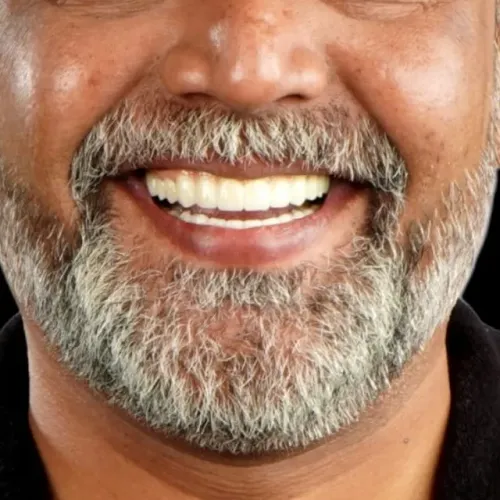
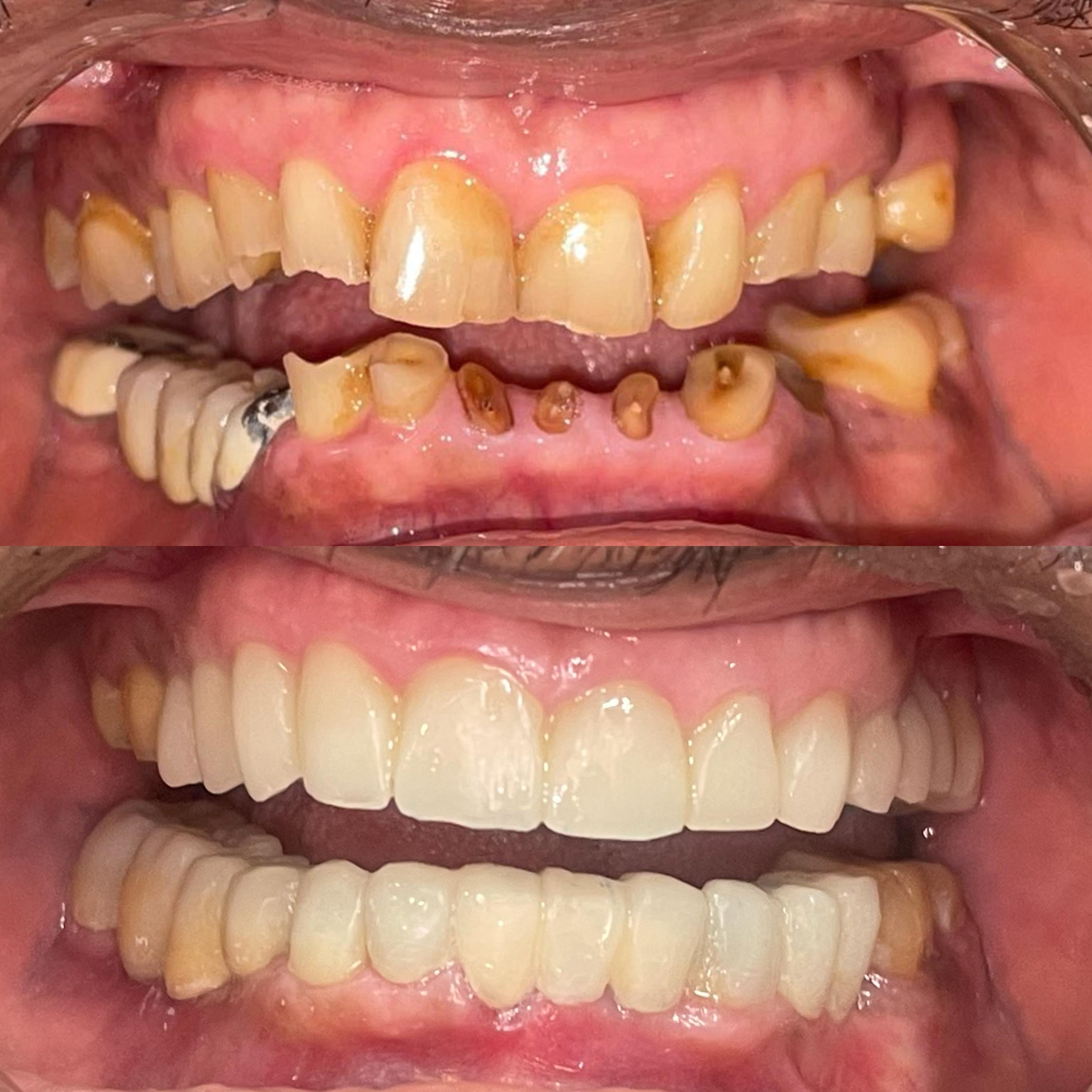
Do you have multiple missing teeth, worn-down teeth, broken crowns, difficulty chewing, or an uncomfortable bite? Have you been told that you need several dental treatments but are unsure how they fit together?
You may benefit from a treatment approach called Full Mouth Rehabilitation (FMR).
Full Mouth Rehabilitation is not simply about replacing missing teeth or improving the appearance of your smile. It is a comprehensive dental treatment that aims to restore the health, function, comfort and aesthetics of your entire mouth.
It may involve a combination of dental implants, crowns, bridges, root canal treatments, gum therapy, bite correction and cosmetic dentistry, depending on your individual needs.
At Procare Dental LLP, Thane and Mulund West, Mumbai, we believe that a successful full mouth rehabilitation begins with understanding the complete picture—not treating each tooth in isolation.
1. What Exactly Is Full Mouth Rehabilitation?
Full Mouth Rehabilitation is a planned combination of dental procedures designed to restore most or all of the teeth in the upper and lower jaws.
It focuses on three important aspects:
- Function: Restoring the ability to chew comfortably and speak properly.
- Health: Treating decay, gum disease, infections, damaged teeth and other oral health problems.
- Aesthetics: Improving the appearance of teeth, smile proportions and facial harmony.
Unlike a routine dental treatment that addresses one tooth at a time, full mouth rehabilitation considers how all the teeth, gums, jaw joints and bite work together.
The objective is to create a healthy, comfortable and maintainable result that suits the patient's individual needs.
2. Who Needs Full Mouth Rehabilitation?
Full Mouth Rehabilitation may be recommended for patients with multiple dental problems that affect the overall function and appearance of their mouth.
Some common situations include:
1. Severely worn-down teeth
Teeth may become worn due to grinding, acid erosion, or long-term bite problems. This can affect chewing efficiency, tooth structure and facial appearance.
2. Multiple missing teeth
Missing teeth can affect chewing, speech, neighbouring teeth and the stability of the bite. Implants, bridges or dentures may be considered.
3. Severely damaged or decayed teeth
Extensive decay, fractures and failing restorations may require a combination of root canal treatment, crowns, bridges or extractions.
4. Reduced bite height
Severe tooth wear or loss of posterior support can contribute to changes in the bite. Selected patients may need carefully planned restoration of their occlusion.
5. Multiple failing crowns and bridges
Old or damaged dental work may need replacement when there are problems with fit, decay, gum health, fracture or bite.
6. Major aesthetic and functional concerns
Some patients have several concerns together, such as uneven teeth, poor appearance, damaged restorations and difficulty chewing.
Not everyone with missing or damaged teeth needs full mouth rehabilitation. The treatment should be recommended only when a comprehensive approach is clinically justified.
3. What Treatments Are Included in Full Mouth Rehabilitation?
There is no fixed combination of procedures. Your treatment plan depends on the condition of your teeth, gums, jawbone, bite and overall oral health.
Here are some treatments that may be included.
A. Dental Implants
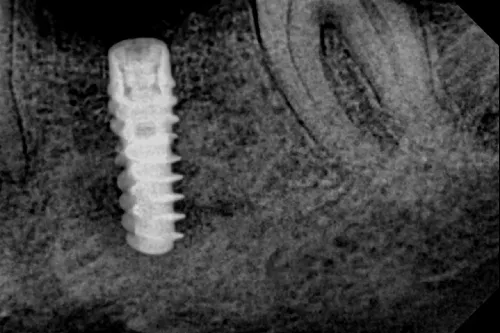
Dental implants can replace missing teeth by providing artificial roots that support crowns, bridges or full-arch restorations.
They may be considered for:
- Replacing a single missing tooth.
- Replacing multiple missing teeth.
- Supporting full-arch fixed teeth.
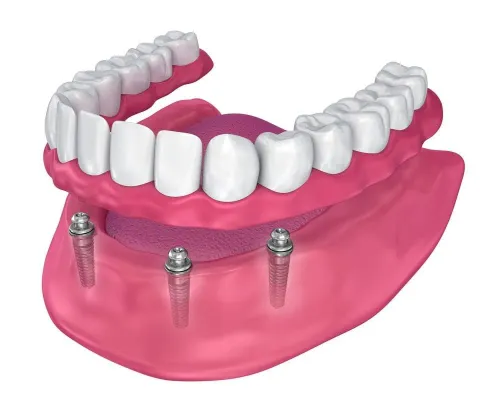
- Supporting removable implant overdentures.
B. Dental Crowns and Bridges
Crowns may restore teeth that are significantly damaged or weakened. Bridges can replace missing teeth by using neighbouring teeth or implants for support, depending on the treatment design.
Materials may include zirconia, ceramic and other clinically appropriate restorative materials.
C. Root Canal Treatment
Teeth with infected or irreversibly inflamed pulp may require root canal treatment before being restored.
The objective is to preserve teeth that can be predictably treated and restored.
D. Gum Treatment
Healthy gums and supporting bone are essential for long-term dental stability.
Treatment may include:
- Professional scaling and root planing.
- Periodontal treatment.
- Management of gum inflammation.
- Periodontal maintenance.
E. Bite Correction and Occlusal Rehabilitation
The way your upper and lower teeth meet is an important part of full mouth rehabilitation.
Depending on the case, treatment may involve:
- Restoring lost tooth structure.
- Correcting uneven contacts.
- Managing excessive tooth wear.
- Re-establishing an appropriate bite relationship.
- Night guards for patients with relevant grinding or clenching habits.
F. Cosmetic and Smile Enhancement Procedures
When aesthetics are part of the treatment goals, procedures such as veneers, tooth-coloured restorations, teeth whitening or gum contouring may be considered.
The emphasis should be on achieving a natural appearance while preserving as much healthy tooth structure as possible.
4. How Is Full Mouth Rehabilitation Planned?
A successful outcome depends heavily on diagnosis and planning before treatment begins.
At Procare Dental LLP, the treatment approach can incorporate conventional examination and digital workflows according to the patient's requirements.
Step 1: Comprehensive clinical examination
The dentist evaluates teeth, gums, existing restorations, bite, jaw movements and overall oral health.
Step 2: Diagnostic imaging
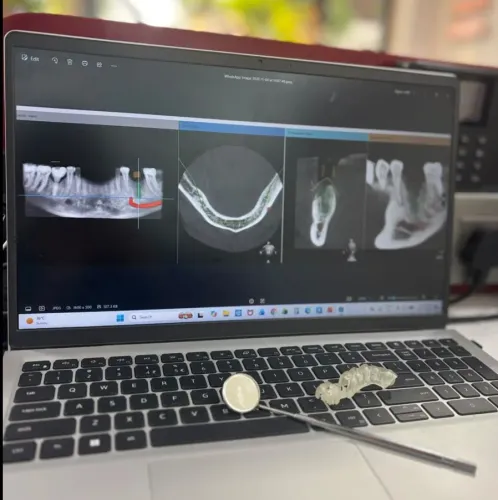
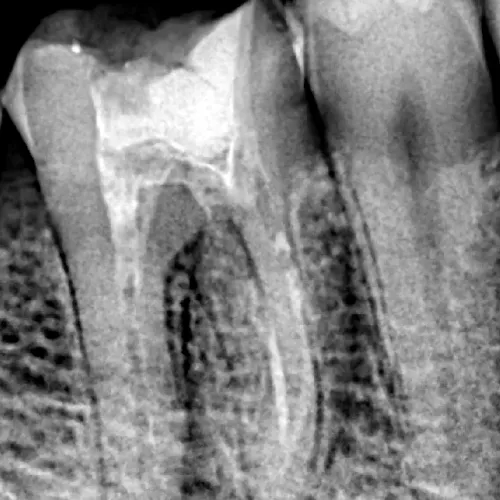
Digital X-rays, photographs, intraoral scans and CBCT imaging may be used when indicated to understand the condition of the teeth and supporting structures.
Step 3: Digital planning and smile analysis
Digital smile analysis and restorative planning may help evaluate tooth proportions, aesthetics, implant positions and the proposed final restoration.
Step 4: Diagnostic wax-up or trial restoration
In suitable cases, a wax-up or provisional restoration helps evaluate the proposed tooth shape, bite and appearance before definitive treatment.
Step 5: Treatment in planned stages
The dentist may first manage infections and gum disease, followed by implant surgery, restorative treatment and provisional teeth as required.
Step 6: Final restorations and maintenance
Once the bite, function and healing have been evaluated, the definitive restorations are completed. Regular maintenance is essential.
5. Why Are Temporary Teeth Important in Full Mouth Rehabilitation?
One of the most important stages in complex rehabilitation is the use of provisional or temporary restorations.
Temporary teeth are not simply placeholders. They can help evaluate the proposed treatment before the final crowns or bridges are made.
They allow the dentist and patient to assess:
- Tooth length and shape.
- Smile appearance.
- Speech and pronunciation.
- Chewing comfort.
- Bite contacts and jaw comfort.
- Patient adaptation to the proposed changes.
If adjustments are needed, they can often be made at this stage before the final restorations are fabricated.
This is particularly valuable in patients with severely worn teeth or a significantly altered bite.
6. How Long Does Full Mouth Rehabilitation Take?
The duration varies depending on the number of teeth involved, the need for implants, bone grafting, gum treatment and the complexity of the bite correction.
Treatment complexity
General planning consideration
Multiple crowns and bridges without surgery
May take several weeks
Full mouth rehabilitation with gum treatment
May take several weeks to months
Rehabilitation involving dental implants
Often several months
Complex cases involving bone grafting and implants
May require staged treatment over a longer period
For implant cases, the healing and integration period must be considered before final restorations are completed.
Some patients may receive temporary teeth during this period, depending on the clinical situation.
A good treatment plan should prioritise predictable healing and function rather than rushing to complete every procedure.
7. Full Mouth Rehabilitation vs Full Mouth Dental Implants: Are They the Same?
These terms are often confused, but they do not mean the same thing.
Feature
Full Mouth Rehabilitation
Full Mouth Dental Implants
Main objective
Restore overall oral health, function and aesthetics
Replace missing teeth using implant-supported restorations
Natural teeth
Preserved wherever clinically possible
May involve replacing an entire arch of missing teeth
Treatments
Crowns, bridges, implants, root canals, gum treatment and bite correction
Implants, abutments and implant-supported crowns or bridges
Suitable for
Patients with multiple complex dental problems
Patients who have lost most or all teeth in an arch
Treatment approach
Often a combination of different dental procedures
Primarily implant-based tooth replacement
A patient undergoing full mouth rehabilitation may need only a few implants while retaining and restoring many natural teeth.
Preserving healthy, restorable natural teeth is an important consideration. Removing teeth simply to replace them with implants is not automatically a better treatment approach.
8. Is Full Mouth Rehabilitation Painful?
The experience depends on the procedures involved.
- Crowns and bridges are usually completed under local anaesthesia where needed.
- Root canal treatment is performed with local anaesthesia.
- Implant surgery may cause temporary swelling and discomfort.
- Gum surgery and bone grafting may require additional recovery time.
Your dentist will explain the expected recovery and pain-management plan for each stage.
Treatment is generally divided into manageable appointments rather than performing every procedure at once.
9. What Is the Cost of Full Mouth Rehabilitation in Thane or Mumbai?
There is no single fixed price for full mouth rehabilitation because every patient's dental condition is different.
The overall cost depends on:
- Number of teeth requiring treatment.
- Number of dental implants needed.
- Type and quality of crowns or bridges.
- Need for bone grafting or sinus augmentation.
- Gum treatment and root canal requirements.
- Choice of materials, such as zirconia or ceramic.
- Complexity of bite correction and provisional restorations.
- Laboratory and digital planning requirements.
Before starting treatment, request a written plan that explains each procedure, material, stage, expected timeline and associated cost.
It is also reasonable to ask which teeth can be preserved, which require replacement and whether alternative treatment options are available.
10. How Can You Maintain the Results of Full Mouth Rehabilitation?
Completing treatment is only one part of the journey. Long-term maintenance is equally important.
- Brush twice daily with fluoride toothpaste.
- Clean between teeth using appropriate interdental brushes or floss.
- Follow specific cleaning instructions for implant-supported bridges.
- Wear a night guard if prescribed for grinding or clenching.
- Avoid using your teeth to open packages or bite very hard objects.
- Attend regular dental check-ups and professional cleaning.
- Get any loose crown, chipped restoration or change in bite assessed promptly.
Implants, crowns and bridges require maintenance just like natural teeth. Regular follow-up helps identify problems early.
11. Frequently Asked Questions
Is full mouth rehabilitation suitable for older patients?
Age alone does not determine suitability. Overall health, bone condition, gum health, medical history and ability to maintain the restorations are more important considerations.
Can I get full mouth rehabilitation if I have lost most of my teeth?
Yes, depending on your clinical condition. Options may include implant-supported bridges, implant overdentures, conventional dentures or a combination of treatments.
Can full mouth rehabilitation improve my facial appearance?
In selected cases, restoring worn or missing teeth and appropriate bite support may improve lip support and smile proportions. However, facial changes vary, and specific aesthetic outcomes cannot be guaranteed.
Will I need to remove all my existing teeth?
No. Teeth that are healthy or can be predictably restored should generally be considered for preservation. Extractions are recommended only when clinically justified.
Is full mouth rehabilitation permanent?
No dental restoration lasts forever without maintenance. Crowns, bridges, implant components and prostheses may require repairs or replacement over time. Long-term results depend on oral hygiene, bite forces, health and regular follow-up.
Can full mouth rehabilitation be completed in one visit?
Usually not. Complex rehabilitation involves multiple stages, and procedures such as gum treatment, implant placement and healing may need to be completed over several appointments or months.
The Bottom Line: Rebuilding More Than Just a Smile
Full Mouth Rehabilitation is about restoring the complete oral environment—not simply giving you a new set of teeth.
It combines careful diagnosis, preservation of natural teeth wherever possible, implant treatment when needed, appropriate restorative materials, bite planning and long-term maintenance.
Whether you have severely worn teeth, multiple missing teeth, failing dental work or difficulty chewing, a comprehensive evaluation can help identify the most appropriate treatment options.
At Procare Dental LLP, we focus on combining prosthodontic expertise, implant dentistry and digital workflows to plan comprehensive dental rehabilitation according to each patient's needs.
If you are considering full mouth rehabilitation in Thane or Mulund West, Mumbai, schedule a consultation to understand your options and receive a personalised treatment plan.
Procare Dental LLP – Thane & Mulund West, Mumbai
🌐 www.procaredental.in
📞 7071876876
Keywords