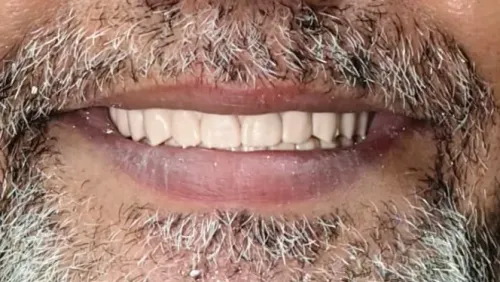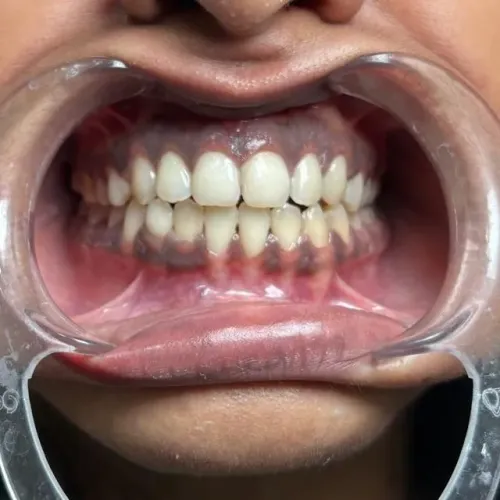
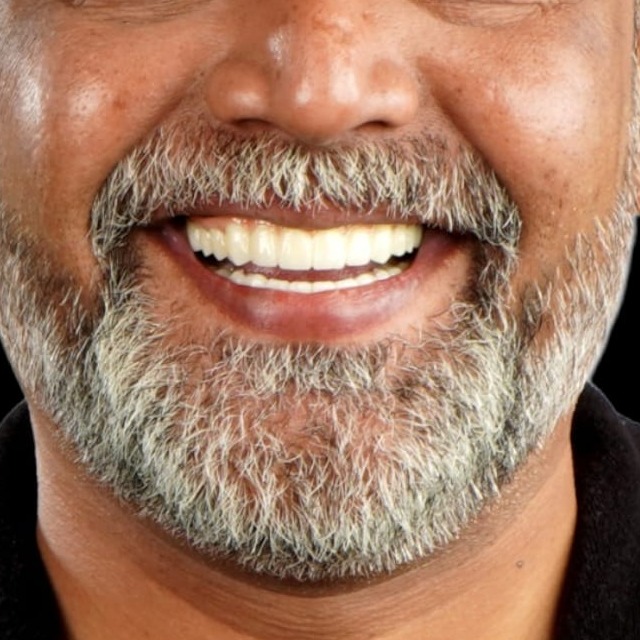
Have you ever seen someone get a complete smile makeover, only to feel that their new teeth look too white, too large, or almost like identical blocks?
A smile makeover should enhance your appearance without making your teeth look artificial. The goal is not simply to create perfectly white teeth — it is to create a smile that suits your face, lips, personality, and natural features.
At Procare Dental LLP, smile makeover planning focuses on more than the colour of your teeth. Tooth proportions, gum contours, facial harmony, bite, and the choice of restorative material all influence the final result.
Let's understand why some smile makeovers look unnatural and how careful planning can help achieve a more natural-looking smile.
1. Teeth That Are Too White
One of the most common reasons a smile makeover looks artificial is choosing a shade that is excessively bright or opaque for the person's natural features.
Many patients ask for the whitest possible teeth, but the brightest shade is not always the most flattering.
Natural teeth have subtle colour variations. They may appear slightly warmer near the gumline and more translucent towards the edges. When every tooth is uniformly bright white, these natural details can disappear.
How to achieve a more natural look:
- Select a shade that complements your skin tone and facial features.
- Consider the colour of the whites of your eyes and your overall appearance, rather than using these as rigid rules.
- Preserve subtle translucency and natural-looking colour variation where appropriate.
- View the proposed shade under suitable lighting before finalising treatment.
The right shade is a personal decision. A natural-looking smile does not necessarily have to be yellowish or dull; it simply needs to look harmonious.
2. Teeth That Are Too Big or Bulky
Teeth that are excessively long, wide, or thick can make a smile appear artificial even when the colour is beautiful.
This may happen when veneers or crowns are designed without enough attention to the original tooth dimensions, gumline, lip position, and facial proportions.
For example, if the upper front teeth are made too long, they may dominate the smile. If the restorations are too thick, the teeth can appear to protrude forward.
What helps?
- Assess tooth width-to-length proportions.
- Evaluate how much tooth is visible when speaking and smiling.
- Consider the position of the lips and the relationship between the teeth and gums.
- Check how the proposed restorations will look from the front and side.
The goal is not to make every tooth the same size. Natural smiles contain subtle differences between central incisors, lateral incisors, and canines.
3. Every Tooth Looks Exactly the Same
Natural teeth are not identical rectangles. Their shapes, contours, surface texture, and light-reflecting properties vary.
When all the teeth look perfectly uniform, with identical edges and no variation in contour, the result can resemble a row of artificial teeth.
A natural-looking smile makeover considers:
- Tooth shape: Rounded, square, or tapered features may suit different people.
- Incisal edges: Small differences in the edges of the front teeth can contribute to a natural appearance.
- Surface texture: Natural teeth have subtle surface characteristics that affect how light reflects.
- Translucency: The edges of natural teeth may allow some light to pass through.
- Individual character: Appropriate variation can help avoid a flat, uniform appearance.
These details should be carefully designed rather than added randomly. The final result should look cohesive while retaining realistic characteristics.
4. The Gumline Does Not Look Natural
A beautiful smile depends on more than the teeth themselves. The gums frame each tooth and influence how long, wide, and symmetrical the teeth appear.
If the gumline is uneven, inflamed, or positioned differently around neighbouring teeth, the smile may look unbalanced.
In some cases, patients may benefit from periodontal treatment or carefully planned gum contouring. However, gum surgery is not necessary for every smile makeover, and the cause of an uneven gumline must be assessed first.
A dentist may evaluate:
- Gum health and inflammation.
- The height and symmetry of the gumline.
- Tooth proportions and the amount of tooth visible.
- The relationship between the gums, lips, and smile line.
Healthy gum tissue is essential for a good aesthetic result, and any gum disease should be addressed before elective cosmetic treatment.
5. The Smile Does Not Suit the Person's Face
A smile that looks attractive on one person may not suit another.
Facial proportions, lip movement, age, tooth display, and personal preferences all influence the final design. Copying a celebrity's teeth or choosing a design based only on a photograph may not produce the same effect for someone else.
A personalised smile design may consider:
- The shape and proportions of the face.
- The movement of the lips during smiling and speaking.
- The amount of upper and lower teeth visible.
- The relationship between the front teeth and the centre of the face.
- The patient's desired level of change.
Digital Smile Design can help communicate proposed changes and visualise possible outcomes. However, digital previews are planning aids, not guarantees of the exact final appearance.
6. Choosing Veneers or Crowns When They Are Not Needed
Not every smile makeover requires veneers or crowns on every visible tooth.
Sometimes, professional whitening, orthodontic treatment, minor bonding, or a combination of conservative options may achieve the desired improvement with less alteration of natural tooth structure.
Crowns and veneers can be useful when clinically indicated, but they are not interchangeable:
Treatment
May be suitable for
Professional teeth whitening
Lightening natural teeth when suitable
Composite bonding
Selected chips, shape corrections, or small gaps
Orthodontics or clear aligners
Correcting tooth position and alignment
Porcelain veneers
Selected changes to the visible front surfaces of teeth
Dental crowns
Teeth needing more extensive coverage or structural restoration
The appropriate choice depends on the condition of the teeth, bite, enamel, existing restorations, and desired result.
A good smile makeover should not remove more healthy tooth structure than necessary. Some procedures are irreversible, so the benefits, limitations, maintenance requirements, and alternatives should be discussed before treatment begins.
7. Ignoring the Bite and Function
A smile makeover is not just an artistic exercise. The teeth must also function comfortably.
If the restorations are too thick, too long, or poorly positioned, they may interfere with biting, chewing, or speaking. Excessive bite forces can also increase the risk of chipping or other complications.
Before finalising treatment, your dentist should evaluate the bite, tooth contacts, jaw movement, and any history of grinding or clenching.
The final design should balance appearance with function. An attractive smile that causes discomfort or repeatedly breaks is not a successful outcome.
How Can You Avoid an Artificial-Looking Smile Makeover?
Before committing to a smile makeover, consider these practical steps:
- Discuss the look you want. Share whether you prefer a subtle, natural improvement or a more dramatic change.
- Ask about conservative options. Whitening, orthodontics, or bonding may be appropriate alternatives in selected cases.
- Review tooth proportions and colour. Ask how the proposed design will suit your face and lips.
- Understand the materials. Different ceramics and restorative materials have different optical properties, strengths, and maintenance needs.
- Ask about a mock-up or provisional trial. When suitable, a temporary preview can help you assess the proposed shape and length before definitive restorations are made.
- Check function as well as appearance. Your dentist should evaluate your bite and discuss the risk of chipping or wear.
- Understand long-term maintenance. Veneers and crowns may need repair or replacement over time, and the underlying teeth still require routine care.
A detailed consultation helps you make an informed decision and reduces the risk of choosing a design that looks good in a photograph but feels unsuitable in everyday life.
What Is the Role of Digital Smile Design?
Digital Smile Design uses photographs, digital records, and planning tools to help visualise possible changes to a smile.
It can help the dentist and patient discuss tooth length, proportions, symmetry, and how the proposed smile relates to facial features.
In suitable cases, a digital plan may be combined with a physical mock-up or provisional restoration so the proposed changes can be evaluated before the final work is completed.
However, software alone cannot determine the ideal smile. Clinical examination, healthy gums, appropriate tooth preparation, bite assessment, material selection, and skilled laboratory work remain essential.
Frequently Asked Questions
1. Why do porcelain veneers sometimes look fake?
They may appear artificial when the shade is too opaque, the teeth are overly bulky, the proportions are unsuitable, or the restorations lack natural-looking surface details. Good planning and appropriate material selection can help avoid these issues.
2. Are very white teeth always unnatural?
No. Some people prefer a bright white smile, and this can look attractive when appropriately designed. The concern is whether the shade and translucency suit the person's features and the overall smile.
3. Can an artificial-looking smile makeover be corrected?
Sometimes. Depending on the cause, correction may involve polishing, reshaping, replacing restorations, or revising the treatment plan. If tooth structure has been removed, returning fully to the original teeth may not be possible.
4. Are veneers better than crowns for a smile makeover?
Neither is universally better. Veneers preserve more tooth structure in suitable cases, while crowns may be appropriate for teeth needing more extensive coverage. The choice depends on the clinical condition of each tooth.
5. How long does a smile makeover take?
It depends on the treatment. Whitening or bonding may require relatively few visits, while orthodontics, gum treatment, or multiple restorations may take weeks or months.
6. Can a smile makeover look natural at any age?
A natural-looking result can be planned for adults of different ages. Tooth proportions, gum health, existing restorations, facial features, and personal preferences should guide the design.
The Bottom Line
A natural-looking smile makeover is not about making every tooth perfectly white, perfectly straight, or exactly identical. It is about creating the right balance of colour, shape, proportions, gum contours, and function for the individual.
The best cosmetic result is one that enhances your smile without making it look like someone else's.
At Procare Dental LLP, patients from Thane and Mulund West can explore personalised smile makeover options, including digital planning where appropriate, with attention to aesthetics, tooth preservation, and long-term function.
Procare Dental LLP – Thane & Mulund West, Mumbai
🌐 www.procaredental.in
📞 7071876876
Keywords