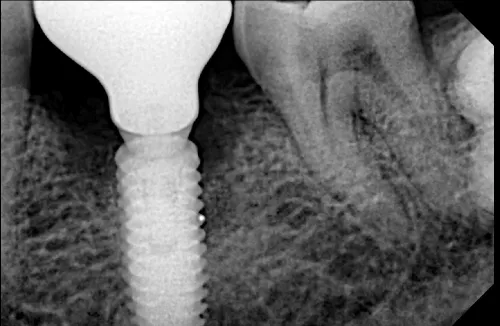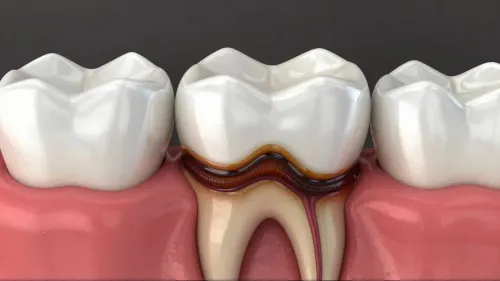
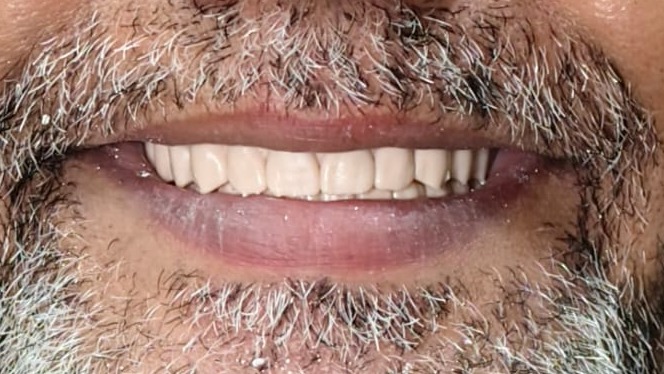
Have you recently undergone a root canal, had a tooth prepared for a crown, or received a temporary tooth while waiting for your permanent crown?
You may be wondering: Is a temporary crown strong enough for everyday use? How long can you safely wear it? And what happens if you delay getting your permanent crown?
A temporary crown protects your prepared tooth while your dentist arranges the final restoration. Although it is designed for short-term use, its durability depends on the material, the tooth's condition, your bite, and how well you care for it.
Let's understand everything you need to know about temporary dental crowns.
1. What Is a Temporary Crown?
A temporary crown is a short-term protective covering placed over a tooth that has been prepared for a permanent crown.
It is commonly made from acrylic, composite resin, or other provisional dental materials. Your dentist may make it directly in the clinic or have it fabricated in a dental laboratory.
A temporary crown helps to:
- Protect the prepared tooth from temperature sensitivity.
- Reduce discomfort while the tooth is awaiting its final restoration.
- Maintain the tooth's position and help prevent neighbouring teeth from shifting.
- Preserve appearance, especially when a front tooth is involved.
- Help maintain chewing function while the permanent crown is being made.
- Protect the tooth's prepared surfaces from food and bacteria, provided the crown fits well.
A temporary crown is not usually as durable or as precisely finished as a definitive crown. It is intended to bridge the gap between tooth preparation and final restoration.
2. How Long Can You Wear a Temporary Crown?
In many routine cases, a temporary crown is worn for approximately 1–3 weeks, while the permanent crown is being fabricated. However, some temporary restorations may be needed for several weeks or months when treatment requires additional stages.
A few days to 3 weeks
Common for routine crown treatment while the final crown is being prepared and fitted.
Several weeks to a few months
May be appropriate in selected cases involving staged treatment, gum healing, implant restoration, or assessment of the bite and appearance.
Longer-term use
Should be planned and monitored by your dentist. A routine temporary crown should not be treated as a permanent replacement.
There is no universal maximum wearing time for every temporary crown. Some specially designed provisional restorations can remain in place longer under supervision. The important thing is to follow your dentist's plan and not postpone the definitive restoration without discussing it.
3. Why Can't You Wear a Temporary Crown Forever?
You may feel comfortable with your temporary crown and wonder whether you really need the permanent one.
There are several reasons why a temporary crown is generally not intended for indefinite use.
It may break or wear down
Temporary materials are often less resistant to wear and fracture than definitive crown materials. Hard foods, teeth grinding, or excessive biting forces can cause chips or cracks.
It may become loose
Temporary crowns are commonly attached using temporary cement so they can be removed more easily at the next appointment. Over time, the cement can weaken, allowing the crown to loosen or come off.
Bacteria may enter beneath the crown
A temporary crown helps protect the prepared tooth, but it is not a guarantee against leakage or decay. A poor fit, damaged crown, or loss of cement may expose the underlying tooth to bacteria.
Your tooth or bite may change
If the temporary crown is lost or does not fit properly, neighbouring or opposing teeth may shift or the prepared tooth may move. This can make fitting the permanent crown more difficult.
It may not provide the intended long-term function
A permanent crown is designed according to the tooth's needs, the bite, the available space, and the required strength and appearance. A temporary crown may not provide the same durability or precision.
4. What Is the Difference Between a Temporary Crown and a Permanent Crown?
Feature
Temporary crown
Permanent crown
Main purpose
Short-term protection
Definitive restoration
Common materials
Provisional acrylic or composite materials
Zirconia, ceramic, porcelain-fused-to-metal, or other suitable materials
Strength
Generally lower, depending on material
Designed for longer-term function
Fit and finish
Provisional
Customised for final fit, bite, and appearance
Cement
Often temporary cement
Usually a definitive cementation system suited to the restoration
Wearing period
Usually short-term
Often many years with appropriate care; lifespan varies
The best permanent crown material depends on factors such as the tooth's position, bite forces, aesthetic requirements, remaining tooth structure, and your dentist's assessment.
5. Can You Eat Normally With a Temporary Crown?
You can usually eat, but it is sensible to protect the temporary restoration.
Foods to be careful with:
- Hard nuts, hard sweets, and ice.
- Sticky toffees, chewing gum, and very chewy sweets.
- Tough foods that require heavy biting.
- Biting directly into hard foods with a temporary crown on a front tooth.
Better choices during the temporary phase:
- Soft rice and well-cooked vegetables.
- Eggs, soft fish, or other tender protein foods.
- Yogurt and other soft foods.
- Foods cut into small, manageable pieces.
Try chewing on the opposite side when practical, especially during the first few days or if the tooth is sensitive. Follow any specific dietary advice from your dentist.
6. How Should You Brush and Floss Around a Temporary Crown?
Good oral hygiene is important because plaque can accumulate around the crown's edges.
- Brush twice daily with a soft-bristled toothbrush and fluoride toothpaste.
- Clean gently around the gumline where the temporary crown meets the tooth.
- Floss carefully. If your dentist advises flossing around the crown, slide the floss out sideways rather than pulling it forcefully upward, which could dislodge the temporary crown.
- Avoid chewing very sticky foods that may pull on the crown.
- Attend your scheduled appointment for the final restoration.
Do not stop cleaning the area completely because you are worried about loosening the crown. Ask your dentist for the safest technique if the crown is particularly delicate or the tooth is tender.
7. What Should You Do If Your Temporary Crown Falls Off?
A temporary crown coming off is not unusual, but it should not be ignored.
Here is what to do:
- Keep the crown in a clean container and contact your dentist promptly.
- Avoid chewing on the exposed tooth.
- Keep the area clean with gentle brushing.
- Avoid attempting to glue the crown back with household glue or other non-dental adhesives.
- If you cannot get an appointment immediately, ask your dentist whether a temporary dental cement product is appropriate for your particular situation.
If the crown is broken, the tooth is very painful, or there is swelling, seek prompt dental advice. If you have difficulty breathing or swallowing or rapidly spreading facial swelling, seek emergency care.
8. Is Pain Normal Under a Temporary Crown?
Some sensitivity or mild tenderness can occur after tooth preparation, particularly with cold foods or pressure. The underlying tooth may also be healing after a root canal or another procedure.
However, contact your dentist if you notice:
- Severe or increasing pain.
- Pain that wakes you at night or persists without improvement.
- Pain when biting that feels as though the crown is too high.
- A loose or fractured crown.
- Swelling, pus, or a persistent unpleasant taste.
These symptoms may indicate a bite problem, leakage, inflammation, or another condition that needs assessment. Do not assume that all discomfort is simply part of the healing process.
9. How Long Does It Take to Get the Permanent Crown?
For routine treatment, the permanent crown may be ready within days to a few weeks, depending on the clinic's digital workflow, laboratory turnaround, material, and the complexity of the case.
The timeline may be longer if:
- The tooth needs additional treatment.
- Gum tissue needs time to heal.
- Your dentist needs to assess the bite or appearance with a provisional restoration.
- Implant treatment is still progressing through its healing stages.
- A more complex restoration is being fabricated.
Digital impressions and in-house laboratory workflows may help streamline parts of the process, but the timing depends on the individual case and the type of restoration.
Frequently Asked Questions
1. Can I wear a temporary crown for 6 months?
Some provisional crowns are intentionally used for longer periods under dental supervision. However, a routine temporary crown should not be left for six months without review. Your dentist should assess its fit, condition, and the health of the underlying tooth.
2. Can a temporary crown cause tooth decay?
A well-fitting temporary crown helps protect the tooth, but decay can still occur if bacteria enter around the margins, especially if the crown is loose or damaged. Good oral hygiene and follow-up are important.
3. Can I sleep with a temporary crown?
Yes. A temporary crown is normally worn continuously, including while sleeping, unless your dentist gives different instructions. If you grind your teeth, tell your dentist because this may increase the risk of damage.
4. Is a temporary crown necessary after every root canal?
Not always. The need for a crown depends on how much tooth structure remains, the tooth's location, fracture risk, and the planned definitive restoration. Some teeth may be restored differently.
5. Can a temporary crown look natural?
Yes. Temporary crowns can provide an acceptable appearance, especially for front teeth. However, colour, shape, and translucency may differ from the final crown.
6. Does a temporary crown protect the tooth completely?
No. It offers temporary protection, but the tooth can still develop problems if the crown leaks, breaks, or comes loose. Keep your follow-up appointment.
The Bottom Line
A temporary crown is an important part of many restorative dental treatments. It protects the prepared tooth, supports appearance and function, and allows your dentist to prepare the final restoration.
For many routine cases, it is worn for approximately 1–3 weeks, but longer periods may be appropriate when planned and monitored by your dentist.
If your temporary crown feels loose, breaks, falls off, or becomes painful, contact your dentist rather than waiting for your scheduled permanent crown appointment.
At Procare Dental LLP, patients from Thane and Mulund West can receive personalised advice about temporary crowns, permanent crown options, and the appropriate timeline for their treatment.
Procare Dental LLP – Thane & Mulund West, Mumbai
🌐 www.procaredental.in
📞 7071876876
Keywords