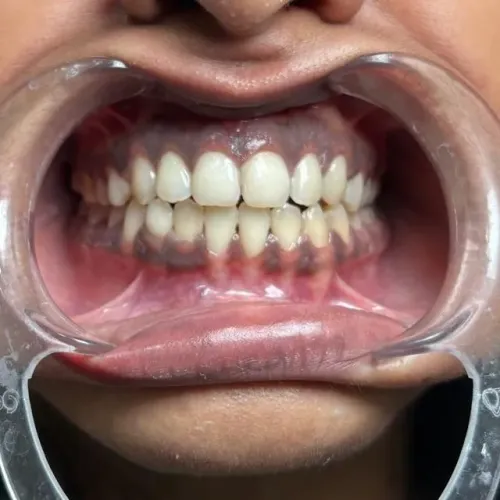
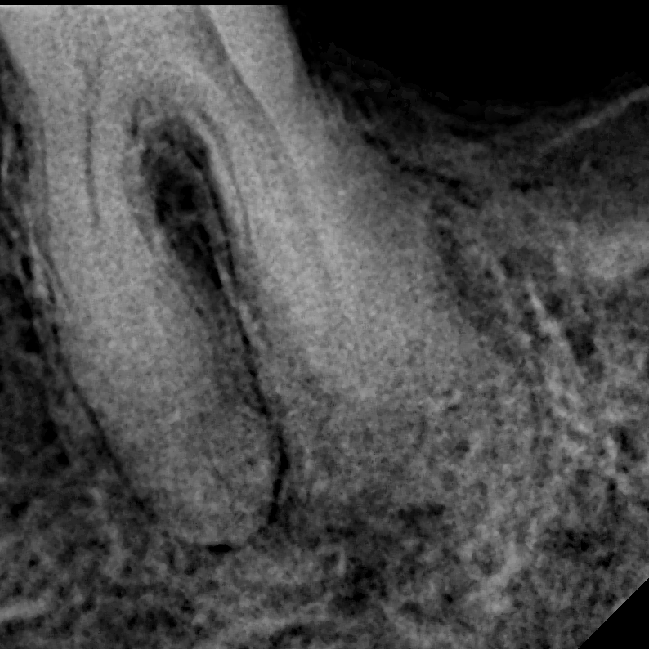
Have you ever woken up with a swollen cheek, jaw, or area around your eye and wondered whether a tooth could be the cause?
Facial swelling caused by a dental infection should never be ignored. It may result from an infected tooth, a dental abscess, or an infection around the gums. While some cases can be managed with urgent dental treatment, others can become serious and require immediate hospital care.
Knowing the warning signs can help you seek the right treatment at the right time.
1. Can a Tooth Infection Cause Facial Swelling?
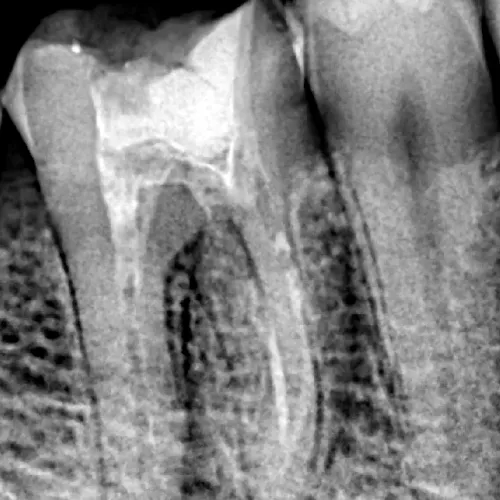
Yes. When bacteria enter the inner part of a tooth or infect the surrounding gum tissues, they can cause inflammation and sometimes an accumulation of pus called a dental abscess.
The infection may spread into the surrounding tissues, causing visible swelling of the cheek, jaw, or face.
Common dental causes include:
- Tooth abscess: An infection near the root of a tooth.
- Deep tooth decay: Bacteria reach the pulp, the soft tissue inside the tooth.
- Advanced gum infection: Infection around the teeth may spread into nearby tissues.
- Infection around a wisdom tooth: Particularly when the tooth is partially erupted.
- Infection after dental treatment or extraction: Some swelling is expected after certain procedures, but worsening swelling, fever or increasing pain needs assessment.
Sometimes, facial swelling occurs even when the toothache is mild or absent. The amount of pain does not reliably indicate how serious an infection is.
2. When Is Facial Swelling a Dental Emergency?
The most important thing is to recognise whether the swelling may be affecting your airway, eye, or deeper tissues.
Go to an emergency department immediately
Seek emergency medical care if you have facial swelling with any of these symptoms:
- Difficulty breathing or swallowing.
- Swelling under the tongue, in the floor of the mouth, or rapidly increasing swelling in the neck.
- Swelling spreading towards the eye, especially with eye pain, impaired vision, or difficulty opening or moving the eye.
- Rapidly spreading swelling or severe illness with confusion, faintness, or marked weakness.
Do not wait for a routine dental appointment. If breathing is affected, call your local emergency number.
Seek urgent dental care today
Arrange a same-day dental assessment if you have:
- New swelling of the cheek or jaw that appears to be tooth-related.
- A swollen gum with pus or a bad taste in the mouth.
- Toothache with fever or feeling generally unwell.
- Increasing pain, difficulty opening your mouth, or swelling that is getting worse.
- Swelling after a dental procedure that is worsening rather than following the expected recovery pattern.
Even if the swelling is small and the pain is manageable, an infection may still need prompt treatment.
3. What Does the Location of the Swelling Tell You?
The location can offer clues, but it cannot confirm the cause or severity without an examination.
Where you notice swelling
Possible cause
What to do
Cheek near an upper tooth
Infection involving an upper tooth or surrounding tissues
Seek urgent dental assessment
Lower cheek or jaw
Infection involving a lower tooth or gum
Seek urgent dental assessment
Around the eye
A spreading dental or other facial infection
Emergency assessment, especially with eye symptoms
Under the jaw or tongue
A potentially spreading infection
Emergency assessment if swelling is significant, spreading, or affects swallowing
Around a partially erupted wisdom tooth
Inflammation or infection around the tooth
Same-day dental assessment; emergency care if severe warning signs occur
Facial swelling can also have non-dental causes, such as salivary gland problems, sinus conditions, or skin infections. A professional examination is needed to identify the source.
4. Why Can a Dental Infection Become Dangerous?
A dental infection may remain localised, but sometimes it spreads beyond the tooth into the surrounding soft tissues and deeper spaces of the face and neck.
Possible complications include:
- Facial cellulitis: Infection spreading through soft tissues.
- Deep neck infection: Infection spreading into deeper spaces that may affect swallowing or breathing.
- Eye socket complications: Infections in certain areas of the face can threaten vision.
- Systemic infection: In severe cases, infection can affect the whole body.
These complications are not inevitable, but they explain why worsening swelling needs prompt attention.
5. What Should You Do While Waiting for Treatment?
If you have facial swelling that may be related to a tooth:
- Arrange urgent dental care; use an emergency department if any emergency warning signs are present.
- Keep yourself hydrated if you can swallow safely.
- Use a cold compress on the outside of the cheek for short intervals if it helps with discomfort.
- Take an over-the-counter pain reliever only if it is safe for you and according to the label or your clinician's advice.
- Do not squeeze, puncture, or attempt to drain the swelling yourself.
- Do not place aspirin directly on the tooth or gum.
- Do not use leftover antibiotics or someone else's medication.
Do not rely on antibiotics alone. Depending on the cause, definitive treatment may require draining the infection, root canal treatment, or removing the affected tooth. Antibiotics may be needed in some cases, but they do not replace treatment of the source.
6. Will the Swelling Go Away on Its Own?
Swelling may temporarily reduce if pus drains or symptoms fluctuate. However, this does not necessarily mean the infection has resolved.
A dental abscess generally requires professional treatment. Delaying care can allow the infection to spread, even if the pain becomes less intense.
Your dentist may recommend:
- Root canal treatment to remove infected tissue and preserve a restorable tooth.
- Drainage when an abscess is present and drainage is appropriate.
- Tooth extraction when the tooth cannot predictably be saved.
- Antibiotics when indicated by the presence or spread of infection or systemic symptoms.
The appropriate treatment depends on the diagnosis, the tooth's condition, and your overall health.
7. How Can You Reduce the Risk of Dental Infections?
Not every infection can be prevented, but good oral care and early treatment can reduce the risk.
- Brush twice daily with fluoride toothpaste.
- Clean between your teeth every day.
- Attend regular dental check-ups.
- Treat cavities and gum disease promptly.
- Get persistent toothache, sensitivity, or gum swelling examined rather than repeatedly masking the symptoms.
- Follow your dentist's advice for partially erupted wisdom teeth or teeth with previous root canal treatment.
8. Frequently Asked Questions
Can facial swelling from a tooth occur without pain?
Yes. Some dental infections cause little pain, especially if pressure has been relieved or the nerve inside the tooth has died. Visible facial swelling still needs urgent assessment.
Should I wait until tomorrow if the swelling is small?
If new facial swelling appears to be related to a tooth, seek dental assessment the same day where possible. Do not wait if it is worsening or if you develop fever, difficulty opening your mouth, or other concerning symptoms. Breathing or swallowing difficulty, significant eye symptoms, or rapidly spreading swelling require emergency care.
Will antibiotics reduce the swelling?
They may help when antibiotics are clinically indicated, but they may not eliminate the source of the infection. Dental treatment is often necessary, so do not delay assessment while waiting for antibiotics to work.
Is facial swelling after a tooth extraction normal?
Some swelling can be expected after an extraction and may increase during the first few days before improving. However, rapidly worsening swelling, fever, pus, increasing pain, difficulty swallowing, or breathing problems require urgent assessment.
Can an infected tooth cause swelling near the eye?
Yes, infections involving certain upper teeth can spread into nearby facial tissues. Swelling near the eye should be taken seriously. Eye pain, vision changes, difficulty moving the eye, or rapidly spreading swelling require emergency medical assessment.
The Bottom Line
Facial swelling from a tooth is a warning sign that needs prompt attention. Contact a dentist urgently for new tooth-related facial swelling, and go directly to an emergency department if you have difficulty breathing or swallowing, significant eye symptoms, or rapidly spreading swelling.
Early diagnosis can help prevent complications and identify whether the tooth can be saved.
At Procare Dental LLP, patients in Thane and Mulund West, Mumbai, can seek dental assessment for toothache, dental abscesses, gum infections, and other dental concerns.
Procare Dental LLP – Thane & Mulund West, Mumbai
🌐 www.procaredental.in
📞 7071876876
Keywords