Can you travel to India for dental implants, restore your smile, and return home within a limited holiday?
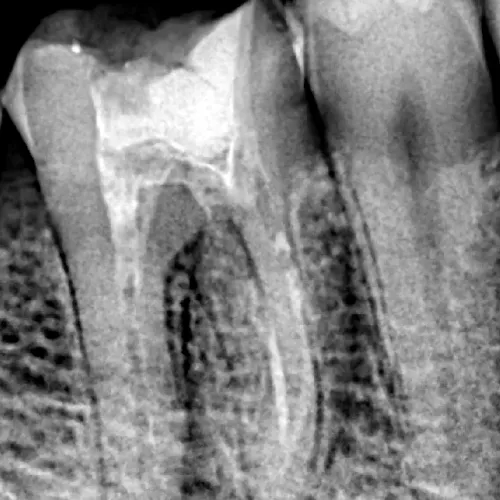
For many international patients, India offers an opportunity to combine dental treatment with a family visit or holiday. However, successful implant treatment requires more than scheduling surgery around flight dates. Bone quality, gum health, the number of missing teeth, healing time, and the final restoration all influence how much treatment can safely be completed during one visit.
At Procare Dental LLP, Thane and Mulund West, Mumbai, careful planning can help international patients understand their options, prepare for treatment, and coordinate their dental visits around travel arrangements.
1. Can You Get Dental Implants During a Short Visit to India?
Yes, some stages of implant treatment can be completed during a short visit, but the entire treatment may not be finished in one trip.
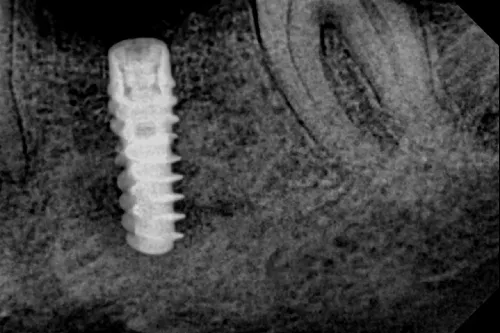
In selected cases, a dental implant can be placed on the day a tooth is removed, or a temporary tooth may be attached soon after implant placement. These are different procedures, and neither means that the implant has already fully healed.
Dental implant treatment usually involves three stages:
- Surgical stage: The implant is placed in the jawbone.
- Healing stage: The implant integrates with the bone, a process called osseointegration.
- Restorative stage: The final crown, bridge, or full-arch prosthesis is fitted after the implant and surrounding tissues are ready.
Bone integration commonly takes several months, although the timeline varies by patient and treatment site. In suitable cases, a temporary restoration can provide appearance and function during healing.
The key is to plan around your clinical needs rather than assume that every stage can be completed before your return flight.
2. How Much Time Should You Plan for Your Dental Implant Visit?
The ideal length of your visit depends on whether you need a single implant, multiple implants, bone grafting, or full-mouth rehabilitation.
The following is a general planning guide, not a guaranteed treatment schedule.
Treatment stage
What may happen during the visit
Days 1–2
Consultation, examination, review of scans and medical history
Days 2–5
Treatment planning, digital planning where appropriate, and any required pre-surgical preparations
Days 3–7
Implant surgery, if you are suitable and the plan is finalised
Following days
Post-operative review, assessment of healing and any necessary adjustments
Before departure
Review of recovery, written instructions, records and follow-up arrangements
The exact schedule should be personalised. Some patients may need additional visits, and complex cases may require a longer stay.
Do not book a non-refundable return flight before discussing the expected recovery period with your treating dentist. Ask how much flexibility you should allow if swelling, pain, or another complication requires additional assessment.
3. What Can Be Completed in One Trip?
The most important distinction is between placing an implant and completing the final tooth restoration.
Option A: Implant placement during your visit
For many patients, the first trip can include examination, digital planning, implant surgery and a temporary tooth or denture if clinically appropriate.
The final crown or bridge may be fitted during a later visit after healing.
Option B: Immediate temporary teeth in selected cases
Some patients can receive a temporary crown or a provisional full-arch restoration on the day of surgery or soon afterwards.
This depends on factors such as bone quality, implant stability, bite forces, the number and distribution of implants, and the complexity of the case. Temporary teeth may also need to be kept out of heavy biting contact.
Option C: Final teeth during the same trip
In selected cases, an existing, sufficiently healed implant may be restored during a short visit. Some treatment plans may also allow earlier loading, but this is not appropriate for every newly placed implant.
Immediate implant placement, immediate temporary teeth and immediate loading are three different things. None should be promised before the clinical assessment.
Association of Dental Implantology+2
4. How Can You Prepare Before Travelling to India?
Preparation can reduce avoidable delays and help your dentist make a more informed assessment before you arrive.
Send your dental records in advance
Where possible, provide:
- Recent dental X-rays or CBCT scans in their original digital format.
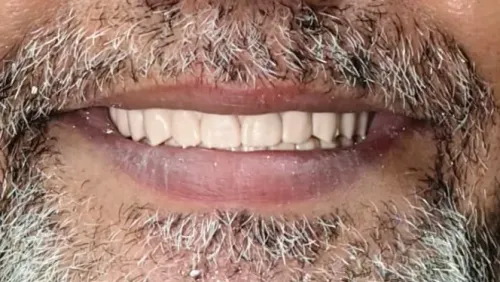
- Photographs of your teeth and smile.
- A list of missing, damaged or failing teeth.
- Details of previous implant surgery, bone grafting or gum treatment.
- Information about any current pain, swelling or infection.
- Your medical history and current medications.
Your dentist may still need a new examination or scan in India. An old scan may not accurately represent your current bone and gum condition.
Share your medical history honestly
Inform your dentist about conditions such as diabetes, bleeding disorders, allergies, smoking or tobacco use, and medicines that may affect surgery or healing.
Do not stop prescribed medication, particularly blood thinners, without guidance from the prescribing clinician and your dental team.
Discuss your expectations
Tell your dentist whether your priority is replacing one tooth, restoring several teeth, improving the appearance of your smile, or rebuilding a full arch.
This helps the team evaluate suitable options and explain what can realistically be completed during your available time.
5. How Can Digital Implant Planning Help International Patients?
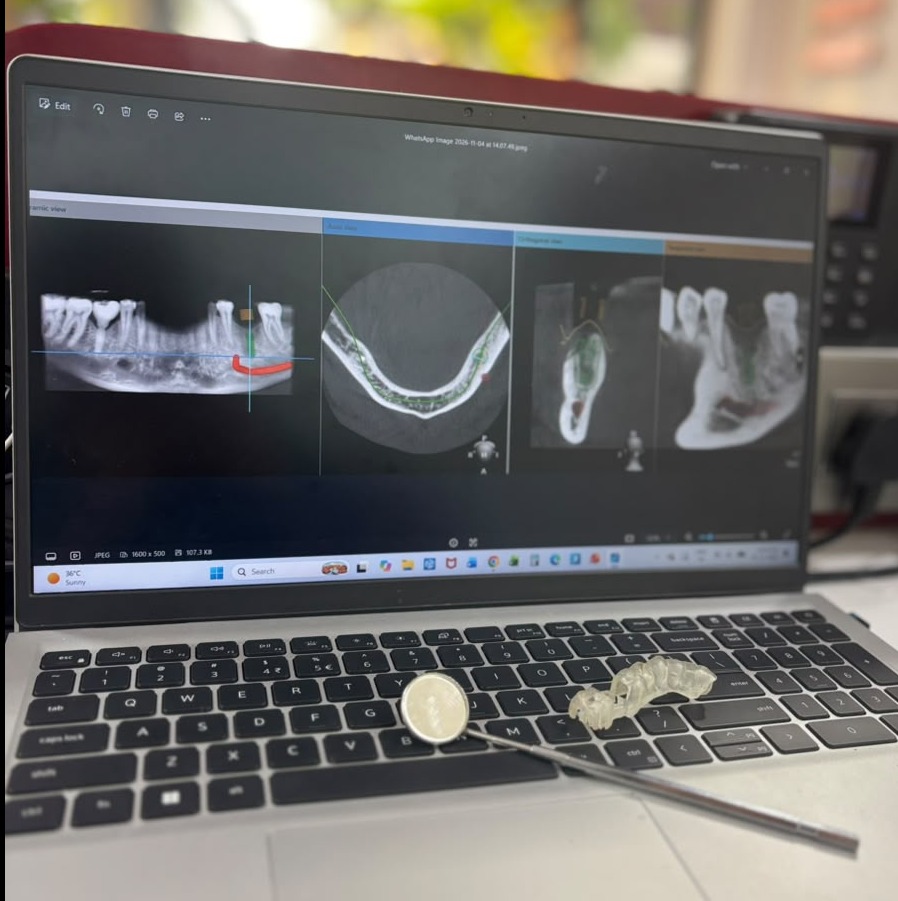
Digital workflows can help coordinate diagnosis, implant positioning and restoration design.
Depending on your case, the process may involve:
- CBCT imaging: Three-dimensional assessment of bone and important anatomical structures when indicated.
- Intraoral scanning: Capturing the teeth and oral tissues digitally.
- Digital implant planning: Evaluating implant position in relation to the planned crown or bridge.
- Surgical guides: Using a custom guide when appropriate to help transfer the planned implant position into surgery.
- Digital prosthetic planning: Coordinating the intended appearance, bite and design of the replacement teeth.
These tools can improve planning and communication, but they do not eliminate surgical risks or guarantee a particular outcome. They must be combined with clinical judgement and appropriate follow-up.
At Procare Dental LLP, digital implant workflows may be considered according to the patient's clinical requirements.
6. What If You Need Full-Mouth Rehabilitation?
Patients who have multiple failing teeth, several missing teeth or an existing full-arch denture may need more extensive planning than someone replacing a single tooth.
Treatment may involve:
- Removing teeth that cannot be predictably restored.
- Treating active gum disease or infection.
- Placing implants in one or both jaws.
- Considering bone grafting when necessary.
- Providing temporary teeth during healing.
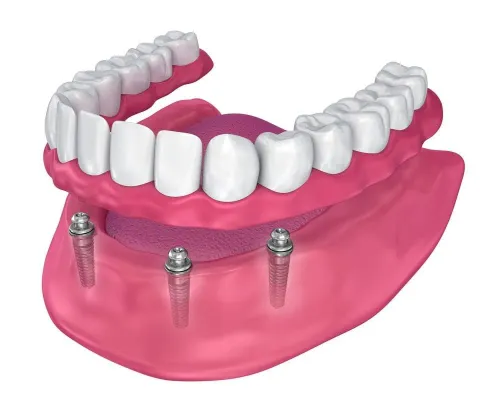
- Designing a final fixed bridge or removable implant-supported overdenture.
A full-arch temporary restoration may be possible in selected cases, but it is not suitable for everyone. Some patients need staged treatment, and the final prosthesis may be fitted only after adequate healing.
For international patients, the plan should clearly separate what will happen during the first visit from what must happen later.
7. When Is It Safe to Fly After Dental Implant Surgery?
There is no single departure date that is appropriate for every patient.
Your treating dentist should assess the procedure performed, your recovery, the extent of surgery, any complications and your travel arrangements before advising you to fly.
Consider the following:
- Allow sufficient time for a post-operative examination before departure.
- Avoid planning surgery immediately before a long-haul flight if this leaves no opportunity for review.
- Ask whether your procedure involves extensive bone grafting, sinus-related surgery or other factors that may change your recovery plan.
- Arrange access to dental care at home in case you develop pain, swelling, bleeding or other complications after returning.
- Check whether your travel insurance covers complications arising from planned dental treatment abroad.
Travel after surgery requires individual planning. Long periods of immobility during travel can also contribute to blood-clot risk, particularly in people with additional risk factors. Ask your clinician whether any special precautions are needed.
CDC Yellow Book™+1
8. What Should You Check Before Choosing a Dental Clinic in India?
Treatment cost is important, but it should not be the only factor.
Before committing to treatment, ask the clinic:
- Who will perform the implant surgery, and what are their qualifications and experience?
- What implant brand and model will be used?
- What diagnostic investigations are required?
- Is the treatment plan based on the final tooth position as well as the available bone?
- What is included in the quotation: surgery, implants, abutments, temporary teeth, final crowns, laboratory work and follow-up?
- What happens if additional treatment or an extra visit becomes necessary?
- Will you receive your implant details, scans, treatment notes and written aftercare instructions?
- How will follow-up be coordinated with a dentist in your home country?
Medical and dental treatment abroad can involve additional costs and difficulties if complications occur or follow-up is not readily available. Obtain a clear treatment plan and understand your options before proceeding.
CDC+1
9. Frequently Asked Questions
Can I get dental implants in India during a one-week holiday?
It may be possible to complete the examination and implant placement within a week in selected cases. However, that does not mean the implant will be fully healed or ready for its final crown. Your suitability and schedule must be assessed individually.
Can I get teeth on the same day as my implants?
Some patients can receive temporary teeth on the day of surgery or soon afterwards. This depends on implant stability, bone conditions, bite forces and the planned restoration. Others need a healing period before teeth can be attached.
Do I need to return to India for the final crown?
You may need another visit if your treatment requires the implant to heal before the final restoration is made. Ask your dentist whether any later stages can be coordinated with a qualified dentist in your home country and which procedures require review by the original team.
What if I need bone grafting?
Bone grafting can increase treatment complexity and may extend the overall timeline. Depending on the amount of grafting and the implant plan, grafting and implant placement may be performed together or in separate stages.
Can I travel if my implant is still healing?
Possibly, if your treating dentist confirms that your recovery is satisfactory and you have appropriate aftercare arrangements. Healing continues after you return home, so follow-up and maintenance remain important.
Is dental treatment in India suitable for international patients?
Patients can receive dental care in India, but they should research the treating clinician, facility, treatment plan and follow-up arrangements carefully. Treatment suitability depends on clinical needs rather than nationality or travel budget.
The Bottom Line
Dental implants during a short visit to India can be a practical option for some international patients, provided the treatment is planned around clinical needs rather than a fixed holiday schedule.
The best approach is to share your records before travelling, obtain a clear treatment plan, allow time for post-operative review, and arrange follow-up care before returning home. In some cases, the first visit can include implant surgery and temporary teeth; in others, treatment must be completed in stages.
At Procare Dental LLP, we can assess your dental needs and discuss implant treatment options for patients visiting Thane and Mulund West, Mumbai.
Contact the clinic before booking your trip so that the team can advise you on the records needed for an initial assessment.
Procare Dental LLP – Thane & Mulund West, Mumbai
🌐 www.procaredental.in
📞 7071876876
Keywords