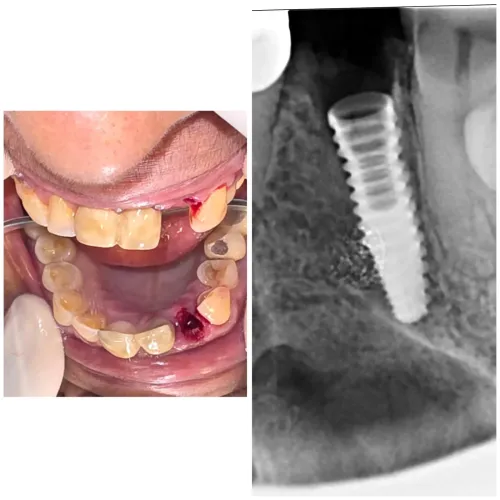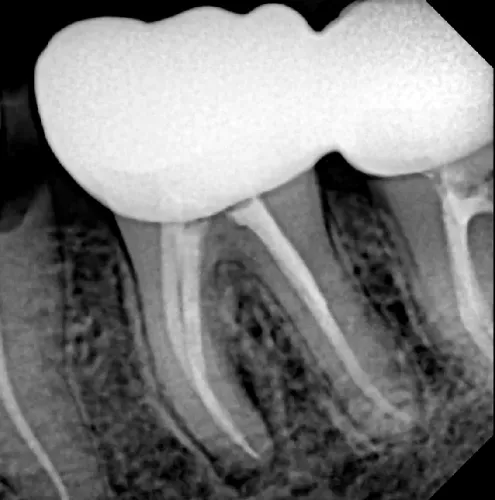
If you have lost a tooth, dental implants can provide a stable, long-term way to replace it. But a common question patients ask is:
“Am I eligible for a dental implant?”
The answer is not based on age alone. Your suitability depends on several factors, including bone availability, gum health, general health, oral hygiene, bite, smoking habits and the condition of the area where the implant will be placed.
The good news is that many patients who are not immediately ready for an implant can become suitable candidates after appropriate treatment, such as gum treatment or bone grafting.
If you are considering dental implants in Thane or Mulund West Mumbai, here's a complete guide to understanding implant eligibility.
🦷 What Is a Dental Implant?
A dental implant is a small biocompatible fixture placed into the jawbone to replace the root portion of a missing tooth.
Once the implant has integrated with the bone, it can support a:
- Crown for a single missing tooth
- Bridge for multiple missing teeth
- Denture/full-arch restoration for extensive tooth loss
Unlike a conventional bridge, an implant-supported tooth does not necessarily require neighbouring healthy teeth to be prepared.
👤 Who Is Generally a Good Candidate?
A good dental implant candidate typically has:
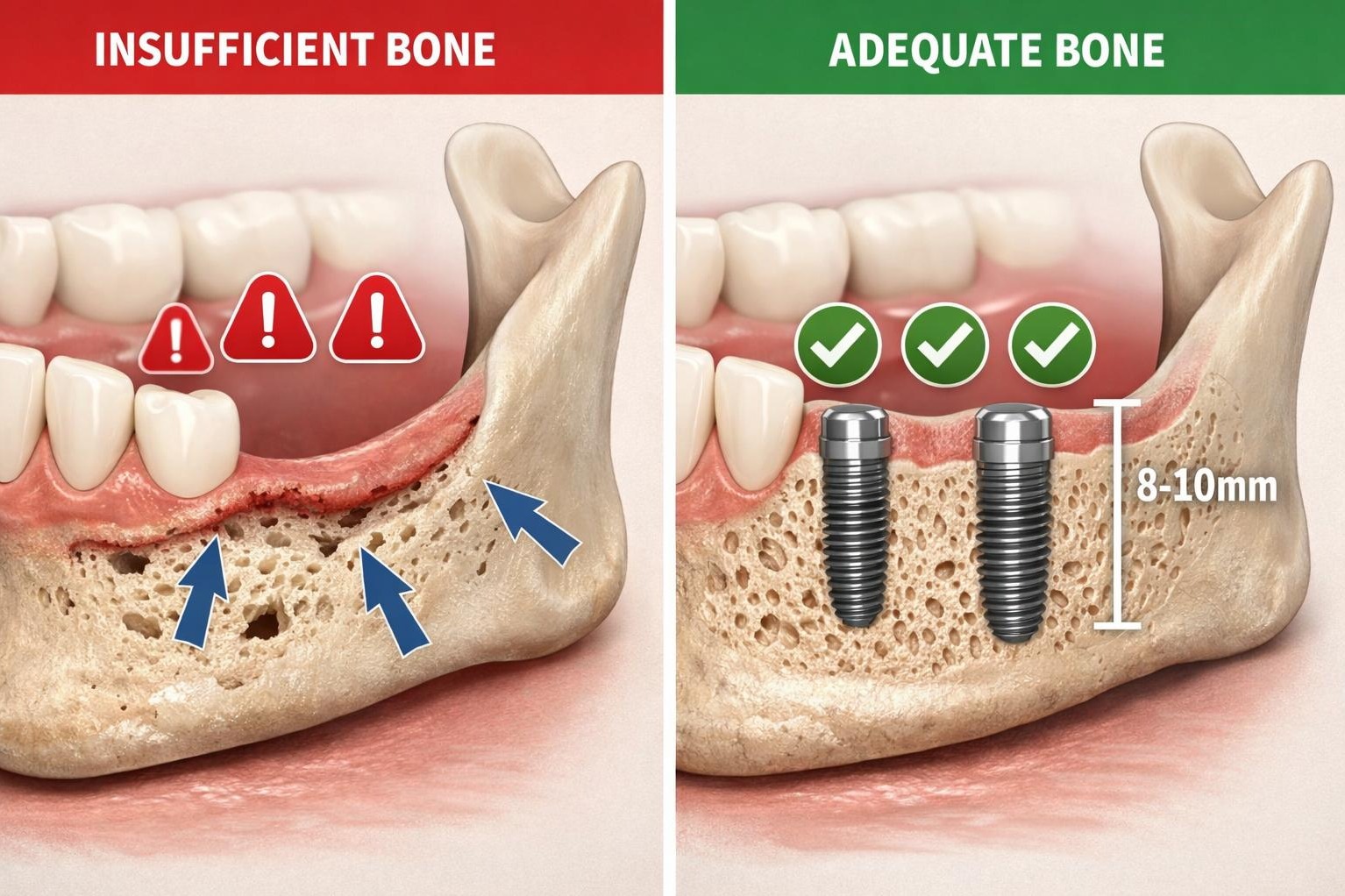
🦴 Adequate Bone
There needs to be enough suitable bone to provide support for the implant.
Bone can reduce after tooth loss, sometimes making implant placement more challenging.
If bone volume is insufficient, bone grafting or another augmentation procedure may make implant treatment possible.
🦷 Healthy Gums
Healthy periodontal tissues are important for implant treatment.
Active gum disease should be appropriately treated and controlled before implant placement.
Patients with a history of gum disease may still be excellent implant candidates—but they need appropriate periodontal care and long-term maintenance.
🪥 Good Oral Hygiene
Implants require regular maintenance.
A patient should be willing and able to:
- Brush regularly
- Clean between teeth
- Clean around the implant restoration
- Attend professional maintenance appointments
An implant is not a 'fit-and-forget' treatment.
💪 Sufficient Implant Stability
During surgery, the implant needs to achieve appropriate primary stability.
This depends on factors such as:
- Bone quantity
- Bone quality
- Implant position
- Implant dimensions
- Surgical technique
If sufficient stability cannot be achieved, the dentist may recommend a different treatment approach or healing protocol.
🩺 Does Age Matter for Dental Implants?
There is no simple maximum age for dental implants.
Healthy older adults can often receive dental implants successfully.
What matters more than chronological age is:
- Overall health
- Bone condition
- Gum health
- Ability to maintain oral hygiene
- Healing capacity
- Medical history
- Suitability of the proposed treatment
However, implant placement is generally avoided in patients whose jaw growth is still incomplete.
For children and adolescents, the dentist needs to assess whether facial and jaw development is sufficiently complete.
🦴 What If I Don't Have Enough Bone?
Insufficient bone does not automatically mean you cannot have implants.
Bone loss can occur because of:
- Long-term tooth loss
- Gum disease
- Previous infection
- Trauma
- Previous extraction
- Natural bone remodeling
Depending on the situation, your dentist may consider:
Bone Grafting
Additional bone material is used to augment an area with insufficient volume.
Sinus Augmentation
In selected upper-jaw cases, the sinus floor can be augmented to create adequate space for implant placement.
Ridge Augmentation
A deficient section of the jaw can sometimes be reconstructed to improve the available bone.
The exact approach depends on the location and extent of bone loss.
🦠 Can You Get an Implant If You Have Gum Disease?
Active, uncontrolled gum disease should generally be treated before implant placement.
Periodontal disease can affect the tissues supporting both natural teeth and implants.
If you have gum disease, your treatment may therefore involve:
Gum evaluation → periodontal treatment → improved oral hygiene → reassessment → implant planning
Having previously suffered from gum disease does not automatically disqualify you from implants.
The key is achieving good periodontal control and maintaining it afterward.
🚬 Can Smokers Get Dental Implants?
Smoking does not necessarily make implant treatment impossible, but it can negatively affect healing and is associated with a greater risk of implant complications.
If you smoke, tell your implant dentist.
Reducing or stopping tobacco use can improve the conditions for healing and long-term implant maintenance.
Your dentist can discuss an appropriate smoking-cessation strategy with you.
🩺 What About Medical Conditions?
Having a medical condition does not automatically mean you cannot receive dental implants.
Your dentist needs to understand your medical history and determine whether your condition is adequately controlled and whether any modifications to treatment are necessary.
Your dentist may consider:
- Healing capacity
- Infection risk
- Current medications
- Previous surgical history
- Bone health
- Overall medical stability
If necessary, your dental team may coordinate with your physician before treatment.
Never stop prescribed medication on your own because you are planning implant surgery.
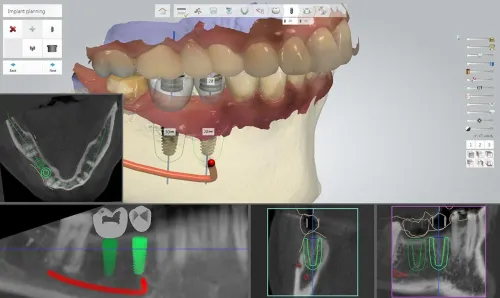
🩻 Why Is CBCT Used for Implant Assessment?
A CBCT scan provides three-dimensional information about the jaw.
It can help your dentist assess:
- Bone height
- Bone width
- Bone defects
- Root positions
- Nerve location
- Sinus anatomy
- Implant positioning
This information helps with prosthetically driven implant planning—placing the implant in a position that supports the desired final restoration while respecting the available anatomy.
🦷 Is One Missing Tooth Enough to Need an Implant?
A single missing tooth can be replaced using several approaches.
Depending on the situation, options may include:
Dental implant + crown
or
Conventional bridge
or, in selected circumstances,
Removable partial denture
The best option depends on factors such as neighbouring teeth, bone, gums, aesthetics, function, cost and the patient's preferences.
🦷 Can Someone With Multiple Missing Teeth Get Implants?
Yes.
Implant treatment is not limited to single missing teeth.
Depending on the number and distribution of missing teeth, options can include:
Multiple Individual Implants
Each missing tooth may be replaced separately in selected cases.
Implant-Supported Bridge
Several missing teeth can sometimes be replaced using fewer implants supporting a bridge.
Implant-Supported Denture
Implants can provide additional retention and stability for a removable denture.
Full-Arch Implant Restoration
Patients who have lost most or all teeth may be candidates for a fixed full-arch implant-supported restoration.
The number of implants required depends on the anatomy and treatment plan.
🦷 Can You Get an Implant Immediately After Extraction?
Sometimes.
If the tooth needs to be removed, an implant may be placed during the same appointment as extraction in carefully selected cases.
This is called immediate implant placement.
Suitable conditions may include:
- Appropriate bone anatomy
- Manageable infection status
- Suitable soft tissues
- Ability to achieve adequate primary stability
- Appropriate bite
If these conditions aren't present, delayed implant placement may be more predictable.
😬 What About Teeth Grinding?
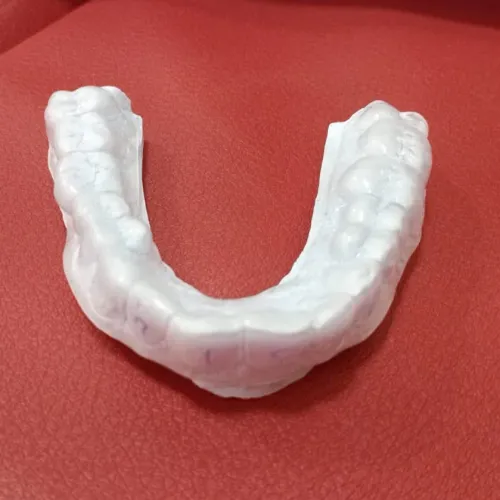
Bruxism—clenching or grinding—can place significant forces on teeth and implant restorations.
It does not automatically exclude you from implant treatment, but it should be identified and managed as part of the treatment plan.
Your dentist may consider:
- Bite assessment
- Restoration design
- Occlusal protection
- A night guard in appropriate cases
- Regular monitoring
🪥 Oral Hygiene: One of the Most Important Factors
An implant can be surgically successful but still develop problems later if plaque control is poor.
Patients should understand that long-term implant care involves:
Daily home cleaning + professional maintenance + regular monitoring
Your dentist may teach you how to clean around the implant using:
- Soft toothbrush
- Interdental brushes
- Dental floss
- Water flosser
- Other specialised cleaning aids
The ideal combination depends on your restoration.
🚫 Who May Need to Delay Implant Treatment?
Implant treatment may need to be postponed when there is:
- Active uncontrolled gum disease
- Significant untreated infection
- Inadequate bone requiring augmentation
- Poor oral hygiene
- Certain uncontrolled medical conditions
- Inadequate healing conditions
- Inability to maintain the restoration properly
These are often reasons to prepare first rather than permanent reasons to say no.
🧑⚕️ The Dental Implant Eligibility Checklist
Your dentist will typically consider:
FactorWhat Is Evaluated?🦴 BoneHeight, width, quality and anatomy🦷 GumsPeriodontal health and inflammation🪥 HygieneAbility to maintain good plaque control🩺 HealthMedical conditions and healing factors💊 MedicationsCurrent medicines and relevant interactions🚬 SmokingTobacco exposure and associated risks😬 BiteOcclusal forces and grinding🩻 ImagingX-rays/CBCT where indicated👤 AgeSkeletal maturity rather than age alone🤝 CommitmentWillingness to maintain implants long-term
⭐ Are You Too Old for Dental Implants?
Usually, age alone is not the deciding factor.
A healthy 70-year-old may be a better implant candidate than a much younger patient with uncontrolled gum disease, poor oral hygiene or inadequate bone.
The focus should be on individual suitability, not simply the number on your birth certificate.
🦷 Can Dental Implants Fail?
Like any medical or dental treatment, implants are not guaranteed to succeed in every case.
Complications can include:
- Failure of initial integration
- Infection/inflammation around the implant
- Bone loss
- Mechanical complications
- Crown or screw-related problems
Risk can be influenced by factors such as smoking, periodontal disease, oral hygiene, bone condition and excessive forces.
This is why careful diagnosis, appropriate planning and long-term maintenance are important.
❓ Frequently Asked Questions
What is the minimum age for dental implants?
Implants are generally considered after jaw growth is complete. The exact timing depends on individual skeletal development rather than a fixed age.
Can I get dental implants if I have diabetes?
A medical condition such as diabetes does not automatically exclude someone from implant treatment. Your dentist will consider how well it is controlled and other individual healing factors.
Can smokers get dental implants?
Yes, some smokers receive implants, but smoking can increase the risk of complications. Stopping or reducing tobacco exposure is strongly worth discussing with your dental team.
What if I have very little bone?
You may still be able to receive implants after appropriate bone augmentation, depending on your anatomy.
Can I get implants if I have gum disease?
Active gum disease should be controlled before implant placement. Patients with a history of periodontal disease can still be candidates with appropriate treatment and maintenance.
Do all missing teeth need implants?
No. Dental implants are one option among several. Your dentist should discuss alternatives based on your oral health, function, aesthetics and preferences.
How do I know if I am a dental implant candidate?
A clinical examination combined with appropriate imaging and assessment of your gums, bone, bite and medical history is the best way to determine your suitability.
🦷 The Bottom Line
Being a good dental implant candidate isn't simply about age or having a missing tooth.
The most important factors are:
Healthy gums + adequate bone + appropriate overall health + good oral hygiene + suitable bite + commitment to maintenance
And if one of these factors isn't ideal today, it doesn't necessarily mean you can never have an implant.
Bone grafting, periodontal treatment, improved oral hygiene or medical optimisation may sometimes make implant treatment possible.
The best way to know whether dental implants are right for you is to undergo a detailed implant assessment, including appropriate imaging such as CBCT when indicated.
If you are considering dental implants in Thane or Mulund West Mumbai, a consultation at Procare Dental LLP can help determine the most suitable tooth-replacement option for your individual situation.
Procare Dental LLP – Thane & Mulund West, Mumbai
📞 7071876876
Keywords