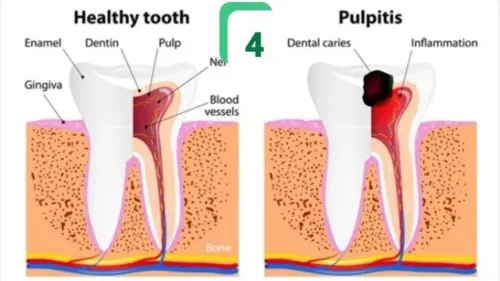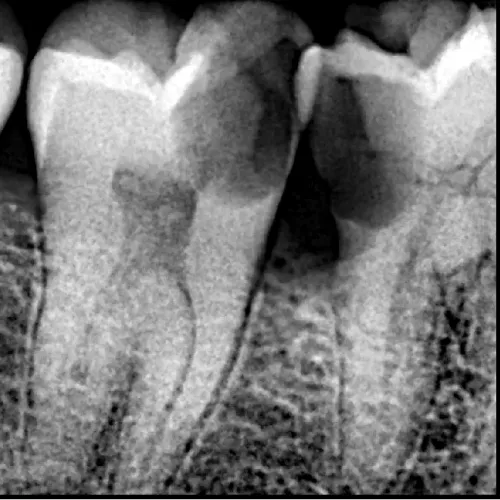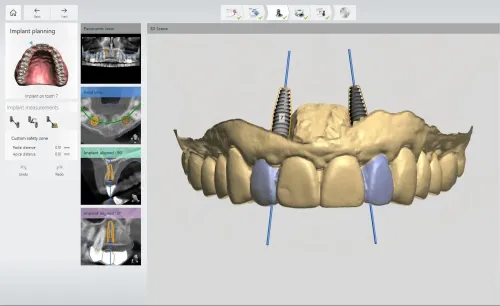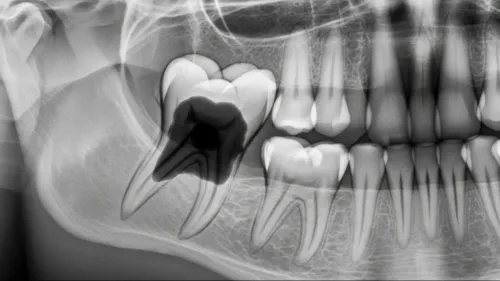

When a tooth is badly infected or damaged, patients often face a difficult decision:
“Should I save the tooth with a root canal, or remove it completely?”
If you’re in Thane, Mulund, or Mumbai, understanding the long-term impact of both options can help you make a confident, informed choice.
Understanding the Two Options
🦷 What Is a Root Canal?
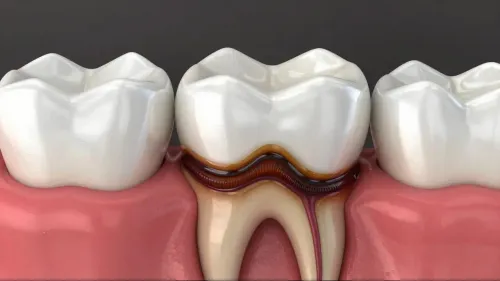
A root canal treatment (RCT) removes infection from inside the tooth, cleans the canals, and seals them. The tooth is then restored—usually with a crown—to function normally.
Goal: Save your natural tooth.
🦷 What Is Tooth Extraction?
Extraction involves removing the entire tooth from the jawbone. The space may later be replaced with:
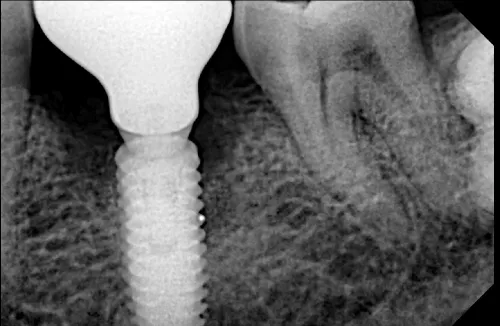
• A dental implant
• A bridge
• A removable denture
Goal: Remove infection when the tooth cannot be saved.
Why Dentists Prefer Saving Teeth When Possible
Modern dentistry follows a simple principle:
👉 Your natural tooth is always the best tooth—if it can be saved safely.
Root Canal – Long-Term Health Benefits
✅ 1. Preserves Natural Tooth Structure
A saved tooth:
• Maintains natural chewing efficiency
• Preserves jawbone stimulation
• Prevents shifting of neighbouring teeth
✅ 2. Better Bite & Jaw Balance
Natural teeth maintain:
• Proper bite alignment
• Balanced chewing forces
• Reduced strain on other teeth
✅ 3. Cost-Effective in the Long Run
Root canal + crown often costs less than extraction followed by implant or bridge.
✅ 4. Faster Recovery
• Minimal healing time
• No bone loss
• No surgical site
✅ 5. High Long-Term Success
A well-done root canal with a crown can last 10–20 years or more with good care.
When Is Extraction the Better Option?
Extraction may be recommended if:
• Tooth is severely cracked below the gum
• Advanced bone loss due to gum disease
• Vertical root fracture
• Failed root canal with no retreatment option
• Severe trauma
In these cases, saving the tooth may not be predictable.
Long-Term Consequences of Extraction
If a tooth is removed and not replaced, it can lead to:
❌ Jawbone loss
❌ Shifting of adjacent teeth
❌ Bite problems
❌ Facial collapse over time
❌ Chewing difficulty
That’s why replacement (implant/bridge) is usually advised after extraction.
Root Canal vs Extraction – Quick Comparison
AspectRoot CanalExtractionSaves natural tooth✅ Yes❌ NoBone preservation✅ Yes❌ NoChewing efficiencyNaturalReduced unless replacedTreatment timeShortLonger if replacement neededLong-term costLowerHigher with implant/bridgeRecoveryFasterSlower
What About Pain?
Root Canal:
• Modern RCT is mostly painless
• Discomfort comes from infection, not the treatment
Extraction:
• Involves surgical trauma
• Longer healing time
• More post-op care
How We Decide at Procare Dental LLP
At Procare Dental LLP (Thane & Mulund), we recommend extraction only when saving the tooth is not predictable or safe.
Our decision is based on:
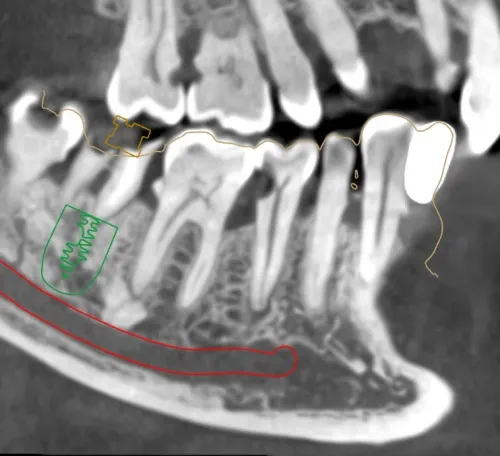
✔ Digital X-rays & CBCT
✔ Tooth structure assessment
✔ Bone support
✔ Long-term prognosis
✔ Patient comfort & preference
Ethics over shortcuts—always.
Final Takeaway
✔ Root canal is usually the better choice for long-term oral health
✔ Extraction is a last resort—not a first option
✔ Saving your natural tooth helps preserve jaw health, bite, and confidence
If a tooth can be saved responsibly, it usually should be.
Book a Tooth-Saving Consultation
📍 Clinics in Thane & Mulund
📞 7071876876
Keywords