Wisdom tooth removal is one of the most common oral surgical procedures. Most patients recover well with proper aftercare, but knowing what is normal during healing can make the recovery process much less stressful.
Whether you've had a simple extraction or surgical removal of an impacted wisdom tooth, following your dentist's instructions is essential for a smooth recovery.
If you're recovering from wisdom tooth removal in Thane or Mulund West Mumbai, here's a complete guide to what you can expect.
🦷 What Happens After Wisdom Tooth Removal?
Once the tooth is removed:
- A blood clot forms in the extraction socket.
- The gums begin to heal.
- New bone gradually fills the area over the following weeks and months.
The blood clot plays a crucial role in healing, so protecting it is one of the most important parts of recovery.
📅 Wisdom Tooth Recovery Timeline
First 24 Hours
This is the most important phase of healing.
You may experience:
✔ Mild bleeding or oozing
✔ Numbness from local anaesthesia
✔ Mild discomfort
✔ Swelling beginning to develop
During the First Day:
- Bite gently on the gauze as instructed.
- Rest and avoid strenuous activity.
- Apply an ice pack to the outside of your face (20 minutes on, 20 minutes off) during the first 24 hours to help reduce swelling.
- Take prescribed medications as directed.
Days 2–3
Swelling usually reaches its maximum during this period.
You may notice:
- Facial swelling
- Mild bruising
- Jaw stiffness
- Difficulty opening your mouth fully
These symptoms are generally expected and begin improving afterward.
Days 4–7
Most patients feel significantly better.
During this stage:
✔ Pain decreases
✔ Swelling starts reducing
✔ Eating becomes easier
✔ Normal daily activities gradually resume
If stitches are non-dissolvable, your dentist may arrange their removal around this time.
Weeks 2–4
The gums continue healing.
Most patients can:
- Eat normally
- Brush comfortably
- Return to regular activities
Although the gums heal relatively quickly, deeper bone healing continues for several weeks to months.
🍲 What Should You Eat?
First 24–48 Hours
Choose soft foods such as:
- Yogurt
- Mashed potatoes
- Smoothies (avoid using a straw)
- Soup (allow it to cool first)
- Soft rice
- Oatmeal
- Scrambled eggs
Foods to Avoid
Avoid:
❌ Nuts
❌ Popcorn
❌ Chips
❌ Spicy foods
❌ Hard or crunchy foods
❌ Very hot foods or drinks
These foods may irritate the surgical site or become trapped in the socket.
🪥 Oral Hygiene After Surgery
Good oral hygiene helps prevent infection.
Your dentist may recommend:
✔ Brushing your other teeth normally
✔ Cleaning carefully around the extraction site
✔ Gentle rinsing with warm salt water after the first 24 hours (if advised)
Avoid vigorous rinsing during the first day, as it may disturb the blood clot.
🚭 Why Should You Avoid Smoking?
Smoking significantly increases the risk of:
- Delayed healing
- Infection
- Dry socket
- Poor blood supply
Avoid smoking or using tobacco for as long as your dentist recommends after surgery.
⚠️ What Is Dry Socket?
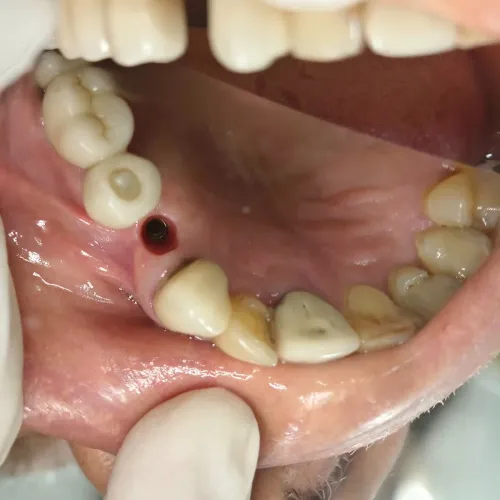
Dry socket occurs when the protective blood clot is lost before the extraction site has healed.
Symptoms usually appear 2–5 days after extraction and may include:
- Severe throbbing pain
- Pain spreading to the ear or jaw
- Bad taste or unpleasant breath
- An empty-looking socket where the clot has been lost
Dry socket requires professional dental treatment and should not be managed at home.
😌 How Can You Reduce Swelling?
Helpful measures include:
✔ Ice packs during the first 24 hours
✔ Sleeping with your head slightly elevated
✔ Taking medications as prescribed
✔ Getting adequate rest
Swelling generally begins improving after the third day.
🏃 When Can You Return to Work?
Many patients return to work or college within:
- 1–2 days after a simple extraction
- 2–4 days after surgical removal of impacted wisdom teeth
Recovery varies depending on the complexity of the procedure and the individual.
Avoid strenuous exercise for several days or as advised by your dentist.
🚨 When Should You Contact Your Dentist?
Seek dental advice if you experience:
- Increasing pain after the third day
- Persistent bleeding
- Fever
- Swelling that continues to worsen
- Pus or foul-smelling discharge
- Difficulty opening your mouth that does not improve
Seek urgent medical attention if you develop difficulty breathing or swallowing.
💻 Why Is Digital Imaging Important?
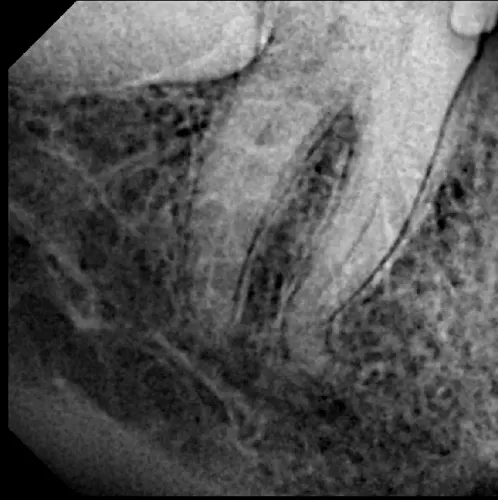
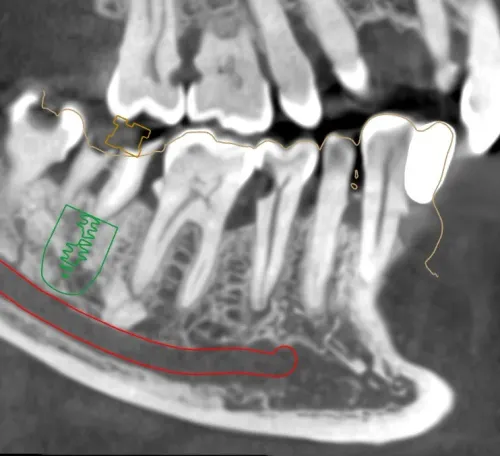
Before wisdom tooth removal, your dentist may use:
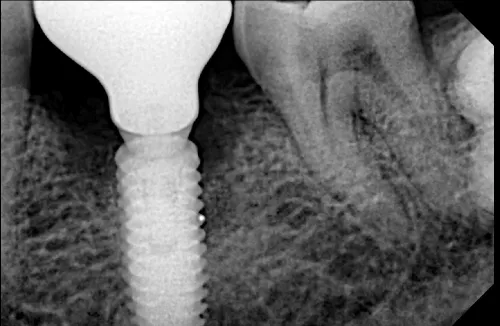
- Digital X-rays
- CBCT (3D scans), when indicated
These help assess:
✔ Tooth position
✔ Root shape
✔ Relationship to nearby nerves
✔ Surgical complexity
At Procare Dental LLP, digital imaging helps plan wisdom tooth surgery with greater precision and improve patient safety.
🏥 Tips for a Smooth Recovery
For the best healing:
✔ Follow all post-operative instructions
✔ Take medications exactly as prescribed
✔ Eat soft, nutritious foods
✔ Stay hydrated
✔ Avoid smoking and alcohol during the early healing period
✔ Attend your follow-up appointment if scheduled
These simple measures can help reduce complications and support faster recovery.
✅ Final Takeaway
Most patients recover from wisdom tooth removal within 1–2 weeks, although complete bone healing takes longer.
For a smoother recovery:
✔ Protect the blood clot
✔ Eat soft foods
✔ Maintain good oral hygiene
✔ Use ice packs during the first 24 hours
✔ Avoid smoking and strenuous activity
👉 If you experience severe pain, increasing swelling, persistent bleeding, or signs of infection, contact your dentist promptly. Early treatment can prevent complications and help ensure a comfortable recovery.
📍 Procare Dental LLP – Thane & Mulund
📍 Thane Branch: Nitin Company Junction, Prestige Gardens, Thane West
📞 7071876876
To know more tap on the link given below:
https://procaredental.in/latest-update/why-procare-dental-llp-is-a-trusted-dental-clinic-in-thane-mulund/290
Keywords