Wisdom teeth, also known as third molars, are the last teeth to erupt, usually between the ages of 17 and 25. While some wisdom teeth erupt normally and remain healthy, many become impacted or do not have enough space to grow properly.
An impacted wisdom tooth can lead to pain, swelling, infection, tooth decay, and damage to neighboring teeth. However, not every wisdom tooth needs to be removed. The decision depends on your symptoms, the position of the tooth, and your overall oral health.
If you're looking for wisdom tooth removal in Thane or Mulund West Mumbai, here's how to recognize when it's time to see a dentist.
🦷 What Is an Impacted Wisdom Tooth?
A wisdom tooth is considered impacted when it cannot fully erupt because there isn't enough space in the jaw.
It may be:
- Completely buried in the jawbone
- Partially erupted through the gums
- Growing sideways
- Tilted toward the neighboring tooth
Impacted wisdom teeth are more likely to cause problems over time.
🚨 Common Signs You May Need Wisdom Tooth Removal
1. Persistent Pain at the Back of Your Mouth
One of the earliest signs is pain behind the last molar.
The discomfort may:
- Come and go
- Worsen while chewing
- Radiate toward the ear or jaw
Persistent pain should always be evaluated.
2. Swollen or Red Gums
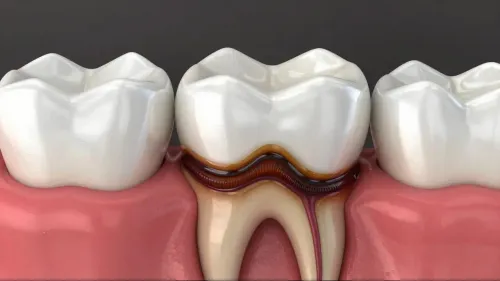
A partially erupted wisdom tooth can trap food and bacteria beneath the gum flap.
This may cause:
✔ Swelling
✔ Redness
✔ Tender gums
✔ Pain while brushing
This condition is called pericoronitis and often requires dental treatment.
3. Difficulty Opening Your Mouth
Inflammation around an impacted wisdom tooth may cause:
- Jaw stiffness
- Difficulty chewing
- Pain while opening the mouth fully
If these symptoms are severe or worsening, seek prompt dental evaluation.
4. Bad Breath or Bad Taste
Food particles and bacteria around a partially erupted wisdom tooth may lead to:
- Persistent bad breath
- Bad taste in the mouth
- Gum infection
Cleaning the area can be difficult because of its location.
5. Swelling of the Face
An infected wisdom tooth may cause swelling of:
- The cheek
- The jaw
- Nearby lymph nodes
Facial swelling should not be ignored, especially if it is increasing or associated with fever.
6. Damage to the Neighboring Tooth
A sideways-growing wisdom tooth may press against the second molar.
This can increase the risk of:
- Tooth decay
- Gum disease
- Root damage
- Bone loss around the neighboring tooth
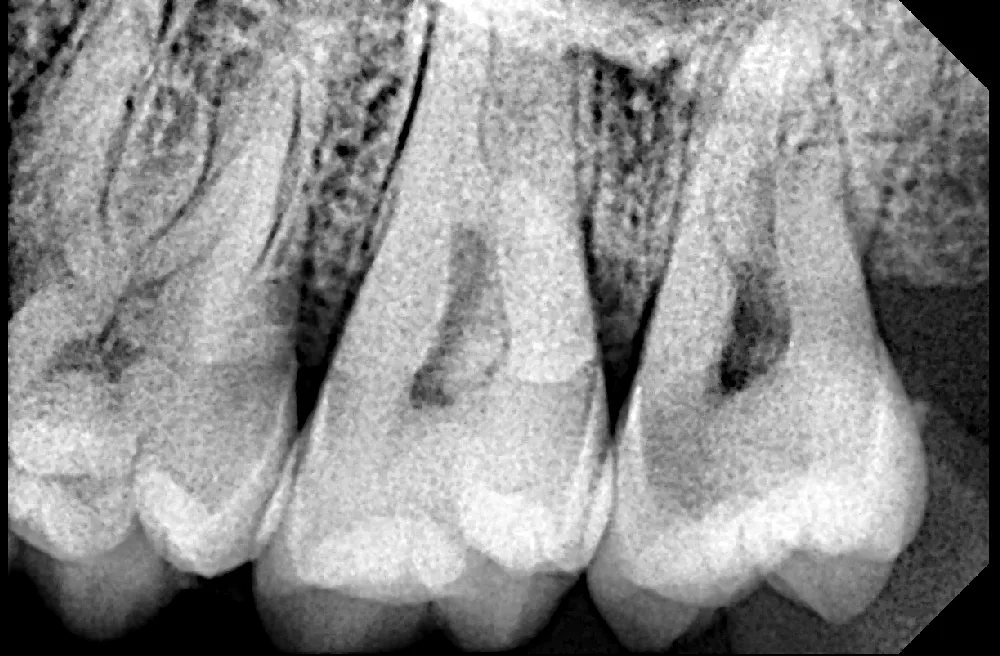
Regular dental X-rays help identify these problems early.
7. Repeated Gum Infections
If you repeatedly experience:
- Swollen gums
- Pain
- Difficulty chewing
around the same wisdom tooth, your dentist may recommend removal to prevent recurring infections.
❓ Do All Wisdom Teeth Need to Be Removed?
No.
Wisdom teeth do not automatically require extraction if they:
✔ Are fully erupted
✔ Are healthy
✔ Can be cleaned properly
✔ Do not damage nearby teeth
✔ Are free from infection or decay
Your dentist will assess whether monitoring or removal is the better option.
🩺 How Is the Decision Made?
Your dentist may perform:
- Clinical examination
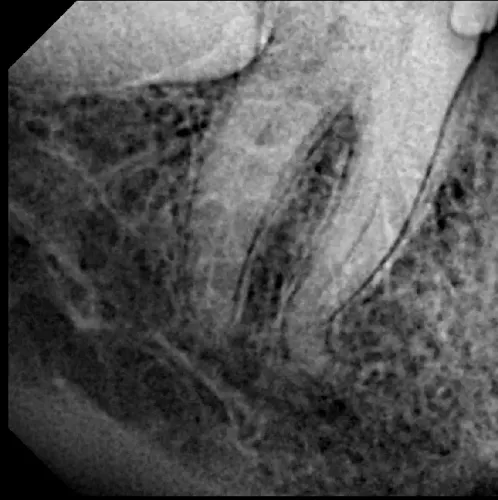
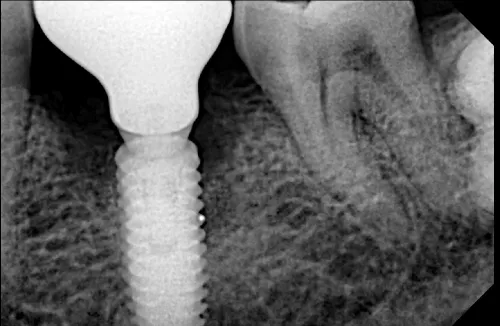
- Digital X-rays
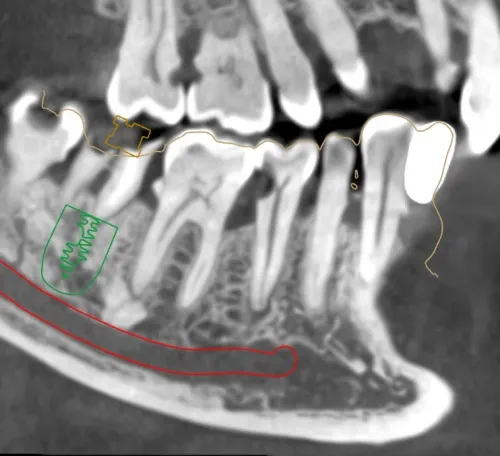
- CBCT (3D scan), when indicated
These help evaluate:
✔ Tooth position
✔ Root development
✔ Bone support
✔ Relationship to nearby nerves
✔ Signs of infection or damage
At Procare Dental LLP, digital imaging is used to assess impacted wisdom teeth and plan safe, individualized treatment.
⚙️ What Happens During Wisdom Tooth Removal?
The procedure usually involves:
- Local anaesthesia (or other sedation options where appropriate)
- Gentle removal of the tooth
- Cleaning of the area
- Placement of stitches if required
Simple extractions are usually quicker than surgical removal of impacted teeth.
😌 Is Wisdom Tooth Removal Painful?
During the procedure:
✔ Local anaesthesia helps keep you comfortable.
After the procedure, it is normal to experience:
- Mild swelling
- Tenderness
- Slight jaw stiffness
These symptoms generally improve over several days with appropriate aftercare and medication prescribed by your dentist.
⏱️ Recovery Timeline
StageTypical Healing TimeInitial Blood Clot FormationFirst 24 hoursSwelling Peaks2–3 daysGum Healing1–2 weeksBone HealingSeveral weeks to a few months
Healing times vary depending on the complexity of the extraction and individual factors.
💡 Tips for Faster Recovery
After wisdom tooth removal:
✔ Bite gently on the gauze as instructed
✔ Eat soft foods for the first few days
✔ Stay hydrated
✔ Brush carefully around the extraction site
✔ Avoid smoking and tobacco
✔ Avoid vigorous rinsing or using a straw during the initial healing period, as advised by your dentist
Following post-operative instructions helps reduce the risk of complications such as dry socket.
🚨 When Should You Contact Your Dentist?
Contact your dentist if you notice:
- Increasing pain after the first few days
- Persistent bleeding
- Fever
- Swelling that continues to worsen
- Pus or bad-smelling discharge
- Difficulty swallowing or breathing
Difficulty breathing or swallowing requires urgent medical attention.
💰 What Does Wisdom Tooth Removal Cost?
The cost depends on:
- Whether the tooth is erupted or impacted
- Surgical complexity
- Number of wisdom teeth removed
- Imaging required
- Type of anaesthesia or sedation used
Your dentist will provide a treatment estimate after examining your tooth and reviewing your X-rays.
✅ Final Takeaway
Not every wisdom tooth needs to be removed, but certain symptoms should not be ignored.
Common signs include:
✔ Pain at the back of the mouth
✔ Swollen or infected gums
✔ Difficulty opening the mouth
✔ Repeated infections
✔ Damage to neighboring teeth
✔ Facial swelling
👉 If you're experiencing any of these symptoms, a dental examination and appropriate imaging can determine whether monitoring or wisdom tooth removal is the best option for protecting your long-term oral health.
📍 Procare Dental LLP – Thane & Mulund
📍 Thane Branch: Nitin Company Junction, Prestige Gardens, Thane West
📞 7071876876
To know more tap on the link given below:
https://procaredental.in/latest-update/why-procare-dental-llp-is-a-trusted-dental-clinic-in-thane-mulund/290
Keywords