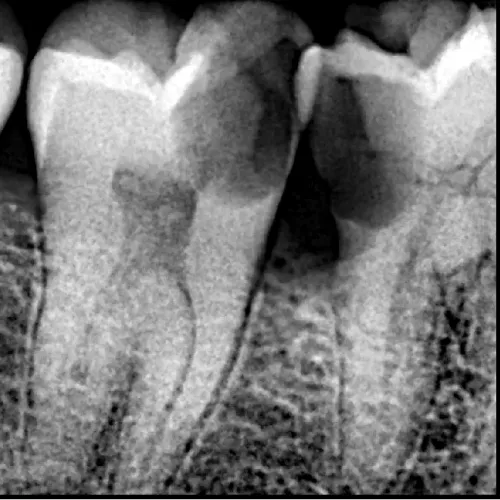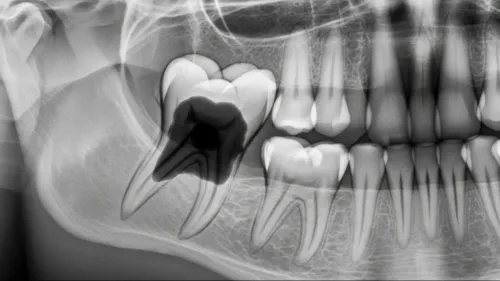
If you have a severely damaged or infected tooth, your dentist may recommend either root canal treatment or tooth extraction.
Many patients ask:
'Should I save my tooth with a root canal, or is it better to remove it?'
In most cases, saving your natural tooth is the preferred option whenever it can be predictably restored. However, if the tooth cannot be repaired due to extensive damage, severe fracture, or inadequate support, extraction may be the better choice.
If you're considering root canal treatment or tooth extraction in Thane or Mulund West Mumbai, here's what you need to know.
🦷 What Is Root Canal Treatment?
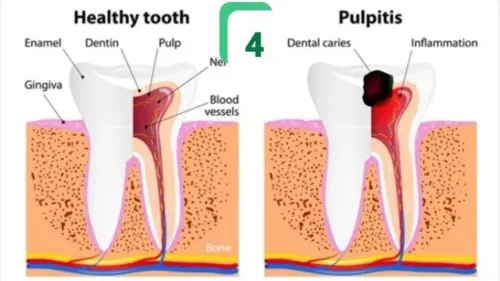
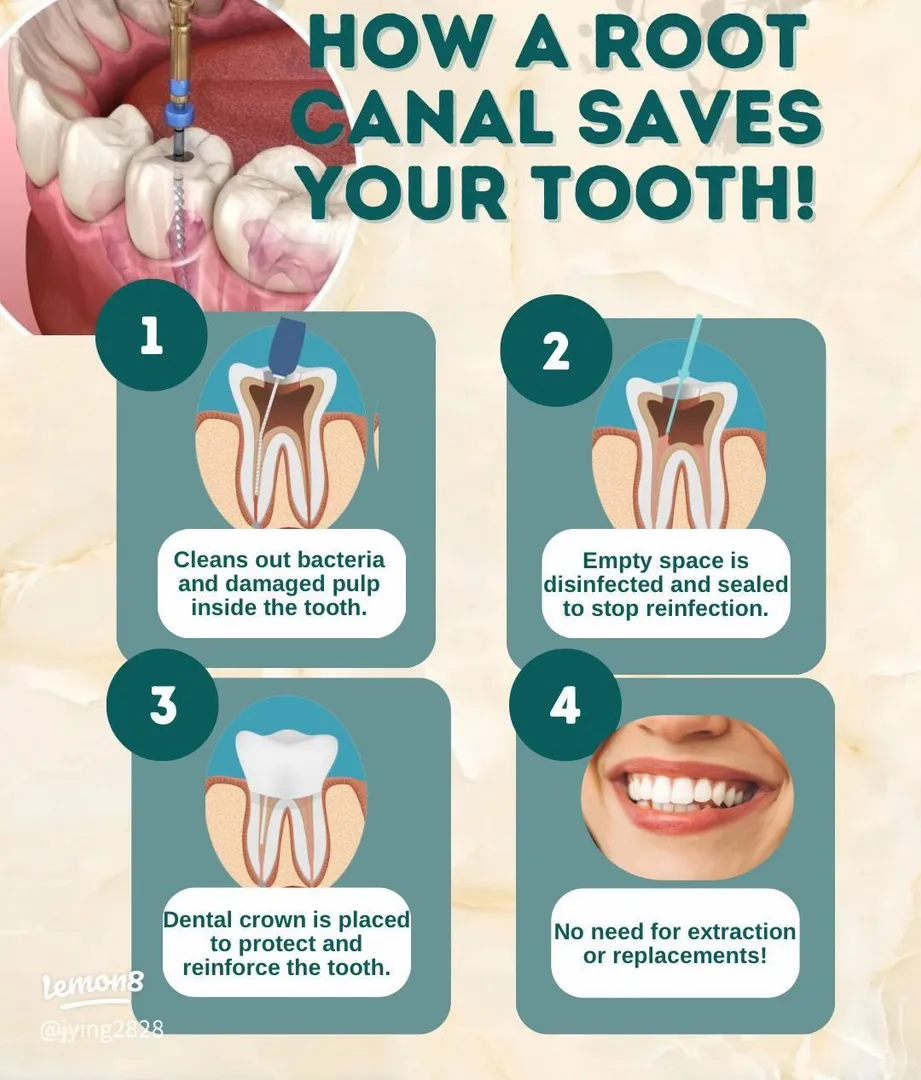
Root canal treatment (RCT) removes infected or inflamed pulp from inside the tooth while preserving the natural tooth.
The procedure involves:
- Removing the infected pulp
- Cleaning and disinfecting the root canals
- Filling and sealing the canals
- Restoring the tooth with a filling, onlay, or crown when indicated
The goal is to eliminate infection while keeping your natural tooth functional.
🦷 What Is Tooth Extraction?
Extraction involves removing the entire tooth from the jawbone.
After healing, the missing tooth can be replaced with:
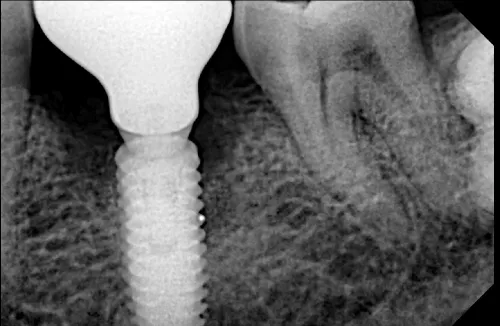
- A dental implant
- A dental bridge
- A removable denture
Extraction is generally recommended only when the tooth cannot be predictably saved.
⚖️ Root Canal vs Extraction
FeatureRoot Canal TreatmentTooth ExtractionPreserves Natural Tooth✅ Yes❌ NoRemoves Infection✅ Yes✅ YesChewing FunctionMaintained with restorationReduced until replacementBone PreservationBetterBone loss may occur after extractionAdditional TreatmentCrown may be neededReplacement often recommendedOverall GoalSave the toothRemove an unsalvageable tooth
👨⚕️ When Is a Root Canal Recommended?
Root canal treatment may be suitable if:
✔ The tooth is restorable
✔ There is sufficient healthy tooth structure remaining
✔ The supporting bone is healthy
✔ The tooth is not fractured beyond repair
✔ Long-term restoration is possible
Saving the natural tooth often provides the most conservative long-term solution.
🚨 When Is Extraction the Better Option?
Extraction may be recommended when:
- The tooth has a vertical root fracture
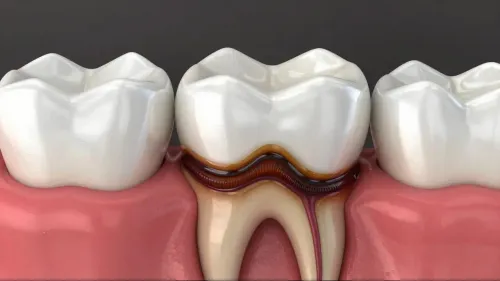
- Severe decay extends below the gum line
- There is extensive bone loss from advanced gum disease
- The tooth cannot be predictably restored
- Previous treatments have failed and the tooth cannot be successfully retreated
Your dentist will explain why extraction is recommended if the tooth has a poor long-term prognosis.
💰 Cost Comparison
Root Canal Treatment
Approximate cost:
₹4,000–₹12,000+
Additional costs may include:
- Crown
- Build-up
- Digital X-rays
Extraction + Dental Implant
Approximate combined cost:
₹30,000–₹80,000+
This may include:
- Tooth extraction
- Bone graft (if required)
- Dental implant
- Abutment
- Final crown
Although extraction alone may cost less initially, replacing the missing tooth often increases the overall treatment cost.
🦴 What Happens If You Don't Replace an Extracted Tooth?
Leaving a missing tooth untreated may lead to:
- Bone loss
- Shifting of neighboring teeth
- Bite changes
- Difficulty chewing
- Increased wear on remaining teeth
If extraction is necessary, your dentist will discuss replacement options to restore function and maintain oral health.
😌 Is Root Canal More Painful Than Extraction?
Modern dentistry makes both procedures comfortable.
With local anaesthesia:
✔ Root canal treatment is generally well tolerated.
✔ Tooth extraction is also performed under effective anaesthesia.
Many patients report that a root canal feels similar to having a routine filling.
After either procedure, mild discomfort for a few days is common and usually manageable with appropriate care.
⏱️ Recovery Time
ProcedureTypical RecoveryRoot Canal1–3 days of mild tendernessSimple Extraction1–2 weeks for gum healingImplant After ExtractionHealing varies; implant placement may occur immediately in selected cases or after healing
Your dentist will recommend the appropriate timeline based on your clinical situation.
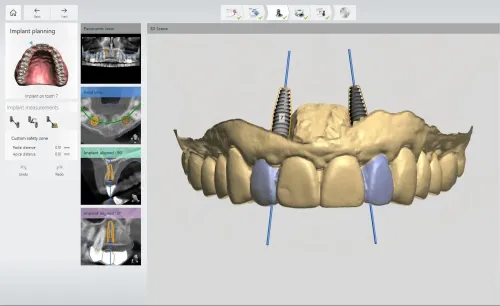
💻 How Does Digital Technology Help?
Modern treatment planning may include:
- Digital X-rays
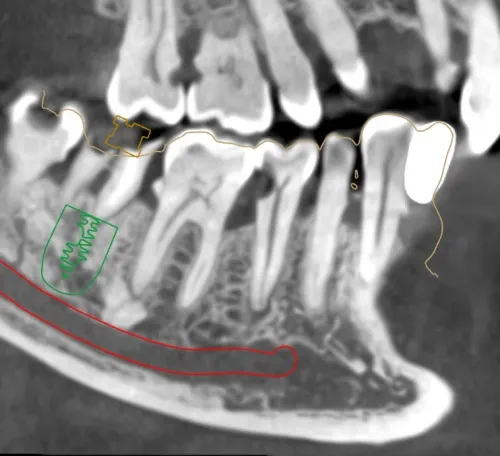
- CBCT (3D) scans
- Intraoral scanning
These tools help assess:
✔ Tooth restorability
✔ Bone support
✔ Root anatomy
✔ Fractures
✔ Implant planning if extraction is required
At Procare Dental LLP, CBCT imaging and comprehensive clinical evaluation help determine whether a tooth can be predictably saved or whether extraction is the more appropriate option.
🏥 Can an Extracted Tooth Be Replaced?
Yes.
After extraction, common replacement options include:
Dental Implant
✔ Preserves jawbone
✔ Does not rely on neighboring teeth
✔ Long-lasting solution
Dental Bridge
✔ Fixed replacement
✔ Suitable when adjacent teeth require crowns
Denture
✔ Replaces one or more missing teeth
✔ Removable and cost-effective
Your dentist will recommend the most suitable option based on your oral health and long-term goals.
✅ Final Takeaway
Whenever possible, saving your natural tooth with root canal treatment is usually the preferred option.
Choose Root Canal Treatment if:
✔ The tooth can be predictably restored
✔ You want to preserve your natural tooth
✔ There is adequate tooth and bone support
Choose Extraction if:
✔ The tooth cannot be repaired
✔ There is a severe fracture or extensive damage
✔ Long-term prognosis is poor
👉 The best decision depends on a thorough clinical examination, X-rays, and sometimes a CBCT scan. Your dentist will recommend the treatment that offers the best chance of long-term oral health and function.
📍 Procare Dental LLP – Thane & Mulund
📍 Thane Branch: Nitin Company Junction, Prestige Gardens, Thane West
📞 7071876876
To know more tap on the link given below :
Keywords