Root canal treatment is a highly successful procedure that helps save infected or damaged teeth. However, like any dental treatment, a small percentage of cases may not heal as expected or may develop problems months or even years later.
A failed root canal does not always mean the tooth must be extracted. In many cases, retreatment or other procedures can help save the tooth.
If you're experiencing pain after a previous root canal treatment in Thane or Mulund West Mumbai, here's what you should know.
🦷 What Is a Failed Root Canal?
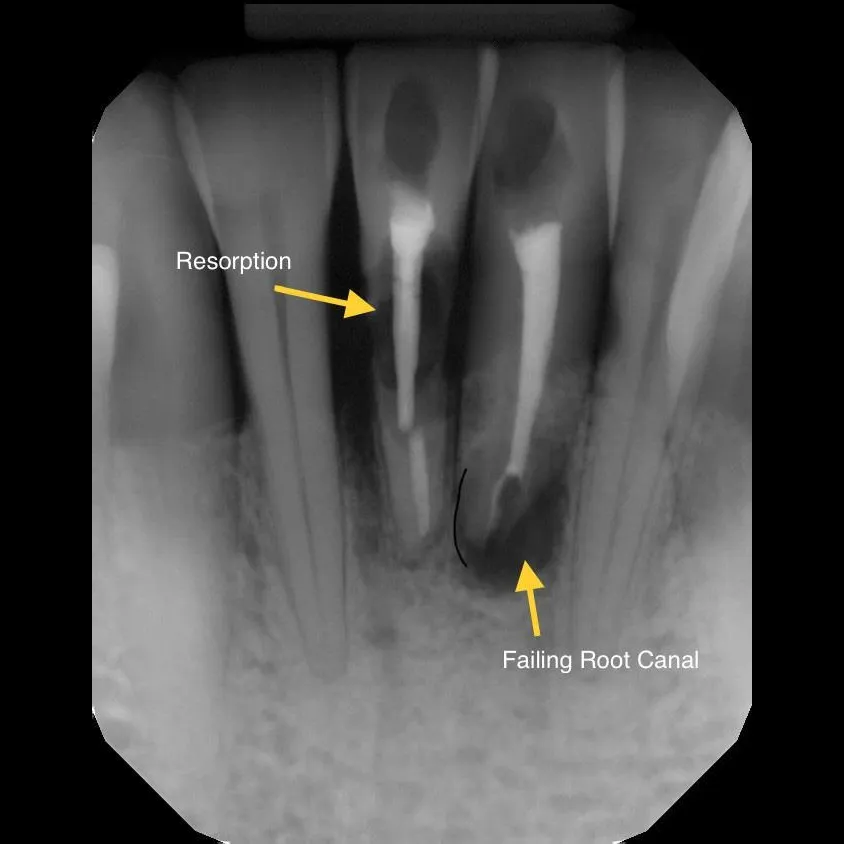
A failed root canal occurs when a tooth continues to have symptoms or develops a new infection after root canal treatment.
This may happen:
- Soon after treatment
- Months later
- Several years later
Many root canal-treated teeth function successfully for years, but persistent or recurring symptoms should always be evaluated.
🚨 Signs of a Failed Root Canal
Common symptoms include:
✔ Pain while chewing
✔ Persistent toothache
✔ Swelling of the gums or face
✔ A pimple or boil on the gum (dental abscess)
✔ Sensitivity when biting
✔ Bad taste or drainage near the tooth
✔ A loose crown or filling
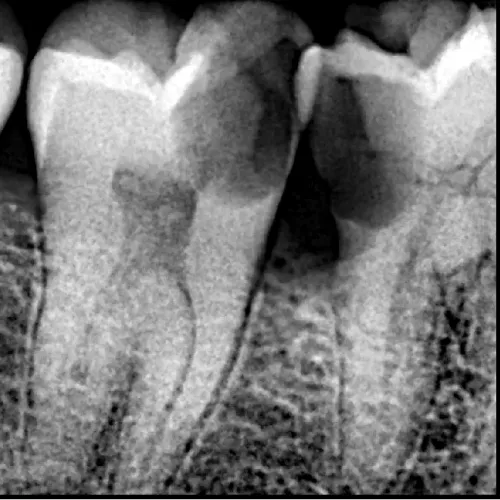
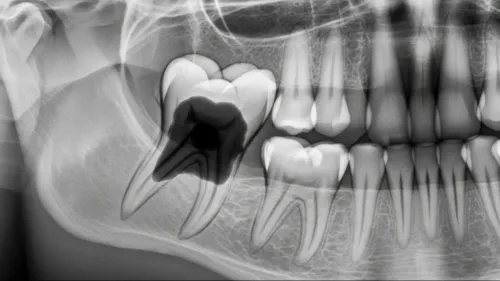
Some patients have no symptoms, and the problem is only detected during a routine dental X-ray.
❓ Why Can a Root Canal Fail?
Several factors may contribute, including:
1. Complex Root Canal Anatomy
Some teeth have:
- Very narrow canals
- Curved canals
- Extra canals
These can make treatment more challenging.
2. Persistent Infection
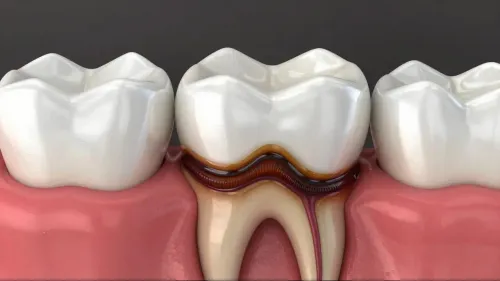
Bacteria may remain inside the canal system or re-enter the tooth if the seal is compromised.
3. Delayed Final Restoration
If the tooth is not restored promptly with the recommended filling, onlay, or crown, bacteria may leak into the root canal system.
4. Tooth Fracture
A crack developing after treatment can allow bacteria to enter the tooth and surrounding tissues.
5. New Decay
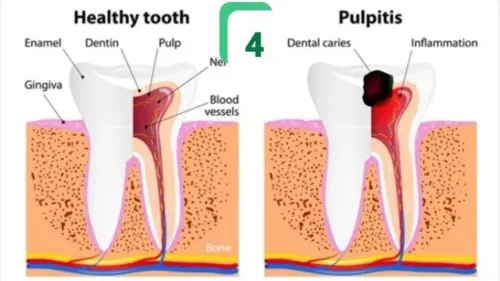
A cavity around an existing restoration can expose the treated tooth to bacteria.
🩺 How Is a Failed Root Canal Diagnosed?
Your dentist may perform:
- Clinical examination
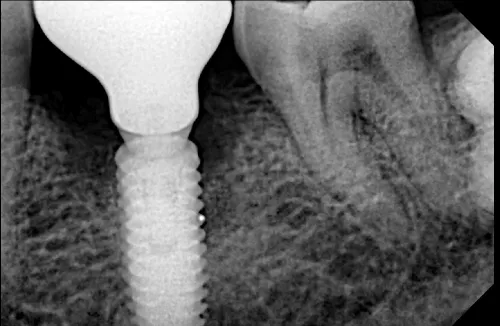
- Digital X-rays
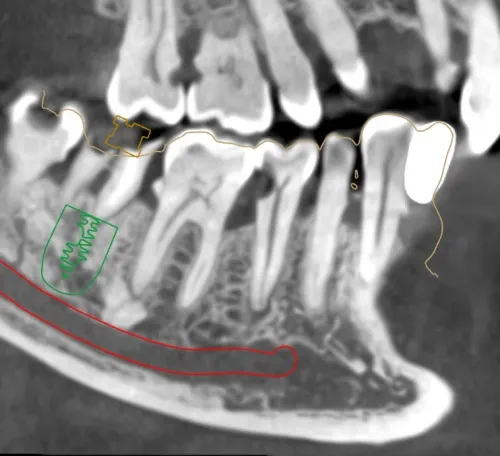
- CBCT (3D scan), when indicated
- Bite assessment
- Evaluation of the crown or filling
CBCT imaging can help identify hidden canals, fractures, or areas of persistent infection that may not be visible on conventional X-rays.
At Procare Dental LLP, advanced imaging and comprehensive evaluation help determine the cause of symptoms and guide the most appropriate treatment.
🔄 Can a Failed Root Canal Be Treated?
Yes. Treatment depends on the reason for failure.
1. Root Canal Retreatment
The existing filling material is removed, the canals are cleaned and disinfected again, and the tooth is resealed.
This is often the first option if the tooth is still restorable.
2. Apicoectomy (Root-End Surgery)
If retreatment alone is unlikely to resolve the problem, an endodontic surgical procedure called an apicoectomy may be recommended.
During this procedure:
- The tip of the root is accessed through the gum.
- Infected tissue is removed.
- The end of the root is sealed.
3. Tooth Extraction
If the tooth has:
- A vertical root fracture
- Extensive decay below the gum line
- Severe bone loss
- Damage beyond repair
Extraction may be the best option.
The missing tooth can often be replaced with a dental implant, bridge, or denture.
⚖️ Root Canal Retreatment vs Extraction
FeatureRetreatmentExtractionPreserves Natural Tooth✅ Yes❌ NoRemoves Persistent Infection✅ Often✅ YesAdditional RestorationUsually neededTooth replacement often recommendedBone PreservationBetterBone loss may occur without replacement
Whenever the tooth has a good long-term prognosis, preserving the natural tooth is generally preferred.
😌 Is Retreatment Painful?
Root canal retreatment is usually performed under local anaesthesia and is generally comfortable.
Because retreatment can be more complex than the initial procedure, the appointment may take longer.
Some mild soreness afterward is common and usually improves within a few days.
💰 Cost of Root Canal Retreatment
The cost depends on:
- Tooth location
- Complexity
- Previous restoration
- Need for CBCT imaging
- Need for surgery or a new crown
Retreatment generally costs more than an initial root canal because of the additional complexity involved.
🦷 How Can You Reduce the Risk of Root Canal Failure?
You can help protect your treated tooth by:
✔ Getting the recommended crown or final restoration promptly
✔ Brushing twice daily
✔ Flossing every day
✔ Attending regular dental check-ups
✔ Avoiding chewing very hard foods on weakened teeth
✔ Wearing a night guard if you grind your teeth
Good oral hygiene and timely restorative treatment play an important role in long-term success.
🏥 When Should You See Your Dentist?
Book an appointment if you experience:
- Persistent pain
- Swelling
- Pain when biting
- A loose crown
- Gum boils
- Bad taste around the tooth
- Symptoms returning months or years after treatment
Early evaluation often provides more treatment options and may improve the chances of saving the tooth.
✅ Final Takeaway
A failed root canal does not automatically mean tooth loss.
Many teeth can be successfully managed with:
✔ Root canal retreatment
✔ Apicoectomy (root-end surgery)
✔ Replacement of a leaking restoration or crown
Extraction is usually considered only when the tooth cannot be predictably saved.
👉 If you develop pain or swelling after a previous root canal, don't ignore it. A timely examination and appropriate imaging can help identify the cause and determine the most suitable treatment.
📍 Procare Dental LLP – Thane & Mulund
📍 Thane Branch: Nitin Company Junction, Prestige Gardens, Thane West
📞 7071876876
To know more tap on the link given below:
https://www.procaredental.in/latest-update/how-long-does-root-canal-treatment-take-timeline-explained-by-dentists-in-mulund-west-mumbai/412
Keywords