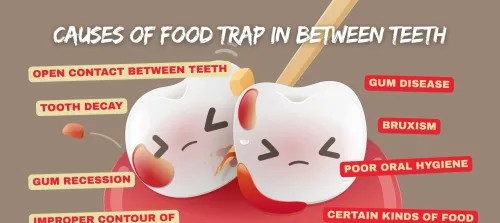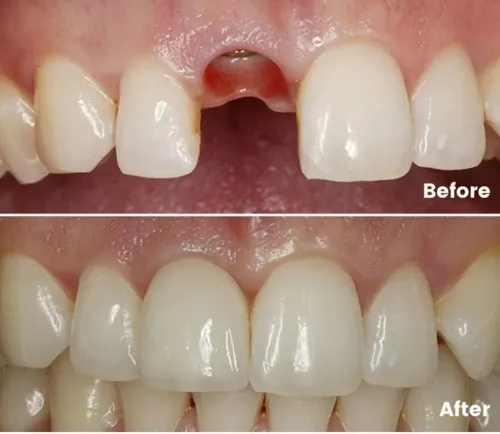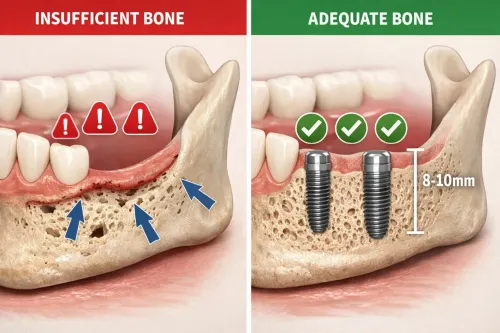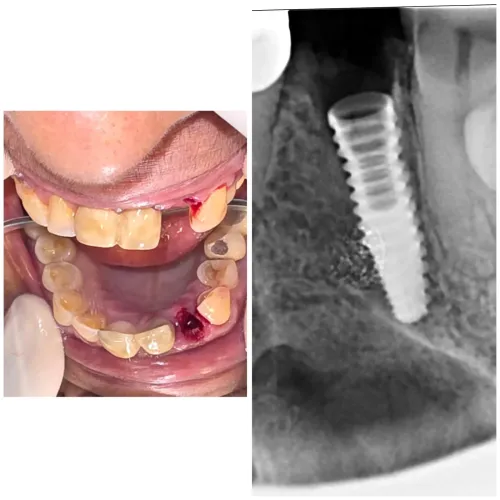
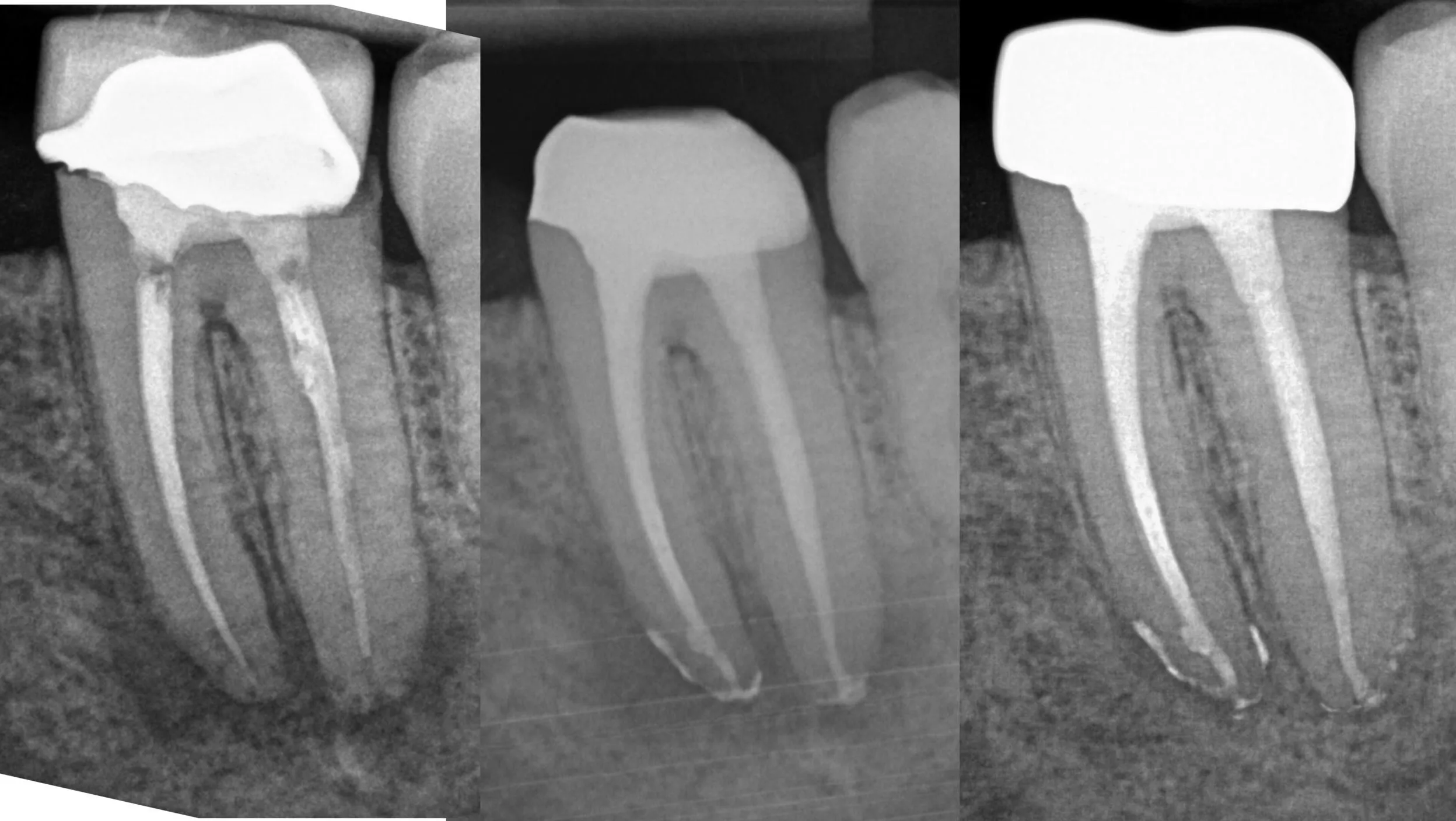
After completing a root canal treatment, many patients ask:
“The pain is gone and the root canal is finished—do I really need a crown?”
The answer depends on which tooth was treated and how much healthy tooth structure remains. Many root canal-treated back teeth benefit from a crown or another type of cuspal-coverage restoration because they may be more vulnerable to fracture.
However, not every root canal-treated tooth automatically needs a crown.
For patients undergoing root canal treatment in Thane or Mulund West Mumbai, here's what you should know before deciding on the final restoration.
🦷 Why Does a Root Canal-Treated Tooth Need Protection?
During root canal treatment, infected or inflamed pulp is removed and the canals inside the tooth are cleaned, disinfected, and sealed.
But the tooth may already have lost considerable structure because of:
- Deep decay
- Large previous fillings
- Cracks or fractures
- The access opening required for root canal treatment
The main concern after root canal treatment is therefore often structural strength, especially in molars and premolars that experience substantial chewing forces.
👑 What Does a Crown Do?
A dental crown covers the visible portion of a tooth and helps restore its:
Strength + Shape + Function + Appearance
For a weakened back tooth, the crown helps protect the cusps and distribute chewing forces across the tooth.
Depending on the clinical situation, your dentist may recommend a full crown, onlay, or another cuspal-coverage restoration.
⚠️ What Happens If You Don't Get a Crown?
If your dentist recommends a crown but the tooth is left with an inadequate restoration, the tooth may be more vulnerable to:
- Cracking
- Cusp fracture
- Breakdown of the restoration
- Leakage or recurrent decay
- Severe fracture that makes the tooth difficult or impossible to save
Importantly, a root canal-treated tooth may not give the same warning symptoms as a vital tooth. A fracture can therefore become significant before you notice a problem.
🦷 Do All Root Canal-Treated Teeth Need Crowns?
No.
The decision depends on the tooth and how much structure remains.
Molars: Crowns or other cuspal-coverage restorations are commonly recommended because molars experience high chewing forces.
Premolars: Frequently require protection as well, particularly when substantial tooth structure has been lost.
Front teeth: A crown may not be necessary when the tooth remains structurally sound and only a small access cavity was required. A conservative bonded restoration may sometimes be preferable.
A crown may still be needed on a front tooth if it is heavily damaged, fractured, extensively restored, or requires significant aesthetic correction.
⏱️ When Should the Crown Be Placed?
Once the root canal has been completed and the dentist is satisfied that the tooth is ready for definitive restoration, the tooth should generally be restored without unnecessary delay.
The exact timing depends on factors such as infection, symptoms, remaining tooth structure, and whether additional treatment is required.
Until the final restoration is completed, avoid putting excessive chewing forces on the treated tooth if advised by your dentist.
🔩 Do You Need a Post After Root Canal Treatment?
Another common misconception is:
“Root canal means post + crown.”
Not necessarily.
A post is used when there isn't enough remaining tooth structure to retain the restoration.
Its purpose is primarily to retain the core, not to strengthen the tooth.
If adequate healthy tooth structure remains, a post may not be required.
💎 Which Crown Is Best After Root Canal Treatment?
Several materials are available, including:
Zirconia: Strong and aesthetic, commonly used for posterior teeth.
Lithium disilicate/ceramic: Excellent aesthetics and useful in appropriately selected cases.
Porcelain-fused-to-metal (PFM): A long-established option combining a metal substructure with porcelain.
The ideal material depends on the location of the tooth, remaining structure, bite, aesthetic requirements, and available restorative space.
💻 How Are Modern Crowns Made?
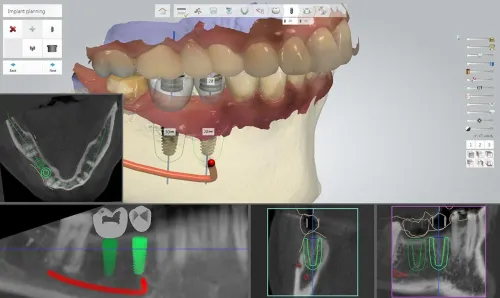
Digital dentistry can make crown treatment more comfortable and precise.
A modern workflow may include:
Tooth preparation → Intraoral digital scan → Digital crown design → Laboratory/CAD-CAM fabrication → Trial → Final bonding or cementation
Digital scanning can eliminate the need for conventional impression material in many cases.
😌 Is Crown Placement Painful After a Root Canal?
Crown preparation is generally comfortable.
Although the nerve tissue inside the tooth has been removed during root canal treatment, the surrounding gums and supporting tissues are still capable of sensation. Local anaesthesia may therefore be used during crown preparation when necessary.
Some mild gum or biting sensitivity can occur temporarily after treatment.
🪥 How Long Does a Crown Last?
A well-made and well-maintained crown can often function for 10–15 years or considerably longer, but there is no guaranteed lifespan.
Longevity depends on:
- Oral hygiene
- Bite forces
- Remaining tooth structure
- Crown material
- Teeth grinding or clenching
- Diet and habits
- Regular dental maintenance
The tooth beneath the crown can still develop decay, so good oral hygiene remains essential.
🚨 Signs a Root Canal-Treated Tooth Needs Attention
Contact your dentist if you notice:
Pain when biting, swelling or a gum boil, a loose crown, a cracked tooth or crown, food repeatedly getting trapped around the restoration, or a change in your bite.
A root canal removes the pulp inside the tooth, but the tissues surrounding the root can still become inflamed or infected.
🏥 Crown After Root Canal in Thane & Mulund West Mumbai
At Procare Dental LLP, the final restoration after root canal treatment can be planned according to the remaining tooth structure, bite, location of the tooth, functional requirements, and aesthetics.
Digital scanning and modern restorative materials can be used to create crowns designed to restore both function and natural appearance.
The goal is not simply to complete the root canal—it is to preserve and restore the tooth for long-term use.
✅ Final Takeaway
Does every root canal need a crown? No.
But for many molars and premolars, protecting the tooth with a crown or another appropriate cuspal-coverage restoration can be an important part of long-term treatment.
The right restoration depends on how much healthy tooth remains—not simply on whether a root canal was performed.
Procare Dental LLP – Thane & Mulund West, Mumbai
Call: 7071876876
To know more tap on the link given below:
https://www.procaredental.in/latest-update/how-long-does-root-canal-treatment-take-timeline-explained-by-dentists-in-mulund-west-mumbai/412
Keywords