Root canal treatment has a very high success rate and is designed to save natural teeth for many years. Yet, some patients return months or even years later with pain, swelling, or infection and ask:
“Why did my root canal fail?”
The honest answer is:
👉 Root canals don’t fail suddenly—there is always an underlying reason.
If you’re in Thane, Mulund, or Mumbai, here’s a clear, patient-friendly explanation of why some root canals fail, how to identify it early, and what can be done.
First, What Does “Root Canal Failure” Mean?
A root canal is considered a failure when:
• Pain or swelling returns
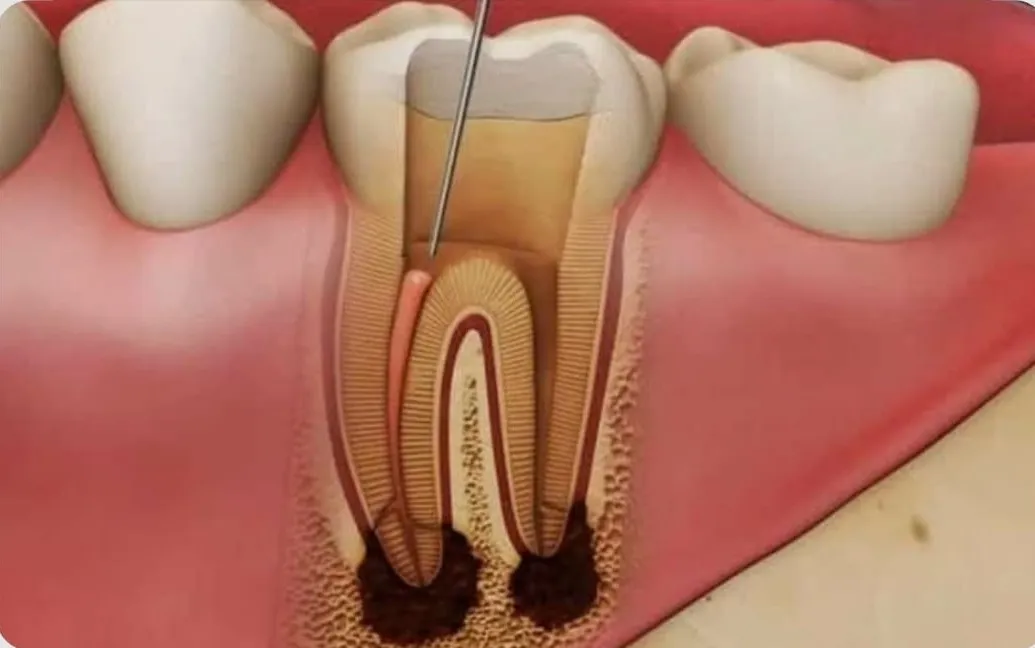
• Infection reappears
• A sinus tract (gum pimple) forms
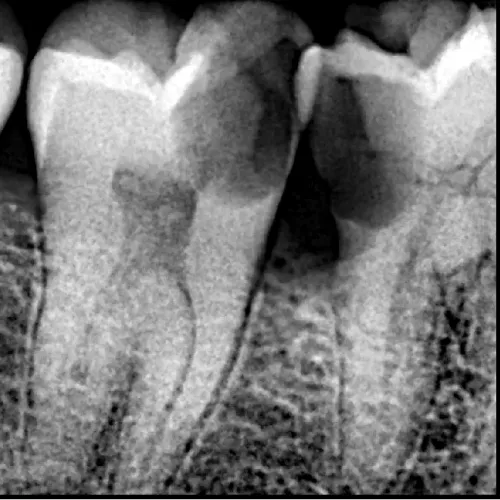
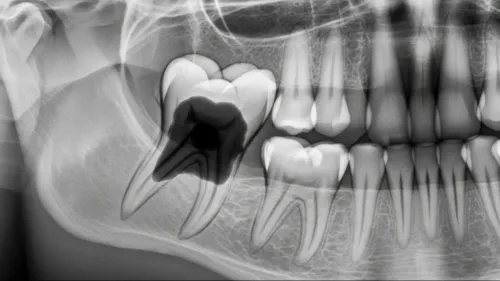
• X-rays show persistent infection
Failure may occur weeks, months, or even years later.
1. Missed Canals (Most Common Reason)
Teeth often have complex root anatomy.
• Molars can have extra or hidden canals
• Narrow canals may be missed
• Untreated canals still contain bacteria
👉 Even one missed canal can cause reinfection.
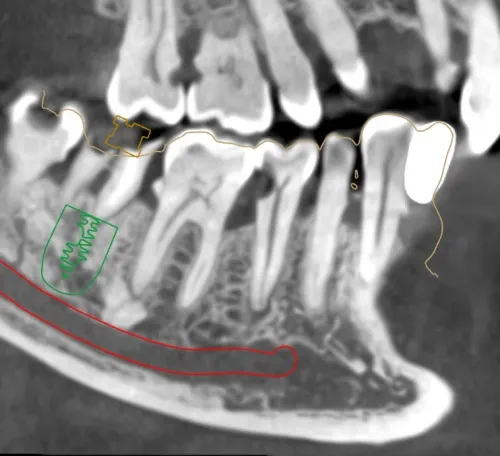
Modern tools like CBCT scans and magnification significantly reduce this risk.
2. Incomplete Cleaning of the Root Canal System
Root canals are not straight pipes—they are:
• Curved
• Narrow
• Branching
If cleaning is incomplete:
• Bacteria remain
• Infection persists
• Healing is compromised
Thorough disinfection is critical.
3. Delay or Absence of a Crown After Root Canal
This is a very common and preventable cause.
After a root canal:
• The tooth becomes brittle
• Micro-cracks can form
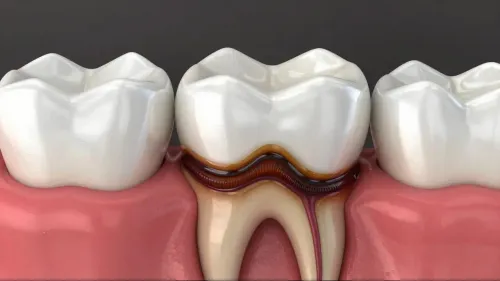
• Bacteria can re-enter
❌ Skipping or delaying a crown allows leakage and fracture
✔ A crown seals and protects the tooth
4. Leakage Due to Broken or Loose Fillings
Over time:
• Fillings can crack
• Crowns can loosen
• Cement can dissolve
This creates pathways for bacteria to enter the tooth again.
Regular follow-ups help detect this early.
5. New Decay Around the Treated Tooth
Even a root canal–treated tooth:
• Can still get cavities
• Can be affected by poor oral hygiene
Decay can expose the root canal filling, leading to reinfection.
6. Crack or Fracture in the Tooth
Cracks may occur due to:
• Teeth grinding
• Biting hard foods
• Trauma
Some cracks are microscopic and hard to detect initially—but they allow bacteria to reach deep inside the tooth.
7. Persistent or Resistant Bacteria
In rare cases:
• Certain bacteria survive treatment
• Infection is slow-growing
• Symptoms appear much later
This is why some failures occur years after treatment.
8. Complex Anatomy or Calcified Canals
Older teeth or previously treated teeth may have:
• Calcified canals
• Extremely narrow pathways
These make cleaning and sealing more challenging.
How Do You Know If a Root Canal Is Failing?
Warning signs include:
❗ Pain on biting
❗ Swelling or pus
❗ Gum boil near the tooth
❗ Persistent sensitivity
❗ Bad taste or smell
Any of these need immediate evaluation.
Can a Failed Root Canal Be Saved?
✅ Often, YES
Treatment options may include:
• Root canal retreatment
• Removal of old filling and reinfection control
• Surgical root-end treatment (apicoectomy)
Early detection improves success.
When Does Extraction Become Necessary?
Extraction may be required if:
❌ Tooth is vertically fractured
❌ Bone loss is severe
❌ Tooth structure is unsalvageable
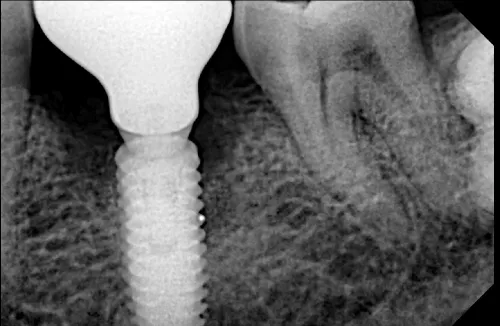
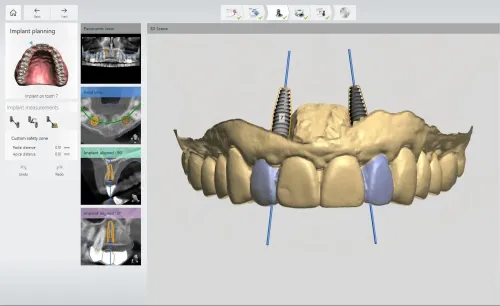
Even then, implants are an excellent replacement option.
How Procare Dental LLP Minimises Root Canal Failures
At Procare Dental LLP (Thane & Mulund), we focus on prevention and precision.
We use:
✔ Digital X-rays & CBCT when required
✔ Advanced cleaning techniques
✔ Proper disinfection protocols
✔ Emphasis on timely crown placement
✔ Honest long-term follow-up advice
Our goal is one successful treatment—not repeat procedures.
Final Takeaway
✔ Root canals fail for specific reasons—not randomly
✔ Most failures are preventable
✔ Early follow-up and crowns matter
✔ Many failed root canals can still be saved
If you’ve had a root canal and notice symptoms, don’t ignore them.
Book a Root Canal Evaluation or Second Opinion
📍 Clinics in Thane & Mulund
📞 7071876876
🌐 www.procaredental.in
“Why did my root canal fail?”
The honest answer is:
👉 Root canals don’t fail suddenly—there is always an underlying reason.
If you’re in Thane, Mulund, or Mumbai, here’s a clear, patient-friendly explanation of why some root canals fail, how to identify it early, and what can be done.
First, What Does “Root Canal Failure” Mean?
A root canal is considered a failure when:
• Pain or swelling returns
• Infection reappears
• A sinus tract (gum pimple) forms
• X-rays show persistent infection
Failure may occur weeks, months, or even years later.
1. Missed Canals (Most Common Reason)
Teeth often have complex root anatomy.
• Molars can have extra or hidden canals
• Narrow canals may be missed
• Untreated canals still contain bacteria
👉 Even one missed canal can cause reinfection.
Modern tools like CBCT scans and magnification significantly reduce this risk.
2. Incomplete Cleaning of the Root Canal System
Root canals are not straight pipes—they are:
• Curved
• Narrow
• Branching
If cleaning is incomplete:
• Bacteria remain
• Infection persists
• Healing is compromised
Thorough disinfection is critical.
3. Delay or Absence of a Crown After Root Canal
This is a very common and preventable cause.
After a root canal:
• The tooth becomes brittle
• Micro-cracks can form
• Bacteria can re-enter
❌ Skipping or delaying a crown allows leakage and fracture
✔ A crown seals and protects the tooth
4. Leakage Due to Broken or Loose Fillings
Over time:
• Fillings can crack
• Crowns can loosen
• Cement can dissolve
This creates pathways for bacteria to enter the tooth again.
Regular follow-ups help detect this early.
5. New Decay Around the Treated Tooth
Even a root canal–treated tooth:
• Can still get cavities
• Can be affected by poor oral hygiene
Decay can expose the root canal filling, leading to reinfection.
6. Crack or Fracture in the Tooth
Cracks may occur due to:
• Teeth grinding
• Biting hard foods
• Trauma
Some cracks are microscopic and hard to detect initially—but they allow bacteria to reach deep inside the tooth.
7. Persistent or Resistant Bacteria
In rare cases:
• Certain bacteria survive treatment
• Infection is slow-growing
• Symptoms appear much later
This is why some failures occur years after treatment.
8. Complex Anatomy or Calcified Canals
Older teeth or previously treated teeth may have:
• Calcified canals
• Extremely narrow pathways
These make cleaning and sealing more challenging.
How Do You Know If a Root Canal Is Failing?
Warning signs include:
❗ Pain on biting
❗ Swelling or pus
❗ Gum boil near the tooth
❗ Persistent sensitivity
❗ Bad taste or smell
Any of these need immediate evaluation.
Can a Failed Root Canal Be Saved?
✅ Often, YES
Treatment options may include:
• Root canal retreatment
• Removal of old filling and reinfection control
• Surgical root-end treatment (apicoectomy)
Early detection improves success.
When Does Extraction Become Necessary?
Extraction may be required if:
❌ Tooth is vertically fractured
❌ Bone loss is severe
❌ Tooth structure is unsalvageable
Even then, implants are an excellent replacement option.
How Procare Dental LLP Minimises Root Canal Failures
At Procare Dental LLP (Thane & Mulund), we focus on prevention and precision.
We use:
✔ Digital X-rays & CBCT when required
✔ Advanced cleaning techniques
✔ Proper disinfection protocols
✔ Emphasis on timely crown placement
✔ Honest long-term follow-up advice
Our goal is one successful treatment—not repeat procedures.
Final Takeaway
✔ Root canals fail for specific reasons—not randomly
✔ Most failures are preventable
✔ Early follow-up and crowns matter
✔ Many failed root canals can still be saved
If you’ve had a root canal and notice symptoms, don’t ignore them.
Book a Root Canal Evaluation or Second Opinion
📍 Clinics in Thane & Mulund
📞 7071876876
🌐 www.procaredental.in
Keywords