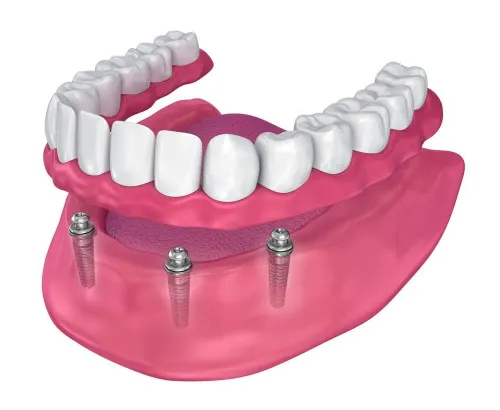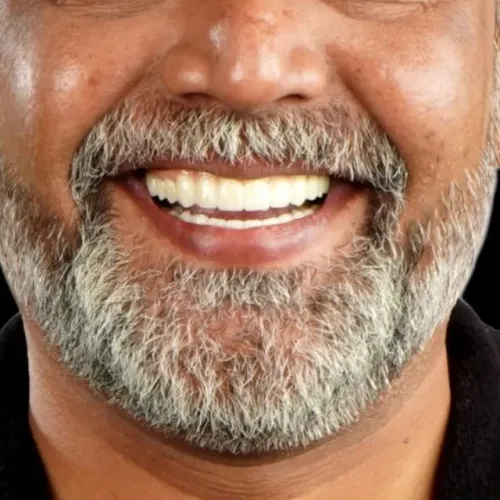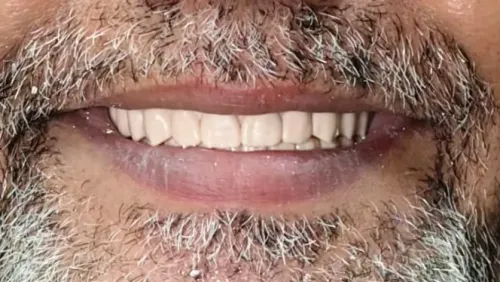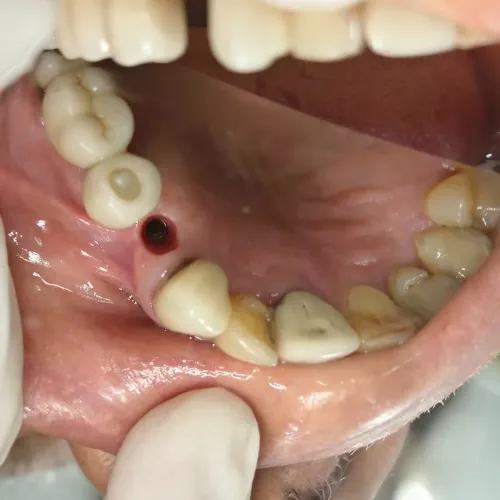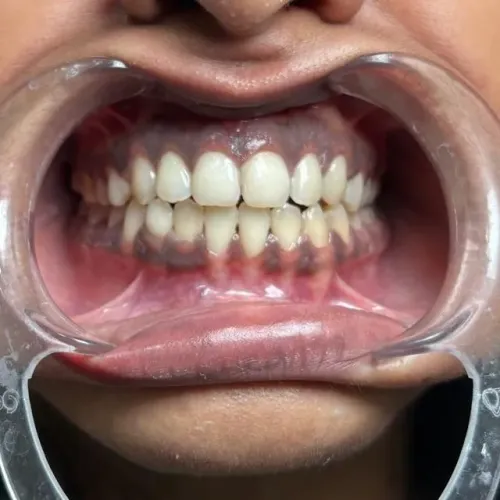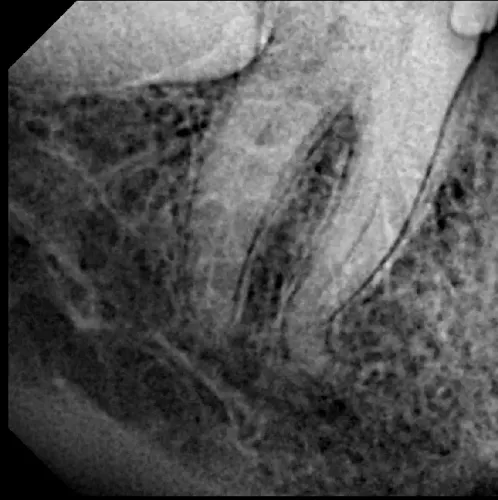
Dental implant surgery is a planned procedure designed to replace a missing tooth or teeth with an implant-supported restoration. While the surgery itself may be relatively straightforward, good preparation can make the treatment smoother and support comfortable healing.
If you are planning dental implant treatment in Thane or Mulund West Mumbai, knowing what to do before your appointment can help you feel more confident and prepared.
🦷 1. Have a Detailed Dental Evaluation
Before implant surgery, your dentist needs to determine whether an implant is appropriate for you.
The evaluation may include:
- Examination of the missing-tooth area
- Assessment of your gums
- Evaluation of the neighbouring teeth
- Assessment of your bite
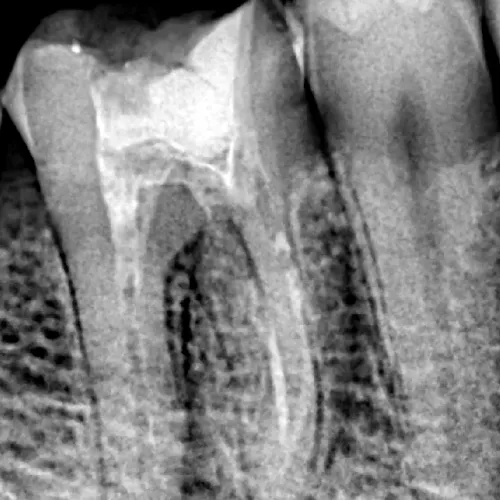
- Dental X-rays
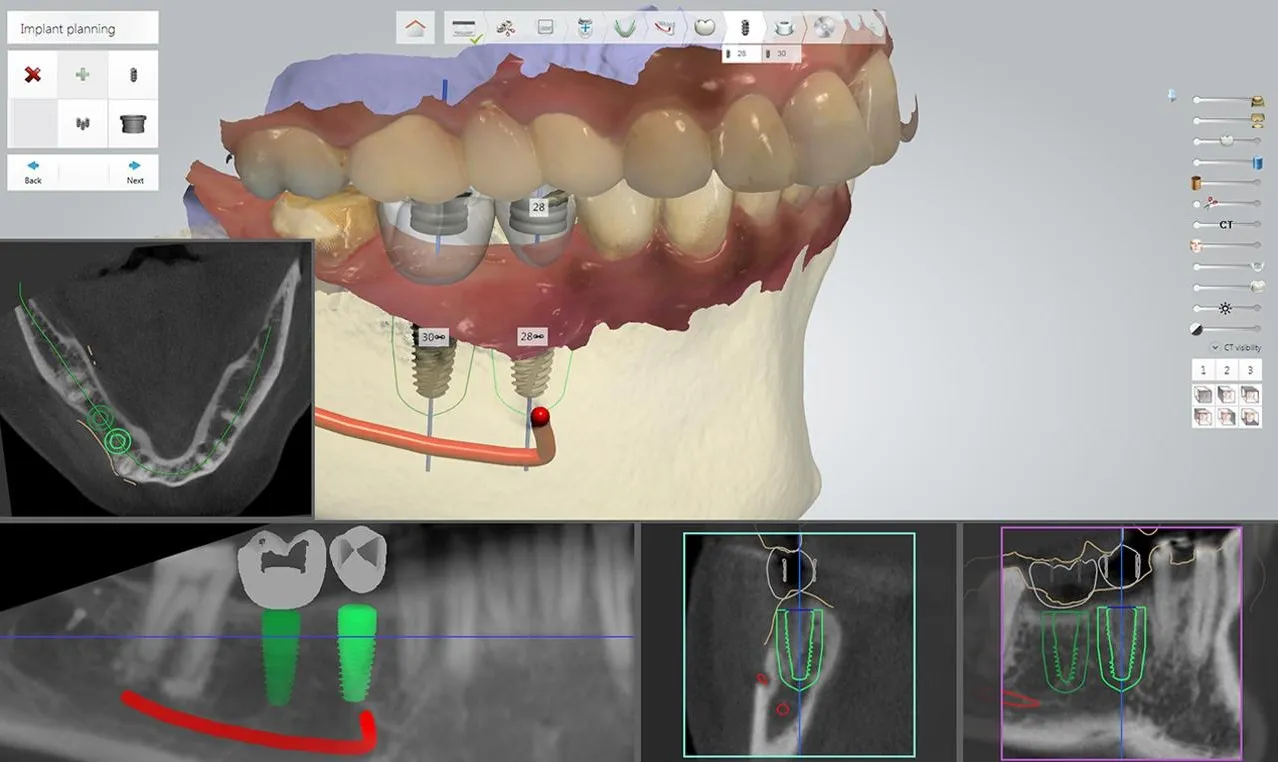
- CBCT scan, when indicated
- Digital impressions or intraoral scans in selected cases
The objective is to understand the bone volume, anatomy and overall oral health before planning implant placement.
🩻 2. Discuss Your Treatment Plan
Ask your dentist to explain exactly what will happen during your treatment.
Your plan may involve:
Tooth extraction → healing → implant → healing → crown
or, in selected cases:
Extraction → immediate implant → temporary tooth → final crown
If bone has been lost, you may need:
- Bone grafting
- Socket preservation
- Sinus augmentation in selected upper-jaw cases
The timeline varies from patient to patient.
💊 3. Tell Your Dentist About Your Medications
Before surgery, provide your dentist with a complete list of:
- Prescription medicines
- Over-the-counter medicines
- Vitamins
- Supplements
- Any medication you take regularly
Do not stop prescribed medication on your own.
If you take medicines that affect bleeding or have any medical condition that could influence surgery or healing, your dentist will coordinate the appropriate plan with you and, when necessary, your physician.
🩺 4. Tell Your Dentist About Your Medical History
Your dentist should know about relevant health conditions and previous surgical or anaesthetic experiences.
Make sure you mention:
- Previous reactions to medicines or anaesthesia
- Conditions affecting healing
- Previous problems with dental surgery
- Any significant medical treatment you are undergoing
This allows the dental team to plan the procedure safely and appropriately.
🦷 5. Get Existing Dental Problems Under Control
Good oral health provides a better environment for implant treatment.
If you have active:
- Gum disease
- Dental infections
- Significant decay
- Poor oral hygiene
these may need to be addressed before or alongside implant treatment.
Your dentist may recommend professional cleaning or periodontal treatment before implant surgery if required.
🚭 6. Avoid Smoking
Smoking can interfere with oral wound healing and may negatively affect implant outcomes.
If you smoke, discuss this with your dentist well before the procedure.
The less exposure to tobacco around the time of surgery, the better the conditions for healing.
Your dentist can advise you on an appropriate smoking-cessation plan.
🍽️ 7. Eat According to Your Dentist's Instructions
If your implant surgery will be performed under local anaesthesia, you may generally be able to eat a normal meal beforehand unless your dentist gives you different instructions.
Having a comfortable meal before a procedure can be useful because your diet may be temporarily restricted afterward.
However, if sedation or general anaesthesia is planned, fasting instructions may be different.
Always follow the specific instructions given by your dental team.
🪥 8. Maintain Good Oral Hygiene
Don't stop brushing your teeth before implant surgery.
Continue maintaining good oral hygiene, while being gentle around any surgical or recently extracted area.
A clean mouth helps minimise the bacterial burden around the treatment area.
Your dentist may also provide specific instructions regarding:
- Brushing
- Mouthwash
- Cleaning around the surgical site
- When to resume normal brushing
👕 9. Wear Comfortable Clothing
On the day of surgery, wear comfortable clothing.
If sedation is planned, avoid unnecessary accessories and follow any instructions regarding eating, drinking and transportation.
The goal is simply to arrive comfortable, relaxed and prepared.
🚗 10. Arrange Transportation if Sedation Is Planned
If you are receiving sedation, you may not be able to drive yourself home afterward.
Arrange for a responsible adult to accompany you if your dental team recommends it.
Even when only local anaesthesia is used, having someone available to help you after a more extensive procedure can be reassuring.
🏠 11. Prepare Your Home Before Surgery
You may want to have a few things ready before you leave for the appointment.
Keep available:
✔ Soft foods
✔ Plenty of fluids
✔ Any prescribed medication
✔ Ice pack/cold compress
✔ Clean gauze if recommended
✔ Comfortable pillows
Soft-food options may include:
- Yogurt
- Khichdi
- Soft rice
- Dal
- Mashed vegetables
- Smooth soups that are not very hot
- Soft eggs
Your dentist will tell you when you can gradually return to your normal diet.
❄️ 12. Plan for the First Few Days
Some swelling, tenderness or bruising can occur after implant surgery.
If this happens, your dentist may recommend using a cold compress during the initial period.
Plan to keep your schedule relatively light if possible, particularly if your procedure is more extensive.
Avoid planning strenuous exercise or demanding physical activities immediately after surgery unless your dentist says they are appropriate.
💊 13. Understand Your Medications Before Leaving
If your dentist prescribes medication, make sure you understand:
- What each medicine is for
- How and when to take it
- How long to take it
- Whether it should be taken with food
If antibiotics are prescribed, take them exactly as instructed.
Antibiotics are not automatically required for every dental implant procedure. Your dentist will decide whether they are appropriate based on your individual circumstances.
🦷 14. Know What to Expect After Surgery
Don't be alarmed if the implant does not immediately look like a finished tooth.
Implant treatment often involves several stages.
Stage 1 — Implant Placement
The implant fixture is placed into the jawbone.
Stage 2 — Healing
The implant integrates with the surrounding bone.
Stage 3 — Restoration
Once adequate healing has occurred, the final crown or other restoration is fabricated and fitted.
Some patients may receive a temporary tooth during the healing period, depending on the treatment plan.
🚨 15. Know the Warning Signs
Your dental team will provide specific post-operative instructions, but you should contact them if you experience symptoms such as:
- Severe or worsening pain
- Persistent or heavy bleeding
- Increasing swelling
- Fever
- Pus or unusual discharge
- Significant difficulty opening the mouth
- An implant that appears loose or mobile
- Difficulty swallowing or breathing
Difficulty breathing or significant swelling involving the face, mouth or neck requires urgent medical attention.
📋 Dental Implant Surgery Preparation Checklist
Before your appointment:
☐ Complete your dental examination
☐ Get required X-rays/CBCT
☐ Discuss the complete treatment plan
☐ Provide your medical and medication history
☐ Treat active gum disease or infections if required
☐ Follow your dentist's smoking instructions
☐ Follow eating/fasting instructions
☐ Continue appropriate oral hygiene
☐ Arrange transportation if sedation is planned
☐ Prepare soft foods at home
☐ Keep prescribed medicines ready
☐ Plan some rest after the procedure
❓ Questions to Ask Your Implant Dentist
Before proceeding, consider asking:
“Do I have enough bone for an implant?”
This helps you understand whether grafting may be necessary.
“Will I need a bone graft?”
Not every patient does.
“Can my implant be placed immediately after extraction?”
Immediate placement is possible in selected cases.
“How long will my treatment take?”
The timeline depends on your bone, gums, implant stability and treatment approach.
“When will I receive my permanent crown?”
The crown is usually placed after adequate implant healing, although selected cases may follow an earlier loading protocol.
“What should I avoid after surgery?”
Your dentist can give you personalised instructions based on the complexity of your procedure.
🦷 Can Dental Implant Surgery Be Done in One Day?
In selected cases, implant placement and a temporary tooth can sometimes be provided on the same day.
However, this does not mean the implant has completely healed in one day.
The implant still needs biological integration with the jawbone. Whether immediate loading is suitable depends on factors such as implant stability, bone quality, location and bite forces.
🗓️ How Long Does Dental Implant Treatment Take?
There is no single timeline for everyone.
A straightforward case may involve:
Consultation → Implant placement → Healing → Crown
But a more complex case may involve:
Consultation → Bone grafting → Graft healing → Implant placement → Implant healing → Crown
This is why your dentist should give you an individual treatment timeline rather than promising a fixed number of days or weeks.
🦷 The Key to Successful Implant Preparation
The most important preparation isn't simply what you do on the morning of surgery.
It starts with proper diagnosis and treatment planning.
A detailed evaluation of your bone, gums, bite and overall oral health allows your dentist to decide:
- Where the implant should be placed
- Which implant approach is appropriate
- Whether grafting is needed
- How the implant should be restored
- How long healing is likely to take
Good preparation combined with appropriate implant planning can make the entire treatment process more predictable.
Frequently Asked Questions
Can I brush my teeth before dental implant surgery?
Yes, unless your dental team gives you different instructions. Maintaining good oral hygiene before surgery is important.
Can I eat before implant surgery?
With local anaesthesia, patients are often able to eat beforehand. However, sedation or general anaesthesia may require fasting. Follow the instructions provided by your dental team.
Should I stop my regular medicines?
No. Never stop prescribed medication without appropriate medical advice. Tell your dentist about everything you take so they can plan your treatment safely.
How many days should I take off work?
This varies with the complexity of surgery and the individual. Many patients can return to routine activities relatively quickly after straightforward procedures, while extensive surgery may require more recovery time.
Is dental implant surgery painful?
The procedure is performed with appropriate anaesthesia, so significant pain during surgery should be controlled. Some soreness and swelling can occur afterward.
What should I eat after implant surgery?
Soft, comfortable foods are generally easier during the initial recovery period. Avoid very hot, hard or crunchy foods around the surgical area until your dentist advises otherwise.
🦷 Planning a Dental Implant?
If you're considering dental implants in Thane or Mulund West Mumbai, a consultation can help determine whether you are ready for implant surgery and whether any preparation—such as gum treatment or bone grafting—is needed beforehand.
Procare Dental LLP – Thane & Mulund West, Mumbai
📞 7071876876
Keywords