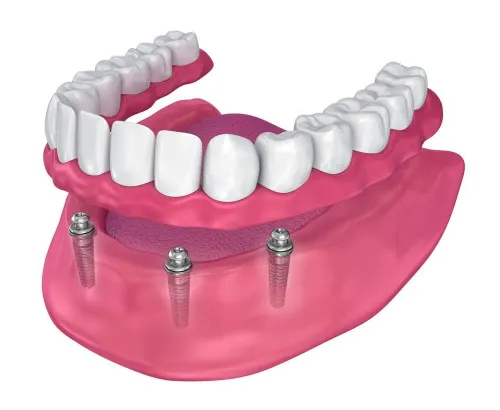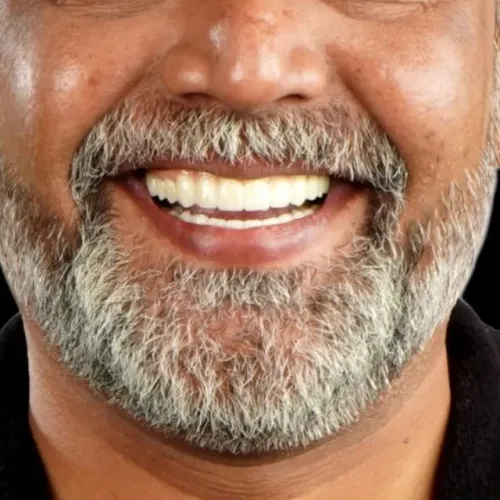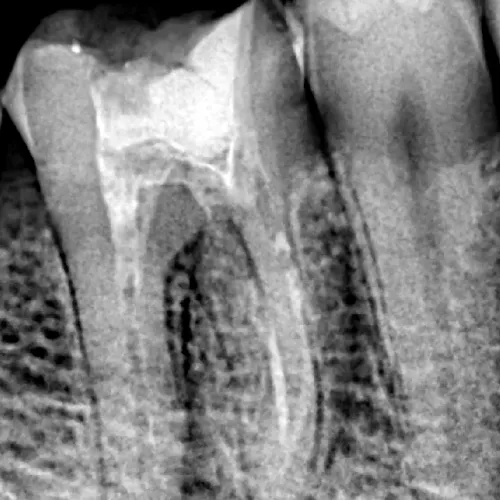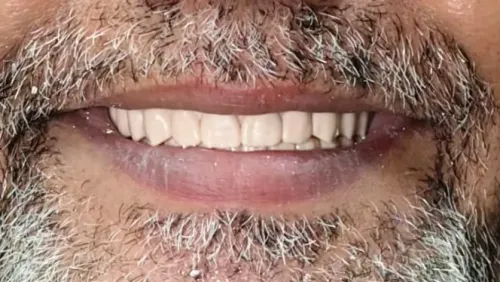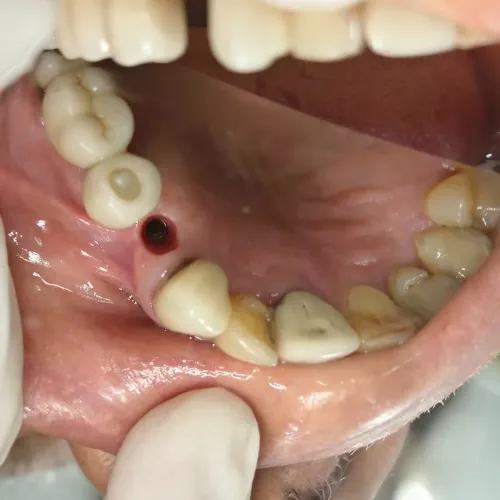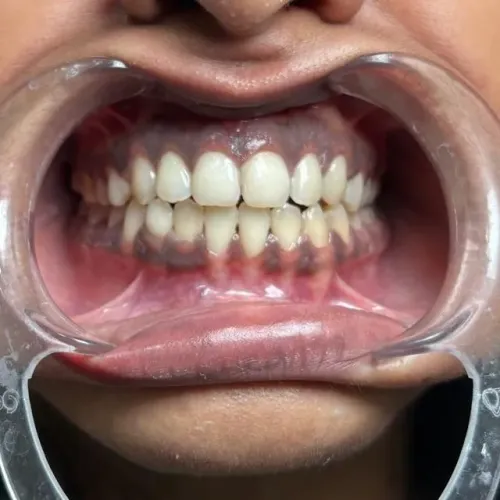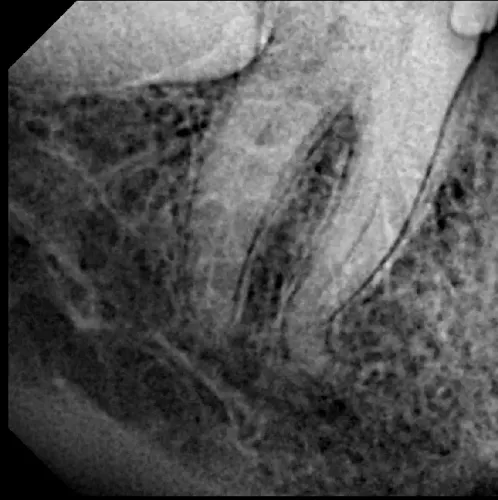
Dental implants are designed to provide a long-term solution for missing teeth, but they still need regular cleaning and professional maintenance.
An implant cannot develop a cavity in the same way as a natural tooth, but the gums and bone supporting the implant can become inflamed or infected. Plaque accumulation around an implant can contribute to conditions such as peri-implant mucositis and peri-implantitis.
If you have dental implants or are planning dental implants in Thane or Mulund West Mumbai, knowing how to care for them can help protect your investment and support long-term oral health.
🦷 Do Dental Implants Need Cleaning?
Absolutely.
Although the implant itself is artificial, the tissues around it are living tissue.
Food debris and bacterial plaque can collect around the implant-supported crown, bridge or denture. If they are not removed effectively, inflammation can develop around the implant.
Good maintenance helps keep:
- Gums healthy
- Supporting bone healthy
- Implant surfaces cleaner
- Implant restorations functioning properly
- Your entire mouth healthier
🪥 1. Brush Your Dental Implants Twice a Day
Your implant-supported teeth should be brushed at least twice a day, just like your natural teeth.
Use a soft-bristled toothbrush and gently clean:
- The implant crown
- The gumline
- The surrounding natural teeth
- All accessible surfaces of the restoration
Don't scrub aggressively. Excessive pressure can irritate the gums and may contribute to gum recession.
What about an electric toothbrush?
An electric toothbrush can be a useful option for implant patients, particularly if it helps you clean consistently and effectively.
The important thing is good technique rather than simply the type of toothbrush.
🦷 2. Clean Between Your Teeth and Around the Implant
Brushing alone cannot clean every surface around an implant.
Depending on your implant restoration and the available space, your dentist may recommend:
- Interdental brushes
- Dental floss
- Implant-specific floss
- Water flossers
- Other specialised cleaning aids
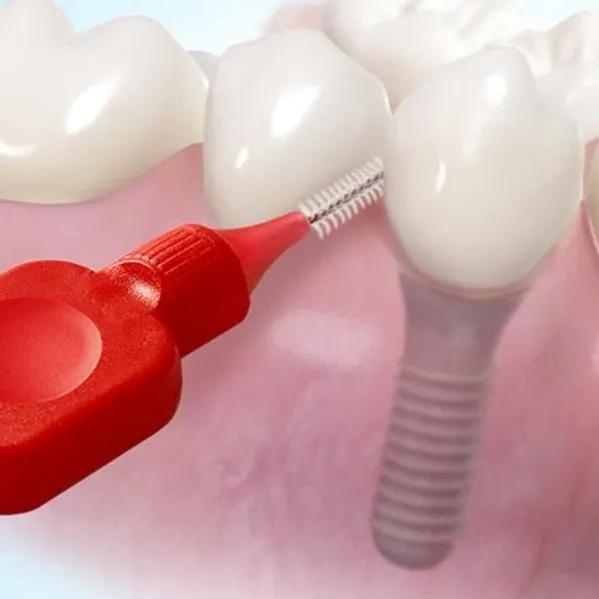
Interdental brushes
These can be particularly useful for cleaning spaces between implants and neighbouring teeth or beneath certain implant-supported restorations.
Your dentist or hygienist can show you the correct size and technique.
Don't force an interdental brush into a space that is too tight.
💧 3. Consider a Water Flosser
A water flosser can help flush food debris and plaque from difficult-to-reach areas.
It may be particularly useful around certain implant-supported bridges or larger restorations.
However, it should complement—not necessarily replace—other cleaning methods.
Your dentist can advise whether a water flosser is appropriate for your specific implant design and demonstrate how to use it.
🪥 4. Pay Special Attention to the Gumline
The area where the implant crown meets the gum is particularly important.
Plaque can accumulate around this junction without being obvious when you look in the mirror.
When brushing:
Angle the brush gently toward the gumline and clean around the entire implant restoration.
Take your time rather than brushing quickly over the visible crown.
🦷 5. Clean Under Implant-Supported Bridges and Dentures
If you have multiple implants supporting a bridge or fixed full-mouth restoration, cleaning becomes even more important.
There may be spaces underneath the prosthesis where food and plaque can accumulate.
Depending on the design, your dentist may recommend:
- Super floss or specialised floss
- Interdental brushes
- Water flossers
- Specialised implant cleaning instruments
Your cleaning routine should be based on the actual design of your restoration.
🧴 6. Choose Your Toothpaste Carefully
For everyday implant care, a regular fluoride toothpaste is generally appropriate.
The aim is to clean the teeth and control plaque without excessively abrading the surfaces.
If you have a specific implant restoration or sensitivity issue, ask your dentist whether a particular toothpaste is preferable.
🚭 7. Avoid Smoking
Smoking is an important risk factor to consider for implant health.
Tobacco use can negatively affect the tissues around implants and is associated with an increased risk of implant complications.
If you smoke, stopping can benefit both your implant health and your overall oral health.
🍬 8. Be Careful With Your Diet
You don't have to follow a special 'implant diet' forever.
However, maintaining a balanced diet and limiting frequent sugary snacks can help support your overall oral health.
Immediately after implant surgery, your dentist may recommend avoiding hard, crunchy or very hot foods around the surgical site.
Once the implant has healed and your final restoration is functioning normally, you can generally return to an appropriate normal diet according to your dentist's advice.
😬 9. Manage Teeth Grinding and Clenching
Bruxism—grinding or clenching your teeth—can place substantial forces on both natural teeth and implant restorations.
If you:
- Grind your teeth at night
- Frequently clench your jaw
- Wake up with jaw soreness
- Have worn or chipped teeth
tell your dentist.
A custom night guard may be recommended in appropriate cases to help manage excessive forces.
🩺 10. Don't Skip Dental Check-Ups
One of the biggest mistakes implant patients can make is assuming:
“The implant is artificial, so I don't need dental check-ups.”
You still need regular professional monitoring.
During an implant maintenance appointment, your dentist may evaluate:
- Gum inflammation
- Bleeding
- Plaque accumulation
- Implant stability
- Bone levels
- The condition of the crown or bridge
- Your bite
- Your home-care technique
The frequency of visits depends on your individual risk factors and oral health.
🦷 11. Watch for Early Warning Signs
Contact your dentist if you notice changes around your implant such as:
🔴 Bleeding when cleaning
🔴 Red or swollen gums
🔴 Persistent tenderness
🔴 Pus or discharge
🔴 Bad taste or odour around the implant
🔴 Gum recession
🔴 Food repeatedly getting trapped around the implant
🔴 A change in the way your implant crown feels when biting
🔴 Any movement or looseness of the implant
An implant itself should not feel loose.
Early evaluation can help identify problems before they become more advanced.
🦠 What Is Peri-Implantitis?
Peri-implantitis is an inflammatory condition affecting the tissues around a dental implant and is associated with progressive supporting bone loss.
It can develop when inflammation around an implant is not adequately controlled.
The good news is that identifying inflammation early gives your dentist an opportunity to intervene before more significant damage occurs.
This is one reason daily cleaning + professional maintenance is so important.
🧼 Professional Cleaning for Dental Implants
Professional implant maintenance is different from simply having your natural teeth polished.
Your dental professional can assess the implant and select appropriate instruments and techniques for cleaning around the implant and its restoration.
The goal is to remove deposits while avoiding unnecessary damage to the implant or surrounding tissues.
If you have multiple implants or a full-mouth implant restoration, professional maintenance becomes particularly important because some areas can be difficult to access at home.
📅 A Simple Daily Dental Implant Care Routine
🌅 Morning
1. Brush for about two minutes
Use a soft-bristled toothbrush.
2. Clean around the gumline
Pay particular attention to the implant crown.
3. Clean between teeth
Use the interdental method recommended by your dentist.
🌙 Night
1. Brush again
2. Clean around and beneath the implant restoration
3. Use your recommended interdental aid or water flosser
Night-time cleaning is particularly important because plaque can remain undisturbed for several hours while you sleep.
📋 Dental Implant Maintenance Checklist
Daily / Regular CareWhy It MattersBrush twice dailyControls plaqueClean between teethReaches areas brushing missesClean around implant gumlineHelps control inflammationUse recommended interdental aidsImproves access around restorationsAttend dental check-upsAllows early detection of problemsProfessional cleaningRemoves deposits and assesses implant healthAvoid smokingSupports healthier implant tissuesManage grindingHelps control excessive forces
❓ Frequently Asked Questions
Can dental implants get cavities?
The implant itself cannot develop tooth decay because it is not a natural tooth. However, the crown, surrounding gums and neighbouring natural teeth still require proper care.
Can I floss around a dental implant?
Yes, but the appropriate technique depends on the implant and restoration. Your dentist can show you how to clean around your specific implant safely.
Is a water flosser good for dental implants?
It can be useful for cleaning around some implant restorations, particularly difficult-to-reach areas. Ask your dentist about the appropriate technique and settings for your situation.
How often should dental implants be professionally cleaned?
There is no single schedule that is ideal for everyone. Your dentist can recommend a maintenance interval based on your gum health, oral hygiene, implant design and risk factors.
Can dental implants get infected?
Yes. The tissues around implants can become inflamed or infected. Conditions such as peri-implantitis can involve supporting bone loss.
How long can dental implants last?
Dental implants can function successfully for many years, but there is no guaranteed lifespan. Long-term success depends on factors including oral hygiene, gum health, smoking, bite forces, implant and restoration factors, and regular maintenance.
🦷 The Bottom Line
Dental implants are not maintenance-free.
The best way to protect an implant over the long term is to combine:
Good daily cleaning + healthy gums + regular professional maintenance + early attention to warning signs.
If you already have an implant, don't wait for pain before having it checked. Problems around implants can sometimes develop with few symptoms initially.
And if you're considering dental implants in Thane or Mulund West Mumbai, ask your dentist not only about the implant procedure, but also about the long-term maintenance plan.
Procare Dental LLP – Thane & Mulund West, Mumbai
📞 7071876876
Keywords