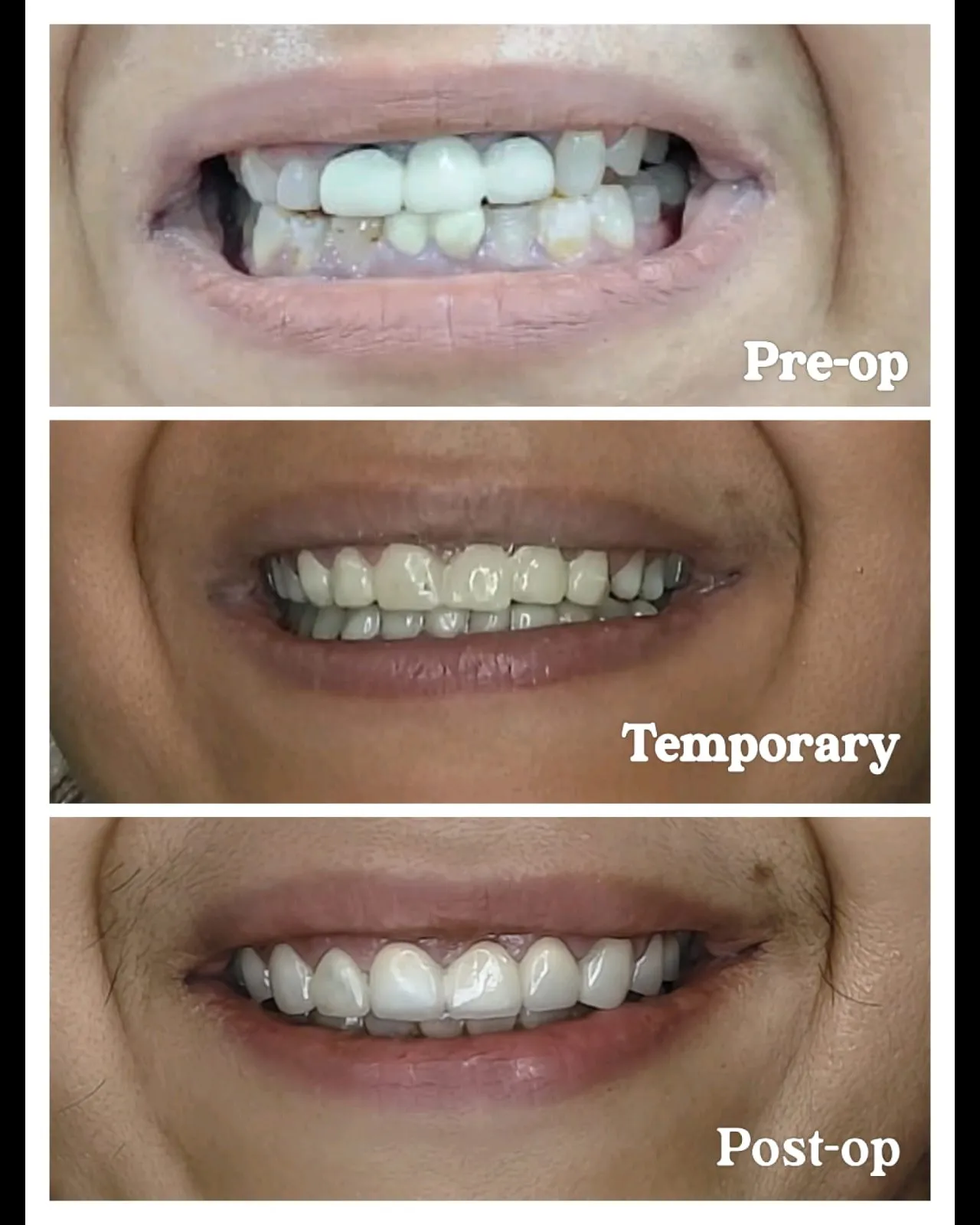
If you're considering veneers for a smile makeover, one of the most important questions is:
“How long will my veneers last?”
High-quality dental veneers can last for many years, but their lifespan depends on the type of veneer, quality of treatment, your bite, oral hygiene, and everyday habits.
For patients considering veneers in Thane or Mulund West Mumbai, understanding how to care for them can help protect both your smile and your investment.
🦷 What Are Dental Veneers?
Veneers are thin, custom-made restorations placed over the front surface of teeth to improve their appearance.
They can be used to correct:
- Discoloured teeth
- Chipped or worn teeth
- Small gaps
- Uneven tooth shape
- Minor cosmetic alignment concerns
- Differences in tooth size or proportion
The two common types are ceramic/porcelain veneers and composite veneers.
⏳ How Long Do Porcelain Veneers Last?
Porcelain or ceramic veneers commonly last around 10–15 years, and many remain functional for considerably longer when properly planned and maintained.
Their longevity depends on factors such as:
✔ Quality of the ceramic
✔ Amount of healthy enamel available for bonding
✔ Bite and chewing forces
✔ Oral hygiene
✔ Teeth grinding or clenching
✔ Regular dental maintenance
Veneers don't automatically need replacement once they reach a certain age. If they remain healthy, functional, and aesthetically satisfactory, they may continue to serve well.
⏳ How Long Do Composite Veneers Last?
Composite veneers generally have a shorter lifespan than ceramic veneers.
They commonly last around 4–8 years, depending on the case and maintenance.
Composite can:
- Stain more easily
- Lose its polish over time
- Chip or wear
- Require periodic repair or repolishing
However, composite bonding is often more conservative and can be repaired relatively easily.
⚖️ Porcelain vs Composite Veneers
FeaturePorcelain/Ceramic VeneersComposite VeneersTypical Lifespan10–15+ years4–8 yearsStain ResistanceExcellentModerateAestheticsHighly naturalVery goodStrengthHighModerateRepairabilityUsually requires laboratory treatment/replacementOften easier to repairTreatmentUsually multiple stagesOften completed in one visit
Neither option is automatically better for every patient. The right choice depends on your teeth, bite, expectations, and treatment goals.
🪥 What Makes Veneers Last Longer?
1. Good Oral Hygiene
Veneers themselves cannot develop cavities, but the natural tooth underneath and around their margins can.
Brush twice daily with fluoride toothpaste and clean between your teeth every day.
2. Regular Dental Check-Ups
Routine visits allow your dentist to monitor:
- Veneer margins
- Gum health
- Your bite
- Early decay
- Chips or cracks
Detecting problems early can prevent unnecessary replacement.
3. Don't Use Your Teeth as Tools
Avoid using veneered teeth to:
❌ Open packaging
❌ Bite pens
❌ Crack nuts
❌ Bite fingernails
❌ Chew ice
Veneers are strong, but excessive forces can chip or fracture them.
4. Manage Teeth Grinding
Bruxism can place significant forces on veneers.
If you grind or clench your teeth, your dentist may recommend a custom night guard to protect your veneers and natural teeth.
5. Keep Your Gums Healthy
Healthy gums are essential for an attractive smile.
Gum recession can expose the margins of veneers, affecting their appearance even when the veneers themselves remain intact.
💻 Does Digital Smile Design Improve Veneer Treatment?
Digital planning can help your dentist evaluate:
- Tooth proportions
- Smile line
- Gum levels
- Facial symmetry
- Bite
- Desired tooth shape and length
A digital mock-up or trial smile may also allow you to preview proposed changes before the final veneers are made.
Careful planning is particularly important because veneer treatment may involve irreversible alteration of natural tooth structure.
🚨 Signs Your Veneers May Need Attention
Book a dental examination if you notice:
- A chipped or cracked veneer
- Veneer movement
- New sensitivity
- Gum recession around the veneer
- Darkening around the margins
- Changes in your bite
- Decay around or beneath the restoration
A problem doesn't always mean the veneer needs complete replacement. In some cases, minor repairs or adjustments may be possible.
🔄 Can Veneers Be Replaced?
Yes.
If an old veneer becomes damaged, worn, or aesthetically unacceptable, it can usually be replaced.
However, because some veneer treatments require removal of enamel, veneers should be considered a long-term commitment. Once a prepared tooth has been restored with a veneer, it will generally continue to require a restoration in the future.
This is one reason conservative treatment planning is so important.
😁 Can Veneers Stay White?
Porcelain veneers are highly resistant to staining and generally maintain their colour better than natural teeth or composite restorations.
However, your natural teeth can still change colour, which may eventually create a shade difference.
Coffee, tea, tobacco, and other staining habits can also affect the surrounding natural teeth and composite materials.
🦷 Can You Get Cavities With Veneers?
Yes.
The ceramic itself cannot decay, but the underlying natural tooth remains susceptible to cavities, particularly around veneer margins.
Good brushing, interdental cleaning, and regular dental examinations remain essential even after a smile makeover.
🏥 Planning Veneers in Thane or Mulund West Mumbai
Before choosing veneers, your dentist should evaluate:
✔ Tooth and enamel condition
✔ Gum health
✔ Bite and jaw function
✔ Existing fillings or restorations
✔ Grinding habits
✔ Your aesthetic expectations
At Procare Dental LLP, veneer and smile makeover cases can be planned with digital records and smile analysis to determine whether veneers, composite bonding, orthodontics, whitening, or another conservative option is most appropriate.
✅ Final Takeaway
Porcelain veneers commonly last 10–15 years or longer, while composite veneers often last around 4–8 years. These are estimates rather than expiry dates.
For longer-lasting veneers:
✔ Maintain excellent oral hygiene
✔ Attend regular dental check-ups
✔ Avoid biting very hard objects
✔ Protect your teeth if you grind
✔ Maintain healthy gums
With careful planning and proper maintenance, veneers can provide a natural-looking smile for many years.
Procare Dental LLP – Thane & Mulund West, Mumbai
Call: 7071876876
To know more tap on the link given below:
https://www.procaredental.in/latest-update/best-teeth-whitening-options-in-mumbai-for-a-brighter-smile/172
Keywords