Patients often ask:
“Doctor, do I really need a crown… or can a filling work?”
It’s a fair question. Crowns aren’t advised for every tooth—but in many situations, they’re the only way to protect a weakened tooth long-term.
If you’re in Thane, Mulund, or Mumbai, here’s a clear, practical guide to help you understand exactly when a dental crown becomes necessary—and why.
First—What Is a Dental Crown?
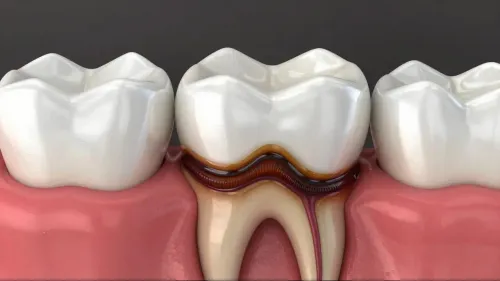
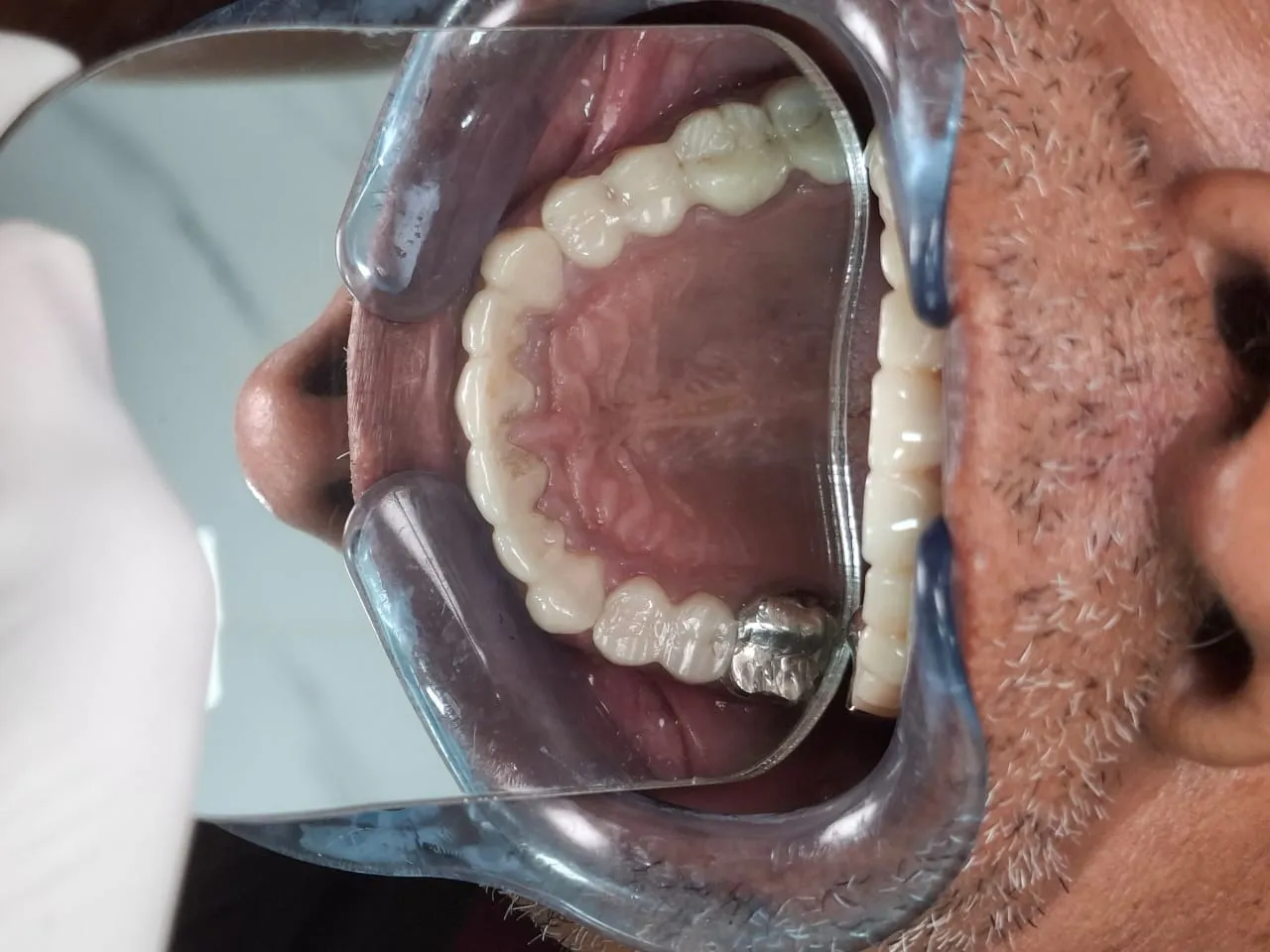
A dental crown is a protective “cap” placed over a tooth to:
✔ Restore strength
✔ Improve appearance
✔ Prevent fracture
✔ Allow normal chewing
Think of it as a helmet for your tooth.
7 Common Situations Where a Crown Is Truly Needed
🦷 1. After Root Canal Treatment (Most Common Reason)
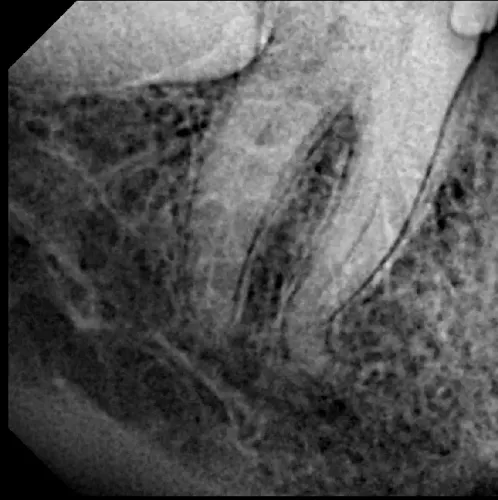
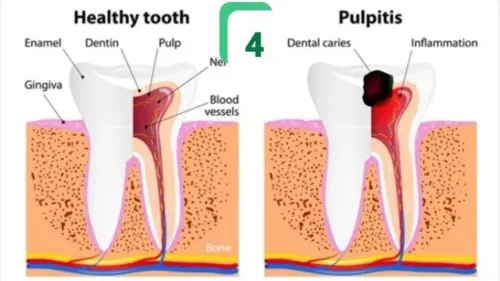
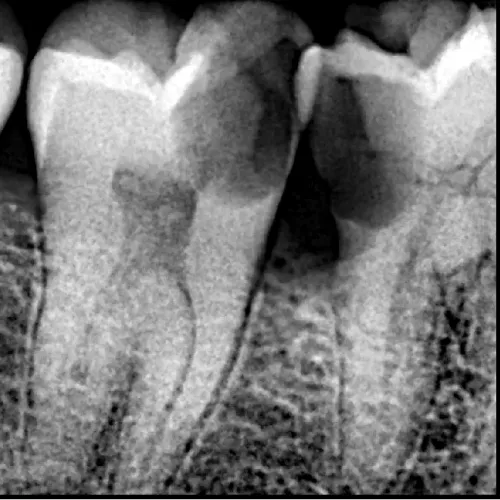
A root canal removes infection—but it also makes the tooth brittle.
Without a crown, root-canal-treated teeth (especially back teeth) commonly:
❌ Crack
❌ Break while chewing
❌ Become non-restorable
👉 For molars and premolars, a crown is almost always essential after RCT.
🦷 2. Large Cavities or Big Fillings
If a cavity has destroyed a large portion of the tooth, a filling alone may not be strong enough.
Crowns provide:
✔ Structural support
✔ Protection from future fractures
🦷 3. Cracked or Broken Teeth
Even small cracks can spread under chewing pressure.
A crown:
✔ Holds the tooth together
✔ Prevents crack propagation
✔ Saves the tooth from extraction
🦷 4. Severely Worn Teeth (Grinding / Acid Erosion)
Night grinding (bruxism) or acidic wear can shorten and weaken teeth.
Crowns help:
✔ Restore height
✔ Improve bite
✔ Prevent further damage
Often combined with a night guard.
🦷 5. Cosmetic Correction (Front Teeth)
Crowns are sometimes chosen to correct:
• Severe discoloration
• Misshapen teeth
• Old failing restorations
When veneers aren’t enough, crowns provide full coverage aesthetics.
🦷 6. To Support a Dental Bridge
If you’re replacing a missing tooth with a bridge, the neighbouring teeth need crowns to act as anchors.
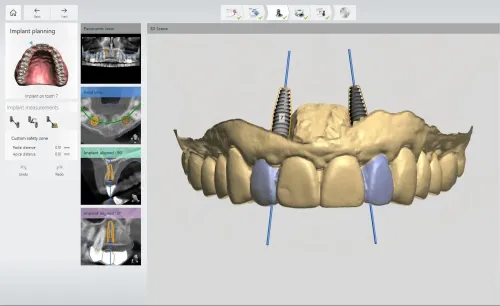
🦷 7. On Top of Dental Implants
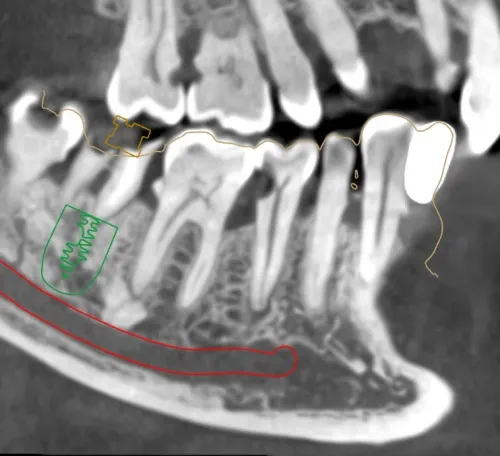
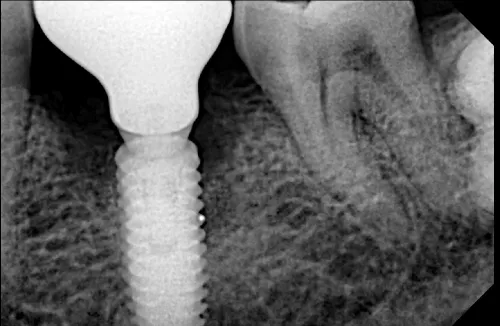
Implants require crowns to complete the restoration and provide chewing function.
When a Crown May NOT Be Needed
A crown might be avoidable if:
✔ The cavity is small
✔ Tooth structure is largely intact
✔ It’s a front tooth with minimal damage
✔ A strong bonded filling can provide adequate support
Every case is different—clinical evaluation matters.
What Happens If You Delay a Needed Crown?
Common consequences:
❌ Tooth fractures
❌ Re-infection after root canal
❌ Sudden pain while eating
❌ Extraction becoming the only option
Delaying often turns a simple crown into a complex (and costly) problem.
Which Crown Material Is Usually Recommended?
At Procare Dental LLP, we commonly use:
✔ Zirconia crowns (metal-free, strong, aesthetic)
✔ Ceramic crowns (for highly visible front teeth)
Material selection depends on:
• Tooth position
• Bite force
• Smile visibility
• Remaining tooth structure
It’s always personalised.
Our Crown Planning Philosophy
We don’t suggest crowns casually.
We first assess:
✔ How much tooth is left
✔ Your bite forces
✔ Gum health
✔ Long-term prognosis
Then we explain:
• Whether a crown is truly required
• What happens if you postpone
• All suitable options
Our aim:
👉 Save your tooth for the long term—not just fix today’s problem.
Quick FAQs
Is crown placement painful?
No—done under local anaesthesia.
How long do crowns last?
Typically 10–15 years or more with good care.
Can I eat normally with crowns?
Yes—once cemented, they function like natural teeth.
Final Takeaway
You usually need a dental crown when:
✔ A tooth is root-canal treated
✔ Large structure is lost
✔ There’s a crack or fracture
✔ Teeth are severely worn
✔ A bridge or implant is planned
Crowns aren’t over-treatment—they’re tooth protection.
Book a Crown Evaluation
📍 Clinics in Thane & Mulund
📞 7071876876
Keywords