If you need to have a tooth removed, one of the most common questions is:
“How soon can I get a dental implant after extraction?”
The answer is: it depends on the condition of the tooth, bone, gums and extraction site.
In some carefully selected cases, the implant can be placed immediately after the tooth is extracted. In other situations, it is better to allow the area to heal first—especially when there is significant infection, bone loss or a large defect.
There is therefore no single waiting period that is right for everyone.
🦷 What Are the Options After Tooth Extraction?
After a tooth is removed, an implant can generally be considered using one of several approaches:
1. Immediate Implant Placement
Extraction → Implant placement
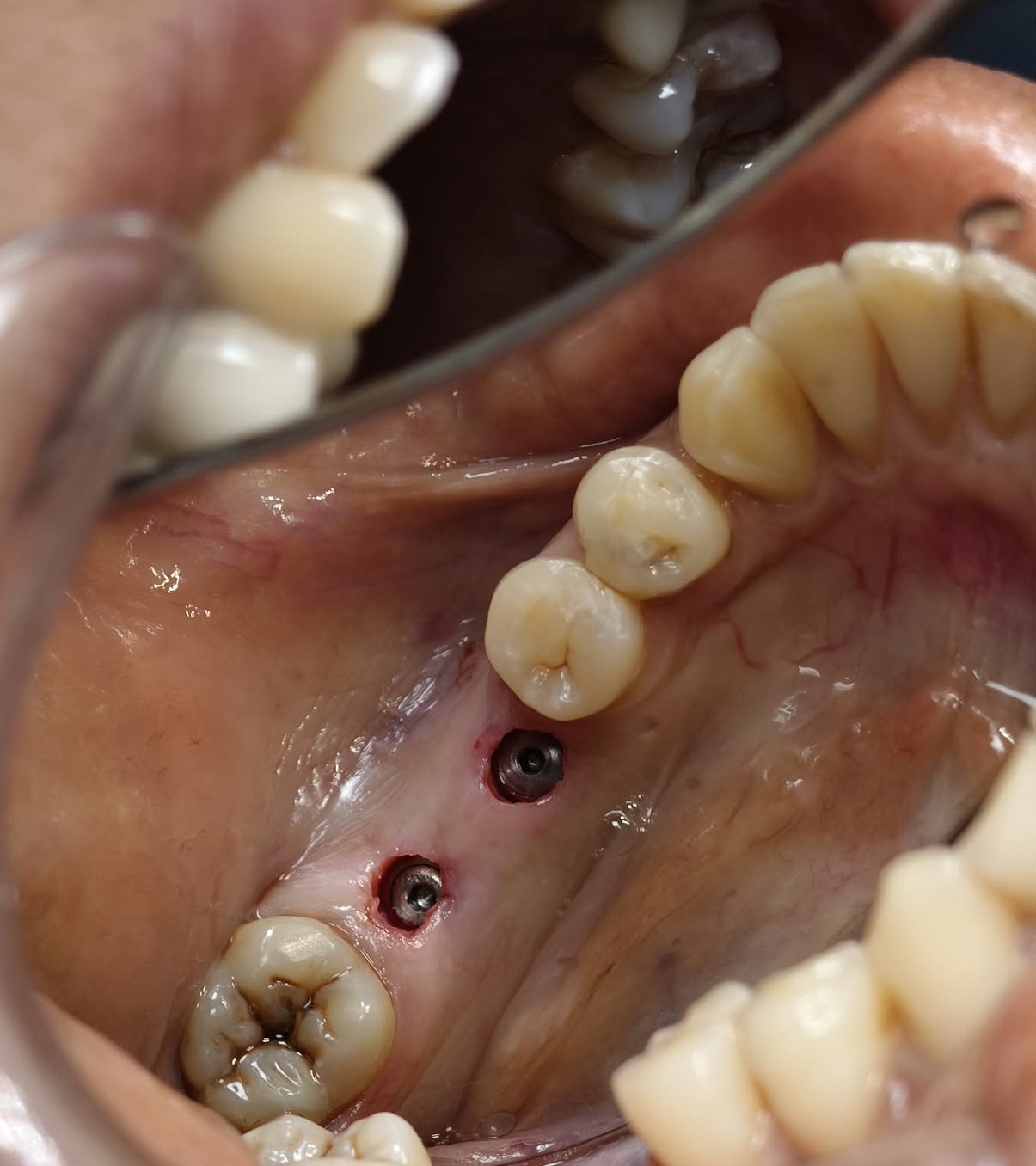
The implant is placed during the same appointment as the extraction.
This is possible in selected cases when the site has favourable bone and soft-tissue conditions and adequate implant stability can be achieved.
2. Early Implant Placement
Extraction → short healing period → Implant
The extraction site is allowed to heal for a period before the implant is placed.
This can be useful when some healing is desirable but the dentist does not want to wait for complete ridge healing.
3. Delayed Implant Placement
Extraction → healing/grafting → Implant
The site is allowed to heal more completely before implant placement.
This may be recommended when there is:
- Significant bone loss
- A large extraction defect
- Extensive infection
- Inadequate implant stability
- A need for substantial bone augmentation
⏳ How Long Should You Wait After Extraction?
There isn't one fixed answer.
The appropriate timing depends on:
- Condition of the tooth before extraction
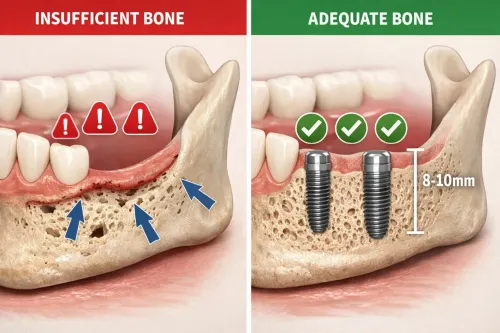
- Amount and quality of remaining bone
- Presence of infection
- Gum condition
- Extraction-site anatomy
- Need for bone grafting
- Planned implant position
- Ability to achieve primary stability
For some patients, the same day is appropriate.
For others, waiting for healing is the safer option.
⚡ Can You Get an Implant on the Same Day as Extraction?
Yes, in selected cases.
This is called immediate implant placement.
A typical sequence may be:
Damaged tooth removed → socket carefully cleaned → implant placed → temporary restoration if appropriate
However, immediate implant placement is not suitable for every extraction site.
Your dentist needs to assess the site before deciding.
🦴 What Makes Someone Suitable for an Immediate Implant?
Some favourable factors include:
✔ Adequate bone
There should be enough suitable bone to achieve implant stability.
✔ Appropriate socket anatomy
The extraction should leave an anatomy that permits predictable implant positioning.
✔ Manageable infection
The type and extent of infection must be carefully assessed.
✔ Healthy or manageable gum tissues
Active periodontal disease should be appropriately controlled.
✔ Adequate primary stability
The implant must be stable enough for the planned healing/loading protocol.
✔ Suitable bite
Excessive forces can complicate early healing.
🦠 What If the Tooth Has an Infection?
An infected tooth does not automatically mean that an immediate implant is impossible.
The important factors include:
- Where the infection is located
- How extensive it is
- Whether the socket can be adequately debrided
- The amount of remaining bone
- Whether adequate implant stability can be achieved
In some cases, immediate placement may still be possible.
In others, it is more predictable to:
Extract → manage infection → allow healing → place implant later
The decision should be made based on the individual site.
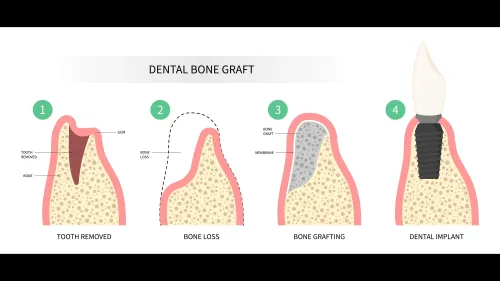
🦷 What Happens to the Bone After Extraction?
Once a tooth is removed, the bone that supported its root begins to remodel.
Over time, the ridge can become:
- Narrower
- Shorter
- Different in shape
This is one reason why implant planning before extraction can be valuable.
If you already know that an implant may be required, tell your dentist before the tooth is removed.
The extraction and management of the socket can then be planned with the future implant in mind.
🦴 Do You Need a Bone Graft After Extraction?
Not everyone does.
A bone graft may be recommended if:
- The extraction leaves a bone defect
- The ridge is too narrow
- Bone has already been lost
- The implant cannot be placed in the desired position without augmentation
- Preserving the ridge is important for a future implant
Sometimes a graft can be performed at the time of extraction.
In other cases, grafting may be done later.
🦷 What Is Socket Preservation?
Socket preservation is a procedure performed after extraction to help maintain the shape and volume of the extraction ridge during healing.
It can be particularly useful when:
- Immediate implant placement isn't planned
- There is a risk of significant ridge resorption
- Future implant placement is anticipated
It does not mean that an implant will automatically be possible later, but it can help maintain the site for future treatment.
🩻 Why Is CBCT Important?
A CBCT scan provides three-dimensional information that can help your dentist evaluate:
- Bone width
- Bone height
- Socket anatomy
- Bone defects
- Nearby nerves
- Sinus position
- Implant positioning
For implant planning, the question isn't simply:
“Is there bone?”
It is:
“Is there enough suitable bone in the right position for the planned implant?”
🦷 What If the Tooth Has Already Been Removed?
Don't assume that you've missed your opportunity for an implant.
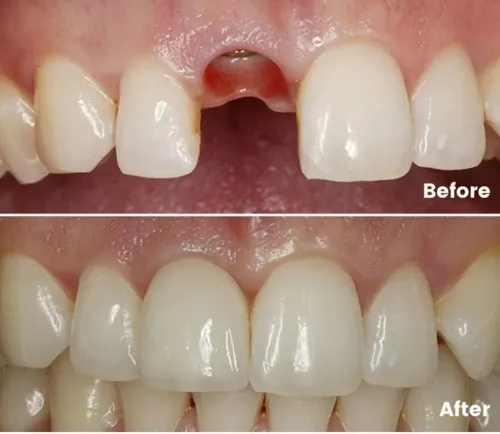
An implant can often be placed after the extraction site has healed, provided the bone and soft tissues are suitable.
If significant bone loss has occurred, your dentist may recommend bone augmentation before or during implant placement.
😁 Can You Have a Temporary Tooth While Waiting?
Yes, depending on the location and your treatment plan.
Temporary options may include:
- Removable temporary tooth
- Temporary bridge
- Adhesive bridge
- Immediate provisional restoration in selected implant cases
For a front tooth, maintaining appearance during the healing period can be particularly important.
🦷 Can the Final Crown Be Placed on the Same Day?
Usually, the immediate tooth provided during implant surgery is a temporary restoration, not necessarily the definitive crown.
In carefully selected cases, immediate loading may be possible.
But even if you receive a tooth on the same day:
The implant itself still needs time to biologically integrate with the bone.
The final restoration is generally provided after appropriate healing and assessment.
🆚 Immediate vs Delayed Implant
Immediate ImplantDelayed ImplantImplant placementSame time as extractionAfter healingTreatment stagesMay be reducedMay require more stagesBone conditionMust be favourableMore time to manage deficienciesInfectionRequires careful assessmentSite can heal firstBone graftSometimes possible simultaneouslyMay be done before implantTemporary toothPossible in selected casesDepends on treatment planSuitable for everyone?❌ No❌ Not necessarily
🦷 What Happens If You Wait Too Long?
Waiting does not necessarily mean you can no longer get an implant.
However, prolonged tooth loss can allow additional bone remodeling and changes in the position of neighbouring teeth.
Over time, you may require:
- Bone grafting
- Ridge augmentation
- Additional restorative treatment
- Orthodontic correction in selected cases
This doesn't mean you must rush into an implant.
It means that if you are considering an implant, it is worth having the site assessed early.
🪥 What Should You Do Before Extraction?
If you think you may eventually want an implant, discuss it before extraction whenever possible.
Ask your dentist:
“Can this tooth be replaced with an implant?”
“Could an immediate implant be possible?”
“Will I need a bone graft?”
“Should the extraction socket be preserved?”
“What will I use as a temporary tooth?”
This allows the extraction to be planned around the future restoration.
❓ Frequently Asked Questions
Can I get a dental implant immediately after extraction?
Yes, in selected cases. Immediate placement depends on bone, gum health, infection, socket anatomy and the ability to achieve adequate implant stability.
How long after extraction can I get an implant?
It can range from the same day to several months later, depending on the individual case and whether bone or soft-tissue healing is required.
Is it better to get an implant immediately?
Not necessarily. Immediate placement can have advantages in suitable cases, but waiting may be more predictable when there is significant infection, bone loss or an unfavourable extraction site.
Can I get an implant after an infected tooth is removed?
Sometimes. The infection and surrounding bone must be assessed and appropriately managed before deciding on immediate or delayed placement.
Do I need a bone graft after extraction?
Not always. A graft is recommended only when it is needed to preserve or create adequate bone for the planned treatment.
What happens if I wait several months after extraction?
An implant may still be possible. However, the bone can remodel after extraction, and some patients may subsequently need bone augmentation.
Can I get a temporary tooth while waiting for my implant?
Yes. Several temporary replacement options are available depending on the location and your individual treatment plan.
🦷 The Bottom Line
You don't necessarily have to wait months after a tooth extraction to get a dental implant.
In suitable cases, the implant can be placed immediately after extraction.
But immediate placement is not automatically the best option.
The ideal timing depends on:
Bone + gums + infection + socket anatomy + implant stability + final tooth position
That's why implant planning before extraction can be so valuable.
If you're having a tooth removed and think you may want an implant, ask your dentist about implant planning before the extraction whenever possible.
If you are considering dental implants after tooth extraction in Thane or Mulund West Mumbai, an implant assessment and CBCT can help determine whether immediate, early or delayed implant placement is most appropriate for you.
Procare Dental LLP – Thane & Mulund West, Mumbai
📞 7071876876
Keywords