Dental implants are one of the most reliable ways to replace missing teeth—but for an implant to succeed, it needs strong, healthy jawbone support. Many patients ask:
“Do I need bone grafting before getting an implant?”
If you’re considering implants in Thane, Mulund, or Mumbai, this guide explains when bone grafting is needed, why it matters, and how it helps ensure long-term implant success.
What Is Bone Grafting in Dentistry?
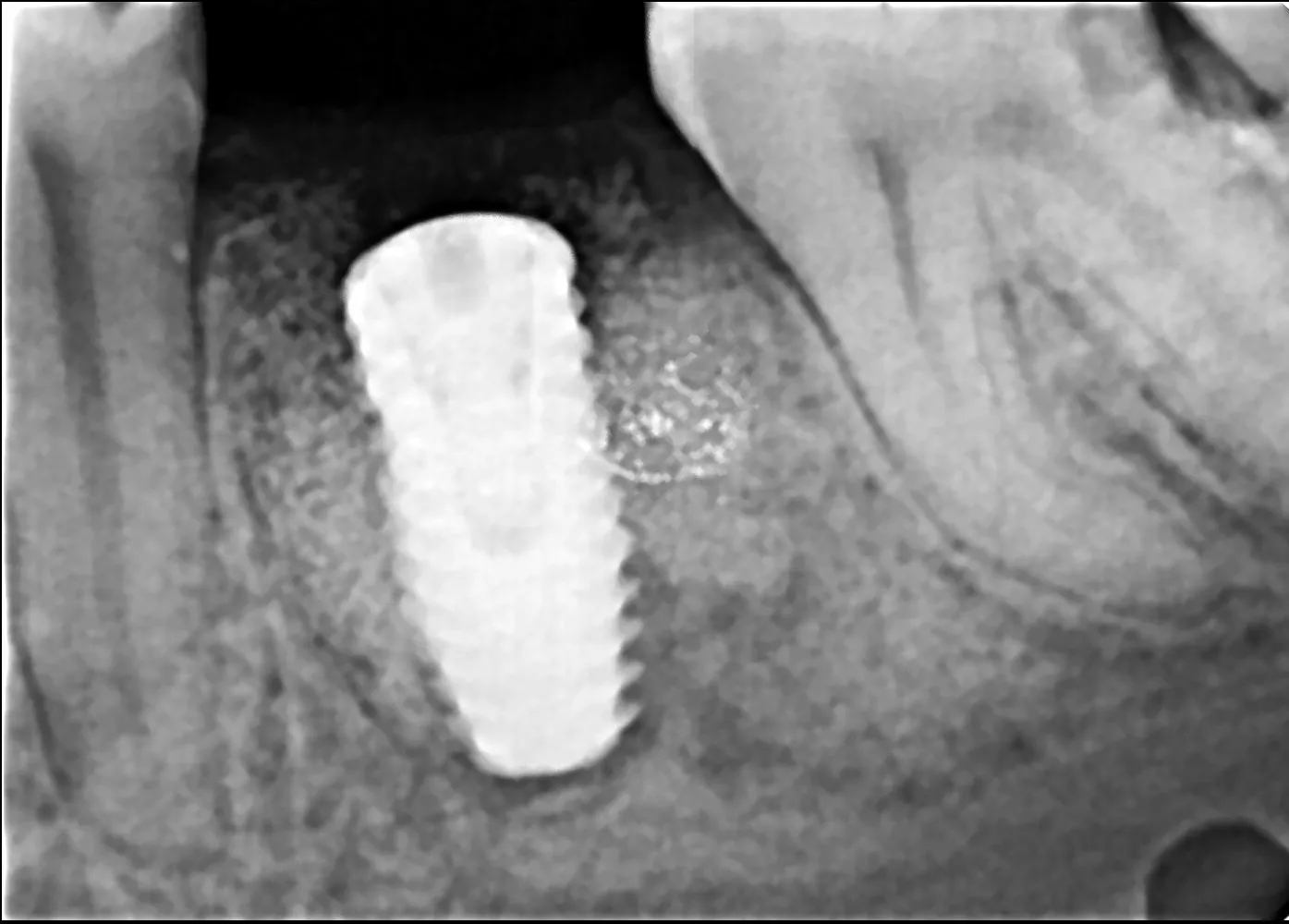
Bone grafting is a procedure that adds or rebuilds bone in areas where the jawbone is too thin or weak to support a dental implant.
The graft:
• Encourages natural bone regeneration
• Restores bone volume and density
• Creates a stable foundation for implants
Think of it as preparing strong soil before planting a tree.
Why Bone Loss Happens After Tooth Loss
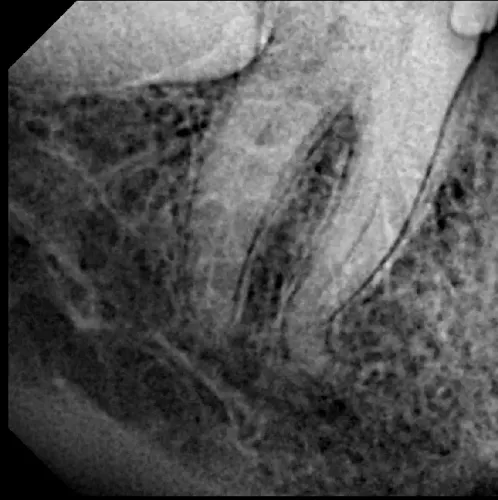
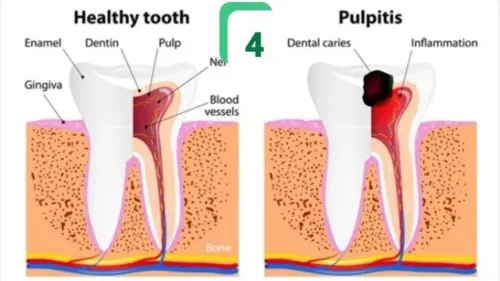
Jawbone loss is very common after a tooth is removed.
Bone loss can occur due to:
• Long-standing missing teeth
• Delayed replacement after extraction
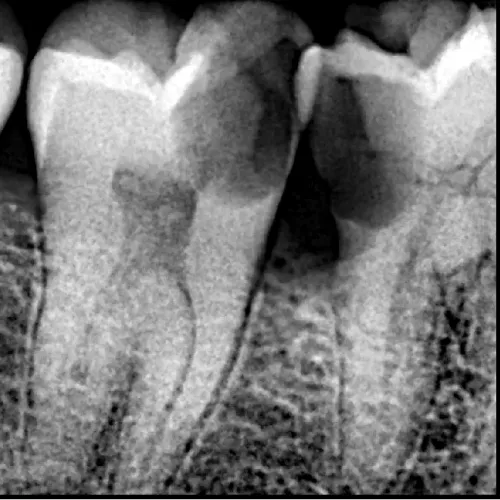
• Gum disease (periodontitis)
• Trauma or infection
• Ill-fitting dentures
Without stimulation from a tooth root, the bone gradually shrinks.
When Is Bone Grafting Needed?
You may need bone grafting if:
🦷 1. Tooth Has Been Missing for a Long Time
The longer a tooth is missing, the more bone resorption occurs—often silently.
🦷 2. Advanced Gum Disease
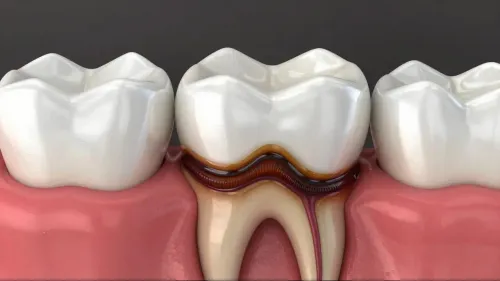
Periodontitis can destroy the bone supporting teeth, making grafting essential before implants.
🦷 3. After Tooth Extraction (in Some Cases)
If a tooth is removed and the socket walls are weak, socket preservation grafting may be advised to prevent future bone loss.
🦷 4. Bone Is Too Thin or Too Low
Some patients naturally have less bone height or width—especially in the upper jaw near the sinuses.
🦷 5. Sinus Proximity (Upper Back Teeth)
For upper molars and premolars, a sinus lift with bone grafting may be needed to safely place implants.
How Do Dentists Decide If You Need Bone Grafting?
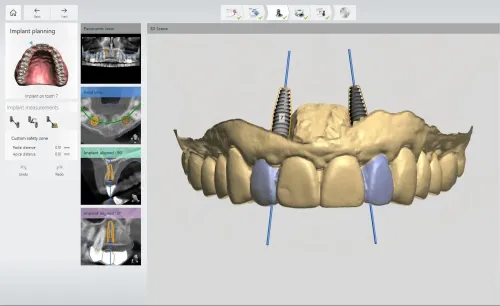
At Procare Dental LLP, we use:
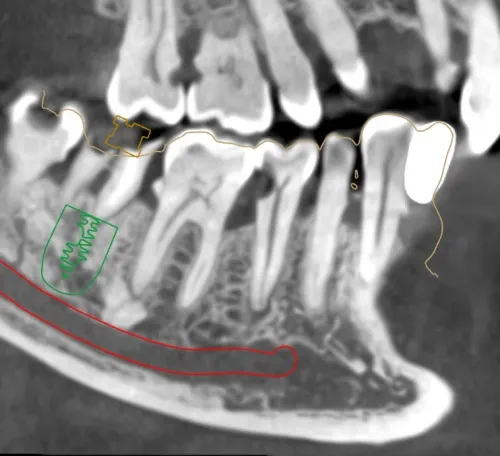
✔ CBCT (3D) scans
✔ Digital measurements of bone height and width
✔ Implant planning software
This allows us to determine exactly how much bone is needed—if any.
Not every implant patient needs grafting.
Types of Bone Grafting Used in Implant Dentistry
• Socket preservation graft – done at time of extraction
• Ridge augmentation – increases bone width or height
• Sinus lift – adds bone under the sinus
• Minor grafting during implant placement
The type depends on your specific bone condition.
Is Bone Grafting Painful?
Most patients report:
• Mild to moderate discomfort
• Easily managed with medication
• Less pain than expected
Healing is usually smooth with proper care.
How Long Does Healing Take After Bone Grafting?
• Minor grafts: 3–4 months
• Larger grafts or sinus lifts: 4–6 months
Once healed, the bone is strong enough for implant placement.
Can Implants Be Placed Without Bone Grafting?
Sometimes, yes.
With modern techniques:
• Immediate implants
• Short or angled implants
• Advanced implant designs
Bone grafting can occasionally be avoided—but only when it’s safe to do so.
Why Bone Grafting Improves Implant Success
Bone grafting helps by:
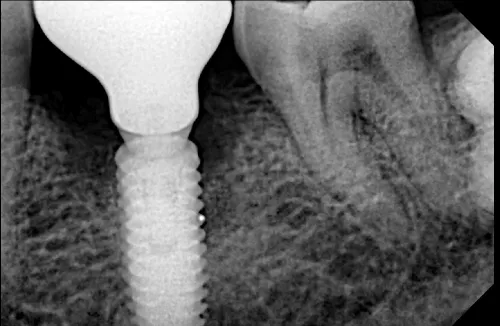
✔ Increasing implant stability
✔ Reducing implant failure risk
✔ Improving long-term durability
✔ Enhancing aesthetic outcomes
A well-supported implant can last decades.
Why Choose Procare Dental LLP for Implant & Bone Grafting Care?
Patients across Thane & Mulund trust us because we offer:
✔ Advanced CBCT-based planning
✔ Minimally invasive grafting techniques
✔ Ethical case selection
✔ Guided implant surgery
✔ Focus on long-term success, not shortcuts
We recommend bone grafting only when it truly benefits the patient.
Final Takeaway
Bone grafting is not something to fear—it’s a foundation-building step that makes dental implants safer, stronger, and longer-lasting.
If your dentist recommends it, it’s to protect your investment and your oral health.
Book an Implant & Bone Assessment
📍 Clinics in Thane & Mulund
📞 7071876876
Keywords