
Many people visit the dentist only when they have tooth pain, sensitivity, or a dental emergency. But regular dental check-ups are important even when your teeth feel perfectly fine.
A dental problem can sometimes develop without causing noticeable symptoms in the early stages. Regular check-ups allow your dentist to identify cavities, gum disease, tartar buildup, tooth wear, and other problems early.
So, how often should you actually visit the dentist?
The answer depends on your oral health, dental history, age, gum condition, and individual risk factors.
🦷 How Often Should You Get a Dental Check-up?
For many people, a dental examination every 6 months is a reasonable routine.
However, there is no single schedule that is ideal for everyone.
Your dentist may recommend more frequent visits if you have:
- Gum disease or bleeding gums
- Frequent cavities
- Heavy tartar buildup
- Loose teeth
- A history of dental problems
- Dental implants or extensive dental work
- Orthodontic treatment
- Difficulty maintaining oral hygiene
Some people may need check-ups every 3–6 months, while others with consistently good oral health may be suitable for less frequent visits.
The important thing is to follow a schedule based on your individual dental needs.
🔍 Why Are Regular Dental Check-ups Important?
A routine dental examination can help detect problems before they become painful or require extensive treatment.
Your dentist may check for:
🦷 Cavities
Small cavities may not cause pain initially. Finding them early can allow for simpler treatment.
🩸 Gum Disease
Bleeding, swollen or receding gums may indicate gum disease.
Early gum inflammation can often be managed before it progresses to more serious periodontal problems.
🪥 Tartar Buildup
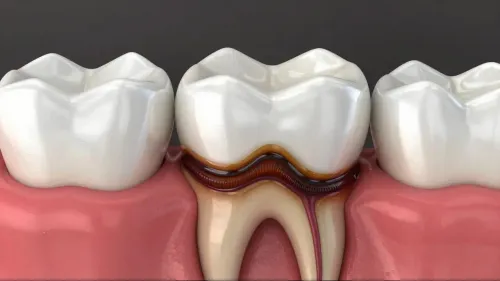
Plaque can harden into tartar, which cannot be completely removed through normal brushing.
Professional cleaning may be recommended when necessary.
🦷 Tooth Wear and Cracks
Your dentist can look for signs of:
- Teeth grinding
- Cracks
- Excessive wear
- Broken fillings
- Damaged crowns
Early detection can help prevent further damage.
👶 How Often Should Children Visit the Dentist?
Children should have regular dental visits from an early age.
Regular visits can help:
✔ Detect cavities early
✔ Monitor tooth development
✔ Check jaw and bite development
✔ Identify oral hygiene problems
✔ Build positive dental habits
Children who are comfortable with regular dental visits may also be less anxious about dental treatment later.
🧑💼 What About Adults With Healthy Teeth?
Even if you don't have pain, regular check-ups remain useful.
You may not notice:
- Early cavities
- Gum disease
- Small cracks
- Tartar below the gum line
- Changes around existing fillings or crowns
A check-up is therefore not just a visit for treating pain. It is also an opportunity to prevent future dental problems.
🩸 Who May Need More Frequent Dental Visits?
Some patients benefit from closer monitoring.
Patients With Gum Disease
If you have periodontitis, your dentist may recommend periodontal maintenance at shorter intervals.
Patients With Frequent Cavities
If you develop cavities frequently, your dentist may recommend more regular examinations and preventive measures.
Patients With Dental Implants
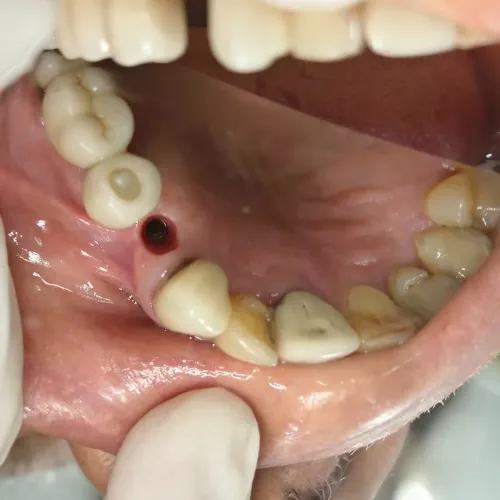
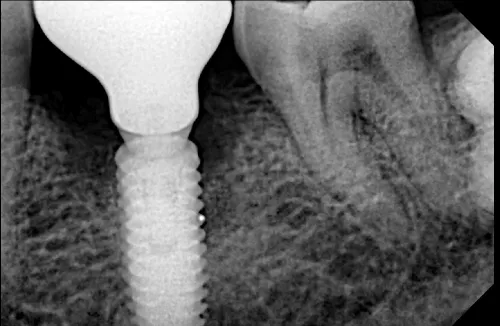
Implants themselves cannot develop cavities, but the gums and bone around them need monitoring.
Patients With Braces or Aligners
Orthodontic treatment requires regular monitoring and professional guidance.
Smokers and Tobacco Users
Tobacco significantly increases the risk of gum disease and other oral problems, making regular dental monitoring particularly important.
🩺 What Happens During a Dental Check-up?
A routine dental check-up may include:
1. Examination
Your dentist examines your teeth, gums, tongue and other areas of your mouth.
2. Gum Assessment
The dentist may check for:
- Bleeding
- Gum recession
- Periodontal pockets
- Swelling
- Tooth mobility
3. Cavity Check
Your teeth are examined for decay, damaged fillings and other problems.
4. Bite Assessment
Your dentist may check how your upper and lower teeth come together and look for signs of excessive wear or grinding.
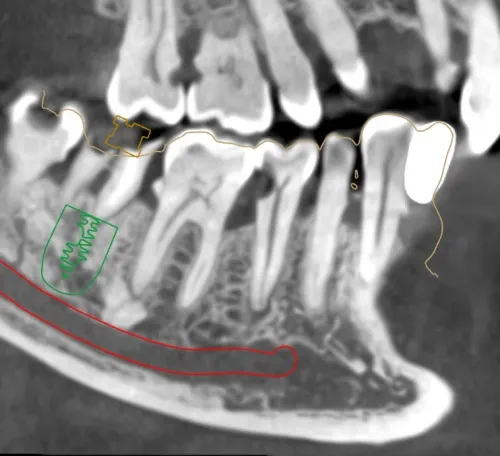
5. X-rays When Required
Dental X-rays are not necessarily required at every check-up.
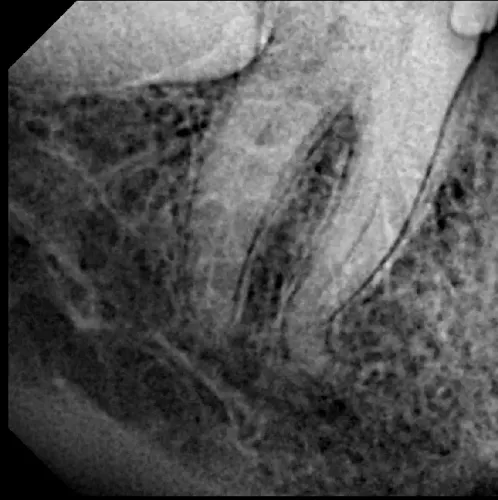
They may be recommended when your dentist needs to assess areas that cannot be seen during a clinical examination, such as hidden decay, bone loss, impacted teeth or problems around tooth roots.
🧼 Does a Dental Check-up Include Cleaning?
Not necessarily.
Dental examination and professional teeth cleaning are different procedures.
If plaque or tartar has accumulated, your dentist may recommend professional scaling and polishing.
Patients with periodontal disease may require deep cleaning or scaling and root planing instead of routine cleaning.
You can learn more about this in our guide:
Scaling vs Deep Cleaning: What's the Difference and Which One Do You Need?
🚨 Don't Wait for Your Six-Month Check-up If You Have Symptoms
Even if your next routine appointment isn't due, contact your dentist if you develop:
🦷 Toothache
🩸 Bleeding gums
🔴 Swollen gums
😣 Pain while biting
🦷 A loose permanent tooth
🧊 Persistent sensitivity
🦠 Bad taste or pus
😮💨 Persistent bad breath
🤕 A broken or injured tooth
Dental problems can worsen while you wait for a routine appointment.
🪥 What Can You Do Between Dental Check-ups?
Regular dental visits work best when combined with good daily oral care.
Follow these simple habits:
✔ Brush twice daily with fluoride toothpaste
✔ Clean between your teeth every day
✔ Clean your tongue
✔ Limit frequent sugary snacks and drinks
✔ Avoid tobacco
✔ Wear a mouthguard during contact sports when appropriate
✔ Follow your dentist's recommendations
Your daily oral hygiene plays a major role in preventing dental problems between appointments.
📅 Is Every 6 Months Really Necessary?
The 'every six months' rule is a useful general guideline, but it shouldn't be treated as a strict requirement for every person.
Some patients need more frequent monitoring because of higher dental or periodontal risk.
Others with consistently good oral health may not need to visit exactly every six months.
Your dentist should determine the appropriate recall interval based on your individual risk.
🏥 Dental Check-ups in Thane & Mulund West Mumbai
At Procare Dental LLP, routine dental examinations are designed to identify potential problems early and assess your overall oral health.
Depending on your needs, your visit may include:
Dental examination → Gum assessment → Cavity screening → X-rays when indicated → Professional cleaning when required → Personalized preventive advice
Regular check-ups can help you address small problems before they become painful or require more complex treatment.
❓ Frequently Asked Questions
How often should I visit the dentist?
For many people, a check-up every 6 months is a reasonable starting point. Your dentist may recommend a different interval depending on your oral health.
Can I skip the dentist if I have no pain?
It's better not to. Some cavities and gum problems may not cause noticeable symptoms in their early stages.
Do I need a dental cleaning every 6 months?
Not necessarily. The frequency of professional cleaning depends on your plaque, tartar and gum health.
How often should people with gum disease visit the dentist?
Patients with gum disease may require more frequent periodontal maintenance. Your dentist will determine the appropriate interval based on the severity and stability of the condition.
Are dental X-rays needed at every check-up?
No. X-rays are recommended when clinically appropriate based on your symptoms, dental history and examination findings.
✅ Final Takeaway
Regular dental check-ups are about prevention, not just treating pain.
For many people, visiting the dentist approximately every 6 months is a useful routine. However, your ideal frequency depends on your individual oral health.
Don't wait for your next scheduled appointment if you have:
🩸 Bleeding gums
🦷 Tooth pain
😣 Sensitivity
🦷 Loose teeth
😮💨 Persistent bad breath
🔴 Swelling
👉 Early detection can mean simpler treatment and better long-term oral health.
Procare Dental LLP – Thane & Mulund West, Mumbai
📞 7071876876
To know more tap on the link given below:
Keywords