Thumb sucking is a common habit in babies and young children. Sucking is a natural reflex that can help babies feel calm and secure. For many children, the habit gradually stops as they grow.
However, frequent or prolonged thumb sucking can affect the development and position of the teeth and jaws, particularly if the habit continues as permanent teeth begin to appear.
If you're concerned about thumb sucking in your child in Thane or Mulund West Mumbai, here's what parents should know.
👶 Why Do Children Suck Their Thumb?
Thumb sucking can be a natural way for children to:
- Feel comforted
- Relax when tired
- Fall asleep
- Deal with anxiety or boredom
- Self-soothe
Some children stop on their own, while others continue the habit for several years.
🦷 Does Thumb Sucking Damage Teeth?
It can, particularly when the habit is frequent, forceful, and continues for a long time.
The effect depends on factors such as:
- How often the child sucks their thumb
- How strongly they suck
- How long the habit continues
- The child's age
- The position of the thumb
- Individual tooth and jaw development
Possible dental effects include:
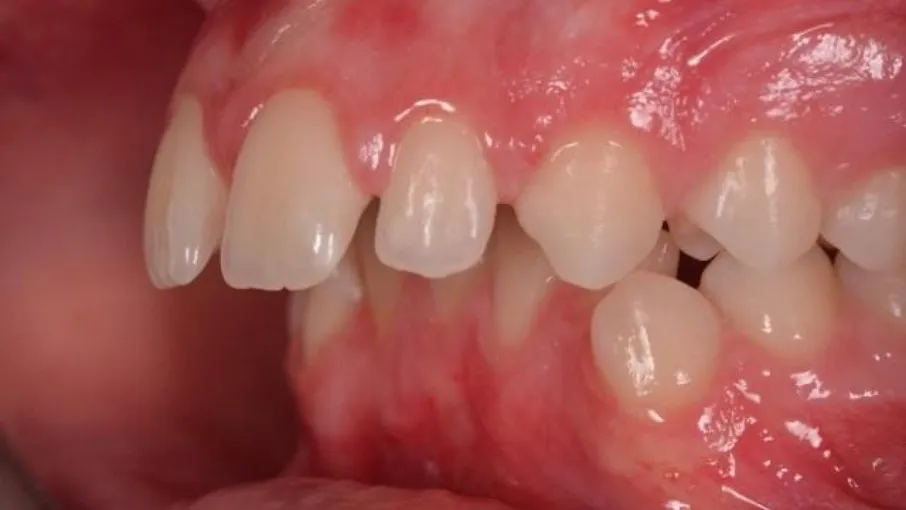
1. Protruding Front Teeth
The upper front teeth may move forward, creating a more prominent appearance.
2. Open Bite
The front teeth may not meet properly when the child closes their mouth.
3. Changes in Jaw Development
Persistent thumb sucking can influence the developing shape of the upper jaw and palate.
4. Crossbite
In some children, prolonged sucking habits may contribute to changes in the width and position of the upper jaw, resulting in a crossbite.
5. Speech or Oral Function Issues
Significant changes in tooth position or the way the jaws come together may sometimes affect speech or tongue function.
⏰ When Should a Child Stop Thumb Sucking?
Many children naturally stop sucking their thumb during early childhood.
Occasional thumb sucking in a young child is generally less concerning than a frequent habit that continues as the permanent teeth begin to erupt.
If your child continues the habit beyond the preschool years, it is worth discussing it with a pediatric dentist.
Rather than focusing only on a specific age, the important questions are:
How frequent is the habit? How forceful is it? And is it beginning to affect the teeth or jaw?
👶 Is Thumb Sucking Normal in Babies?
Yes.
For babies, sucking is a normal reflex and can provide comfort.
Parents generally don't need to panic about occasional thumb sucking in infancy.
The concern increases when the habit becomes persistent and continues for several years, particularly as the child's permanent teeth begin developing and erupting.
🚫 Should You Force Your Child to Stop?
Avoid punishment, shouting, or embarrassing your child.
Thumb sucking is often a comfort habit, and negative reactions can increase anxiety and make the habit harder to stop.
Instead, try positive approaches.
✔ Praise Your Child
Reward periods when they don't suck their thumb.
✔ Identify Triggers
Notice when your child tends to suck their thumb:
- Before sleeping
- While watching television
- When anxious
- When bored
- During stressful situations
Addressing the trigger can make stopping easier.
✔ Keep Hands Busy
Activities such as drawing, playing, or holding a toy can reduce opportunities for thumb sucking.
✔ Use Positive Reminders
A gentle reminder can be more effective than punishment.
✔ Create a Bedtime Routine
If thumb sucking mainly happens during sleep, establish a calming routine that provides alternative comfort.
🧸 What About Pacifiers?
Pacifiers can also be associated with dental changes if used excessively or for prolonged periods.
If your child uses a pacifier or sucks their thumb, your pediatric dentist can help you decide on an appropriate strategy for stopping the habit.
🩺 When Should You Take Your Child to a Dentist?
Consider a dental evaluation if:
- Thumb sucking continues as permanent teeth begin to appear
- The upper front teeth appear pushed forward
- There is a visible gap between the front teeth
- The child's bite appears unusual
- The upper jaw appears narrow
- You notice a crossbite
- You're having difficulty helping your child stop
Early evaluation doesn't necessarily mean your child needs treatment. It allows the dentist to monitor growth and determine whether the habit is affecting dental development.
🦷 Can Thumb-Sucking Damage Be Reversed?
Sometimes.
If the habit stops early, some mild dental changes may naturally improve as the child grows.
However, significant changes in tooth position or jaw development may require orthodontic treatment later.
The earlier persistent habits are identified, the easier it may be to prevent more significant dental changes.
🛠️ What If My Child Cannot Stop?
If positive reinforcement doesn't work and the habit continues, your pediatric dentist can discuss additional strategies.
In selected cases, a dentist or orthodontist may recommend a habit-breaking appliance.
These appliances are designed to discourage thumb sucking without relying on punishment.
They aren't necessary for every child and should only be considered after evaluating the child's age, dental development, and habit.
🦷 Does Thumb Sucking Affect Permanent Teeth?
It can.
The risk becomes more relevant when the habit continues while the permanent front teeth are developing and erupting.
Prolonged thumb sucking may contribute to:
- Increased overjet
- Open bite
- Crossbite
- Changes in the upper jaw
This is why persistent thumb sucking should be monitored rather than simply ignored.
🏥 Thumb Sucking & Children's Dental Care in Thane and Mulund West
At Procare Dental LLP, children's dental examinations can include monitoring of tooth eruption, bite development, jaw growth, and oral habits such as thumb sucking.
Parents can receive guidance on:
Habit identification → Positive habit-breaking strategies → Dental monitoring → Early intervention when required
The goal is to help the child stop the habit without creating unnecessary fear or anxiety around dental care.
❓ Frequently Asked Questions
Is thumb sucking harmful?
Not necessarily. Occasional thumb sucking in young children is common. The risk of dental changes increases with prolonged, frequent, or forceful sucking.
At what age should thumb sucking stop?
Many children stop naturally during early childhood. If the habit continues into the preschool years or as permanent teeth begin to appear, discuss it with a pediatric dentist.
Will thumb sucking cause crooked teeth?
It can contribute to tooth-position and bite changes, particularly when the habit is prolonged.
Should I punish my child for thumb sucking?
No. Positive reinforcement and identifying triggers are generally better approaches than punishment.
Can thumb sucking cause an open bite?
Yes. Prolonged thumb sucking can contribute to an anterior open bite, where the upper and lower front teeth don't meet properly.
Does every child who sucks their thumb need braces?
No. Many children do not need orthodontic treatment. If the habit stops early, some changes may improve naturally. An orthodontic assessment can determine whether treatment is necessary.
✅ Final Takeaway
Thumb sucking is normal in babies and young children, but prolonged thumb sucking can affect developing teeth and jaws.
If your child is still regularly sucking their thumb as they grow:
🧸 Avoid punishment
❤️ Use positive reinforcement
🔍 Identify when the habit occurs
🦷 Monitor tooth and bite development
👨⚕️ Consult a pediatric dentist if the habit persists
👉 The goal isn't to make your child feel bad about thumb sucking. It's to help them gradually stop before it causes significant changes to their developing teeth and jaws.
Procare Dental LLP – Thane & Mulund West, Mumbai
📞 7071876876
To know more tap on the link given below:
https://procaredental.in/latest-update/why-procare-dental-llp-is-a-trusted-dental-clinic-in-thane-mulund/290
Keywords