When a tooth is badly decayed, cracked, infected or damaged, patients are often faced with an important question:
“Should I save the tooth with a root canal, or is it better to remove it?”
In most situations, saving your natural tooth is preferred when the tooth can be predictably restored. However, extraction can be the better option when the tooth is too damaged to repair or has a poor long-term prognosis.
If you are considering root canal treatment in Thane or Mulund West Mumbai, understanding the difference can help you discuss the right option with your dentist.
🦷 What Is a Root Canal?
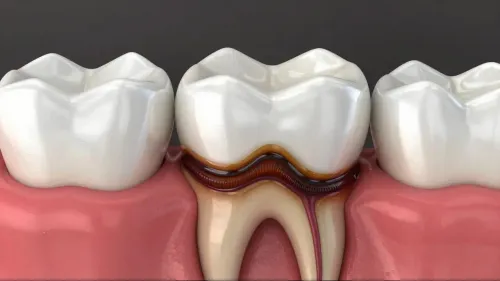
A root canal treatment (RCT) is performed when the soft tissue inside the tooth, called the pulp, becomes inflamed or infected.
During treatment, the dentist:
- Removes the infected or damaged pulp.
- Cleans and disinfects the root canals.
- Shapes the canals.
- Seals them with a suitable filling material.
- Restores the tooth, often with a dental crown when significant tooth structure has been lost.
The aim is to remove infection while preserving the natural tooth.
🦷 What Is Tooth Extraction?
Extraction involves completely removing the damaged tooth from its socket.
It may be recommended when the tooth:
- Cannot be restored adequately
- Has extensive structural damage
- Has a severe crack extending into the root
- Has advanced supporting bone or gum problems
- Has a very poor long-term prognosis
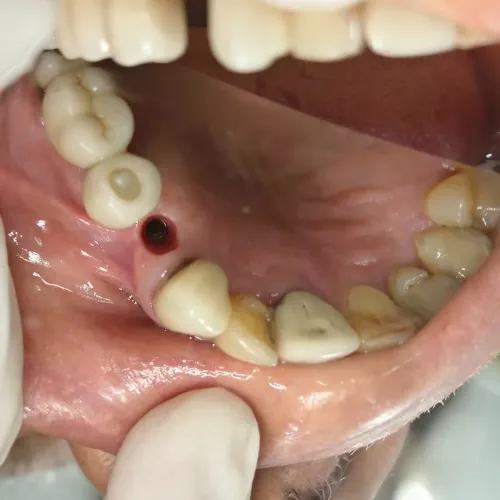
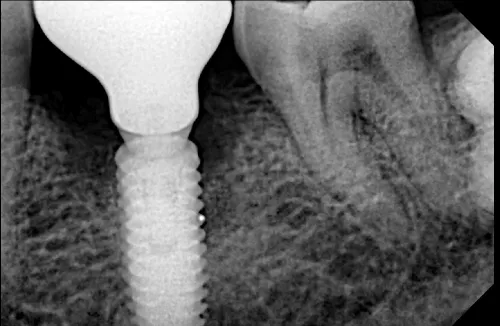
After extraction, the missing tooth may need to be replaced with a dental implant, bridge or removable denture, depending on the situation.
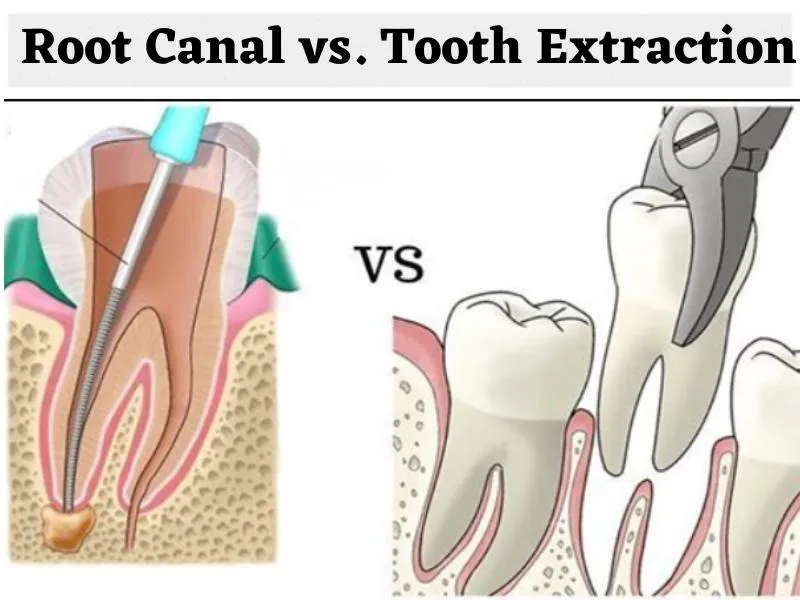
⚖️ Root Canal vs Extraction
FactorRoot CanalExtractionNatural toothPreservedRemovedInfectionRemoved from inside toothTooth itself removedTreatmentUsually requires 1 or more visitsOften completed in one procedureRecoveryUsually relatively manageableHealing of extraction socket requiredTooth replacementUsually crown/restorationOften needs replacementBone preservationHelps retain natural tooth and surrounding structuresBone can gradually remodel/resorb after tooth lossLong-term careRequires good oral hygiene and restorationReplacement tooth requires maintenance
✅ When Is Root Canal Usually Better?
A root canal may be preferred when the tooth has enough healthy structure and adequate support to be restored.
For example, a tooth may still be worth saving when:
- The pulp is infected but the root is structurally sound
- The tooth has sufficient remaining structure for a restoration
- The surrounding bone and gums provide adequate support
- The tooth can be properly restored after treatment
In such cases, removing the tooth would eliminate a potentially functional natural tooth unnecessarily.
❌ When Is Extraction the Better Option?
A root canal cannot save every tooth.
Extraction may be considered when the tooth has:
🔹 A severe vertical root fracture
A crack extending through the root can make predictable restoration difficult or impossible.
🔹 Very little remaining tooth structure
If there is insufficient healthy tooth structure above or below the gum to support a restoration, saving the tooth may not be predictable.
🔹 Severe periodontal damage
Advanced gum disease can result in significant loss of the bone supporting the tooth.
🔹 An unfavourable prognosis after previous treatment
Some teeth that have already undergone root canal treatment may develop persistent problems that cannot be predictably corrected.
The decision should be based on the long-term prognosis, rather than simply whether the tooth currently hurts.
😬 Does Root Canal Hurt More Than Extraction?
This is one of the most common concerns.
Modern root canal treatment and tooth extraction are generally performed under local anaesthesia, so you should not expect significant pain during the procedure.
After treatment, some tenderness can occur with either procedure.
The amount of discomfort depends on factors such as:
- Severity of infection
- Type and complexity of treatment
- Condition of the surrounding tissues
- Individual healing response
If you are anxious about dental treatment, discuss this with your dentist before the procedure.
🦷 What Happens If You Extract Instead of Saving the Tooth?
Extraction may solve the immediate problem, but it creates a missing-tooth space that may eventually need to be addressed.
Depending on the location and number of missing teeth, untreated tooth loss can contribute to:
- Movement of neighbouring teeth
- Changes in chewing function
- Changes in bite
- Bone resorption at the extraction site
If an implant is planned, the dentist may also need to consider how much bone remains after extraction.
This is why extraction should not automatically be considered the easier or cheaper long-term solution.
🦴 What If the Tooth Is Too Damaged for a Root Canal?
Sometimes the tooth cannot be saved, and extraction is the appropriate treatment.
In that situation, your dentist can discuss tooth-replacement options such as:
Dental Implant
An implant replaces the missing tooth root and can support a crown.
Dental Bridge
A fixed bridge uses adjacent teeth to support the replacement tooth.
Removable Denture
A removable prosthesis can replace one or multiple missing teeth.
The best option depends on your oral health, bone condition, number of missing teeth, bite, budget and long-term goals.
💰 Is Root Canal Cheaper Than Extraction?
The immediate cost of an extraction may be lower than a root canal and crown.
However, comparing only the initial procedure can be misleading.
For example:
Root canal → crown
may be the complete treatment for a restorable tooth.
Whereas:
Extraction → implant/bridge → crown
can involve considerably more treatment.
Your dentist should therefore compare the overall treatment plan and long-term prognosis, not just the price of the first procedure.
🩻 How Does a Dentist Decide Between Root Canal and Extraction?
Your dentist may evaluate:
- Amount of remaining tooth structure
- Extent of decay
- Presence and location of cracks
- Root anatomy
- Infection around the root
- Gum and bone support
- Previous dental treatment
- Ability to restore the tooth
- Your bite and chewing forces
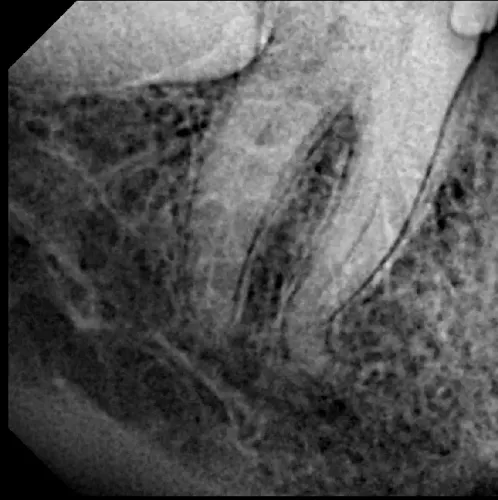
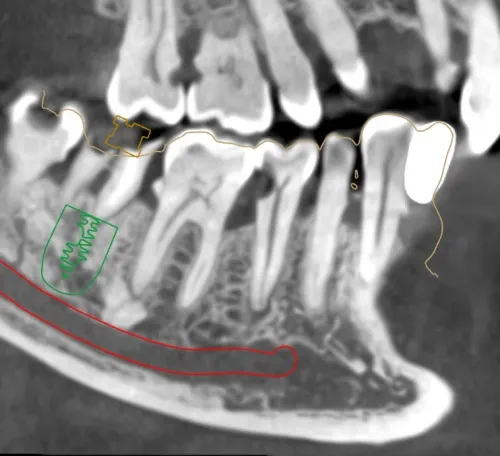
Dental X-rays are commonly used, and additional imaging such as CBCT may be recommended in selected complex cases.
🦷 Can a Cracked Tooth Have a Root Canal?
It depends on where and how deeply the tooth is cracked.
A crack affecting the crown may sometimes be managed with appropriate treatment and a protective restoration.
However, a vertical root fracture generally has a much poorer prognosis and may require extraction.
This is one reason why a detailed examination is important before deciding on treatment.
🚨 Don't Wait Until the Tooth Hurts
A tooth requiring root canal treatment doesn't always cause severe pain.
Sometimes infection can exist with relatively few symptoms, particularly when the nerve inside the tooth has already become non-vital.
If you have:
- Persistent tooth sensitivity
- Severe toothache
- Pain while biting
- Swelling around a tooth
- A recurring gum boil
- Deep decay
- A broken or heavily damaged tooth
get it evaluated rather than waiting for the symptoms to disappear.
🏆 So, Which Is Better: Root Canal or Extraction?
If the tooth can be predictably restored, preserving the natural tooth with root canal treatment is generally preferred.
If the tooth cannot be predictably restored, extraction may be the better option, followed by consideration of an appropriate replacement.
The right decision is therefore not simply “RCT vs extraction.”
It is:
“Which option gives this particular tooth the best long-term prognosis?”
A proper dental examination and X-ray can help answer that question.
Frequently Asked Questions
Is it better to save a tooth or remove it?
When a tooth is restorable with a good long-term prognosis, preserving the natural tooth is generally preferred. Extraction becomes appropriate when the tooth cannot be predictably restored.
Can every infected tooth be treated with a root canal?
No. The tooth also needs sufficient structure and supporting tissues to make restoration predictable.
What happens if I delay root canal treatment?
An untreated dental infection can worsen and may eventually cause an abscess, swelling or damage to surrounding tissues. Early evaluation can sometimes make treatment simpler.
Can I get an implant immediately after extraction?
In selected cases, an implant can be placed at the time of extraction. In other cases, healing or bone grafting may be required first.
Is extraction a permanent solution?
It permanently removes the problematic tooth, but it does not replace the missing tooth. Depending on the situation, replacement may be recommended.
🦷 Need Help Deciding Between RCT and Extraction?
If you have a badly damaged, decayed or painful tooth, don't decide on extraction solely because the tooth looks badly damaged. Some teeth that appear severely damaged can still be successfully restored.
A dentist can examine the tooth, assess its restorability and explain whether root canal treatment, extraction or another approach is most appropriate.
Procare Dental LLP – Thane & Mulund West, Mumbai
📞 7071876876
Keywords