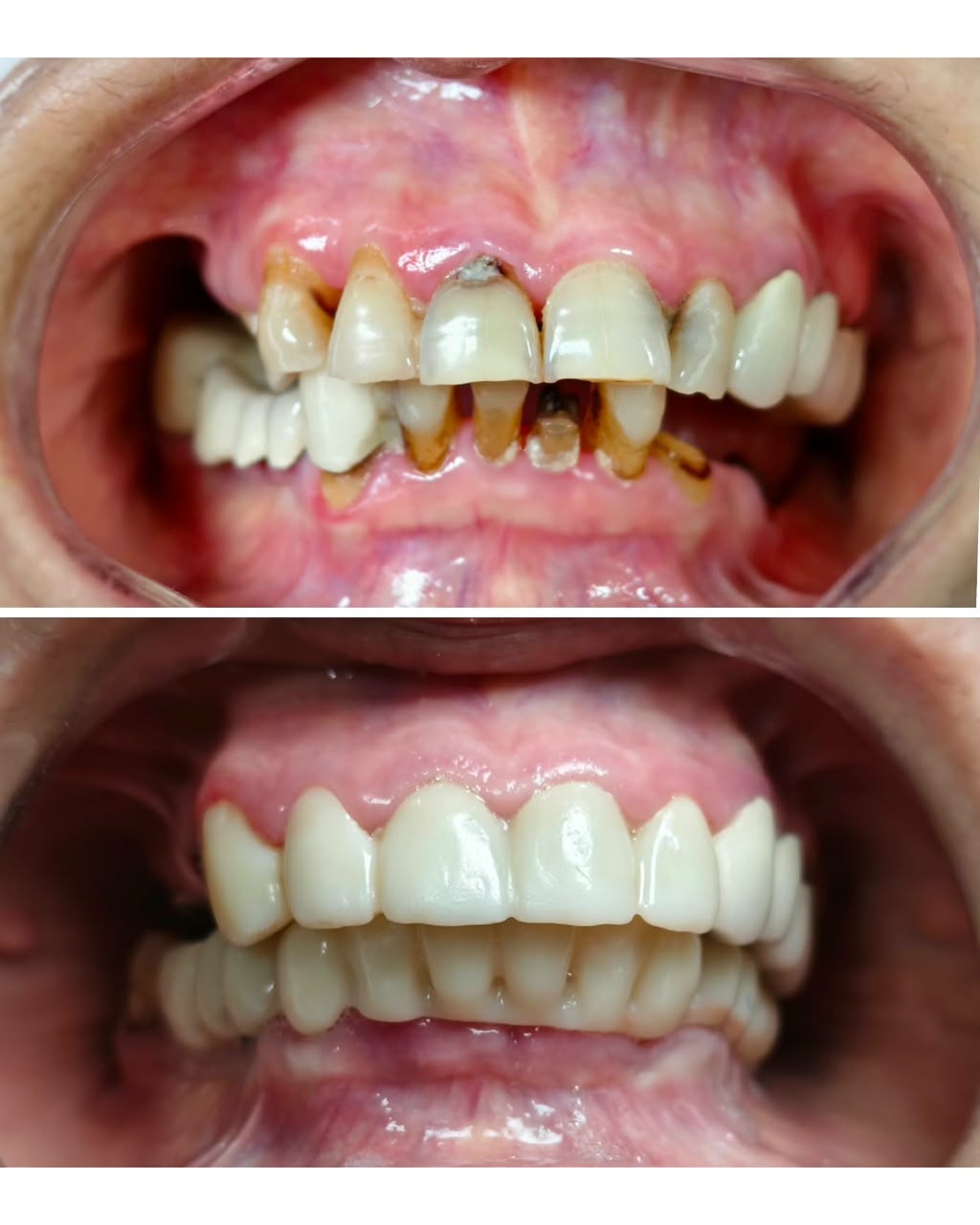
A loose adult tooth is not something to ignore.
Unlike baby teeth, permanent teeth are not supposed to become loose as part of normal development. However, a loose tooth does not automatically mean that it needs to be extracted.
In many cases, a loose tooth can be stabilised and saved—especially when the underlying cause is identified and treated early.
The most common cause is gum disease, but trauma, excessive bite forces, infection and loss of supporting bone can also make a tooth mobile.
🦷 Why Do Adult Teeth Become Loose?
A tooth is held in place by the periodontal ligament and the bone and gum tissues surrounding its root.
If these supporting structures are damaged or reduced, the tooth can become mobile.
Common causes include:
1. Gum Disease
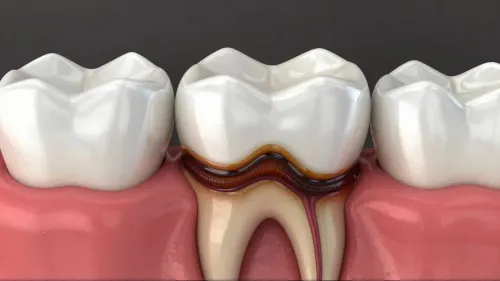
Periodontitis is one of the most common causes of loose teeth in adults.
Long-standing inflammation can cause loss of the bone supporting the teeth.
As the supporting bone decreases, teeth can gradually become mobile.
Other signs may include:
- Bleeding gums
- Swollen or red gums
- Gum recession
- Persistent bad breath
- Pus around the gums
- Food getting trapped between teeth
- Teeth appearing longer
- Increasing spaces between teeth
🦷 2. Trauma
A tooth can become loose after:
- A fall
- Sports injury
- Accident
- Blow to the mouth
- Biting something unusually hard
A traumatised tooth may sometimes be saved if it is treated promptly.
The appropriate treatment depends on the type and severity of the injury.
🦷 3. Excessive Bite Forces
Grinding or clenching can place excessive forces on teeth.
This may contribute to increased mobility, particularly when the supporting tissues are already compromised.
Your dentist may therefore evaluate your bite and tooth contacts as part of the assessment.
🦷 4. Infection
An infection around the root or supporting tissues can sometimes cause a tooth to become loose.
Depending on the cause, treatment may involve:
- Root canal treatment
- Drainage of infection
- Periodontal treatment
- Restoration of the tooth
🦷 5. Bone Loss
Bone loss can occur due to periodontal disease, infection, trauma or other conditions.
The amount and location of remaining bone are important factors in determining whether a mobile tooth can be saved.
This is why a loose tooth should not be judged only by how much it moves.
🦷 Can a Loose Tooth Be Saved?
Often, yes.
The possibility of saving the tooth depends on:
- The cause of mobility
- Amount of supporting bone remaining
- Severity of gum disease
- Tooth mobility
- Root condition
- Presence of infection
- Tooth position
- Bite forces
- Overall restorability of the tooth
A tooth with moderate mobility may sometimes become significantly more stable after appropriate periodontal treatment.
However, a tooth with severe bone loss, an unfavourable fracture or very poor prognosis may not be predictably maintainable.
🩻 How Does the Dentist Determine Whether It Can Be Saved?
Your dentist or periodontist may assess:
🦷 Tooth mobility
The amount and direction of movement are evaluated clinically.
🩸 Gum condition
The dentist checks for inflammation and periodontal pockets.
🦴 Supporting bone
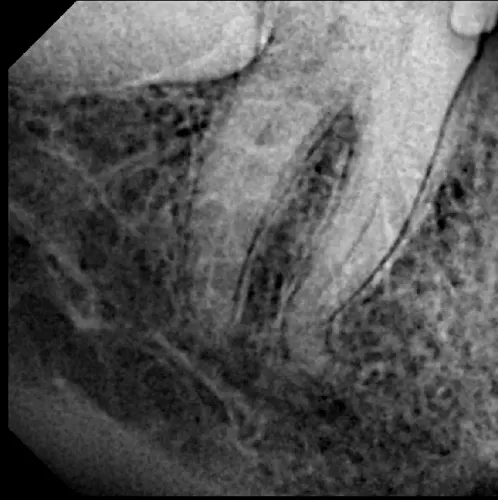
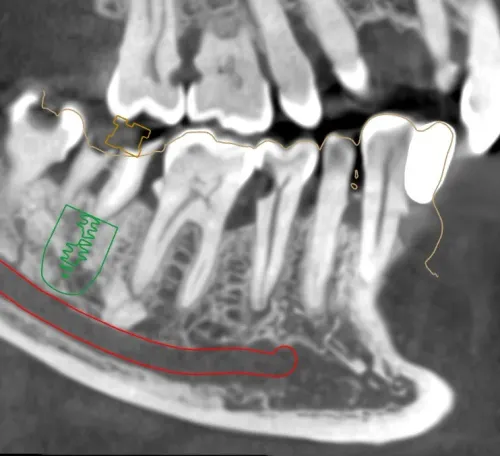
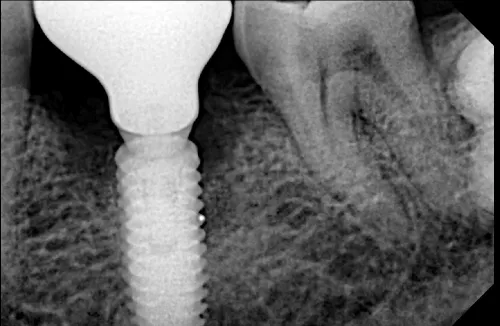
Dental X-rays can show the level and pattern of bone supporting the tooth.
In more complex cases, CBCT may provide additional three-dimensional information.
🦷 Root condition
The roots are evaluated for infection, fractures or other abnormalities.
😬 Bite
Excessive forces from clenching, grinding or an uneven bite may contribute to mobility.
🦷 What Treatments Can Help Save a Loose Tooth?
Treatment depends on the cause.
1. Professional Periodontal Treatment
If gum disease is responsible, treatment may include:
- Professional cleaning
- Scaling
- Root surface debridement/deep cleaning
- Improved home care
- Periodontal maintenance
For advanced periodontal disease, additional periodontal procedures may sometimes be required.
The goal is to control the infection and inflammation and preserve the remaining supporting tissues.
🦷 2. Splinting
If a tooth is mobile but otherwise has a reasonable prognosis, it may sometimes be stabilised by connecting it to neighbouring teeth.
This is called splinting.
A splint can:
- Reduce movement
- Improve comfort
- Allow the supporting tissues to heal
- Make eating more comfortable
But splinting is not a treatment for the underlying cause.
If gum disease is responsible, periodontal treatment is still essential.
🦷 3. Bite Adjustment
If excessive biting forces are contributing to mobility, your dentist may evaluate and adjust the bite where appropriate.
For patients with significant clenching or grinding, a customised night guard may also be considered.
🦷 4. Root Canal Treatment
If the tooth is loose because of infection originating from the pulp, root canal treatment may sometimes help resolve the underlying infection.
Once the infection is controlled, the tooth may become more stable if sufficient supporting tissues remain.
🦴 5. Regenerative Periodontal Treatment
In selected cases of periodontal bone loss, regenerative procedures may be considered to help restore supporting tissues around a tooth.
These procedures are case-dependent.
Not every type of bone loss can be regenerated, so careful assessment is necessary.
🦷 When Is a Loose Tooth More Difficult to Save?
Saving a tooth becomes less predictable when there is:
- Very severe bone loss
- Extensive root fracture
- Severe mobility
- Advanced periodontal destruction
- Extensive decay
- A tooth that cannot be restored
- Persistent infection despite appropriate treatment
In such cases, extraction may ultimately be recommended.
But this decision should ideally be made after determining the cause and assessing the tooth's prognosis.
⚠️ Don't Wait Until the Tooth Is Extremely Loose
One of the biggest mistakes patients make is waiting because:
“It doesn't hurt, so it must be okay.”
Gum disease can progress with surprisingly little pain.
If you notice that a permanent tooth has started moving, early evaluation gives you the best opportunity to identify the cause and preserve the tooth.
🦷 Can a Loose Tooth Tighten Again?
Sometimes.
If mobility is related to inflammation, infection or excessive forces, treating the underlying problem can reduce mobility.
For example:
Gum disease → periodontal treatment → inflammation reduces → tooth may become more stable
However, if substantial supporting bone has already been permanently lost, complete return to the original level of stability may not be possible.
🪥 What Should You Do If Your Tooth Is Loose?
Until you are evaluated:
✔ Keep the area clean
Continue gentle brushing and appropriate interdental cleaning.
✔ Avoid biting hard foods with the tooth
Especially avoid hard or sticky foods if the tooth is significantly mobile.
✔ Don't repeatedly test the tooth
Constantly pushing or wiggling it can further irritate the surrounding tissues.
✔ Don't attempt to splint it yourself
Improvised splints can trap plaque and worsen gum inflammation.
✔ Schedule a dental examination
Particularly if the mobility is new or increasing.
🦷 Can Gum Disease Make Multiple Teeth Loose?
Yes.
When several adult teeth gradually become mobile, periodontal disease should be one of the first possibilities considered.
A comprehensive periodontal examination can determine:
- Which teeth are affected
- Amount of bone loss
- Periodontal pocket depths
- Degree of mobility
- Overall periodontal health
Treatment can then be planned according to the severity.
🦷 What If the Tooth Cannot Be Saved?
If a tooth has a hopeless prognosis, extraction may be the safest option.
But losing one tooth doesn't mean you have to live with a gap.
Replacement options may include:
- Dental implant
- Dental bridge
- Removable partial denture
If an implant is being considered, it is often useful to discuss this before extraction, because the extraction and site preservation can sometimes be planned to support future implant treatment.
🆚 Save the Tooth vs Extract It
Save the ToothExtract the ToothNatural tooth retained✅❌Requires treatmentUsuallyYesSupporting boneMust be assessedSite may remodel after extractionPeriodontal treatmentOften requiredDepends on causeFuture replacementUsually not neededUsually requiredLong-term maintenanceEssentialReplacement requires maintenance
When a tooth has a reasonable prognosis, preserving the natural tooth is generally preferable.
But keeping a tooth that has a hopeless prognosis can delay appropriate treatment and potentially compromise the surrounding tissues.
❓ Frequently Asked Questions
Is it normal for adult teeth to be slightly loose?
Permanent teeth should generally feel stable. Even mild new mobility deserves assessment, particularly if it is increasing.
Can a loose tooth be saved?
Yes, many loose teeth can be stabilised when the underlying cause is treatable and sufficient supporting tissue remains.
Does a loose tooth always mean gum disease?
No. Trauma, excessive bite forces, infection and other conditions can also cause mobility.
Can scaling save a loose tooth?
If gum disease is contributing to the mobility, professional periodontal treatment can help control inflammation and may reduce mobility. However, advanced cases may require additional treatment.
Does splinting cure a loose tooth?
No. Splinting stabilises the tooth but does not treat the underlying cause. If periodontal disease is responsible, it must also be treated.
Should a loose tooth be extracted immediately?
Not necessarily. If the tooth may be salvageable, its cause and prognosis should be evaluated before deciding on extraction.
What if my loose tooth doesn't hurt?
That does not necessarily mean the problem is minor. Periodontal disease, in particular, can progress without significant pain.
🦷 The Bottom Line
A loose adult tooth does not automatically mean extraction.
The most important step is to find out why the tooth is loose.
If the cause is gum disease, infection or excessive bite forces, appropriate treatment may improve stability and help preserve the tooth.
The earlier the problem is assessed, the more options you may have.
If you notice a loose adult tooth, bleeding gums, gum recession, food getting trapped or increasing spaces between your teeth, don't wait for the tooth to become very mobile.
A periodontal examination and appropriate X-rays can help determine whether the tooth can be saved and what treatment is required.
Procare Dental LLP – Thane & Mulund West, Mumbai
📞 7071876876
Keywords