Patients with heart conditions or diabetes often ask an important question before considering implants:
“Is dental implant surgery safe for me?”
The reassuring answer is:
👉 Yes, dental implants can be safely done in most heart and diabetic patients — provided proper medical evaluation, planning, and precautions are followed.
If you’re in Thane, Mulund, or Mumbai, this guide explains when implants are safe, what precautions are needed, and how risks are managed.
Dental Implants & Medical Conditions – The Truth
Dental implants are minor surgical procedures, but they still involve:
• Healing
• Bone integration
• Infection control
Medical conditions like heart disease and diabetes do not automatically disqualify you from implants. What matters is how well the condition is controlled.
Are Dental Implants Safe for Diabetic Patients?
✅ YES — If Diabetes Is Well Controlled
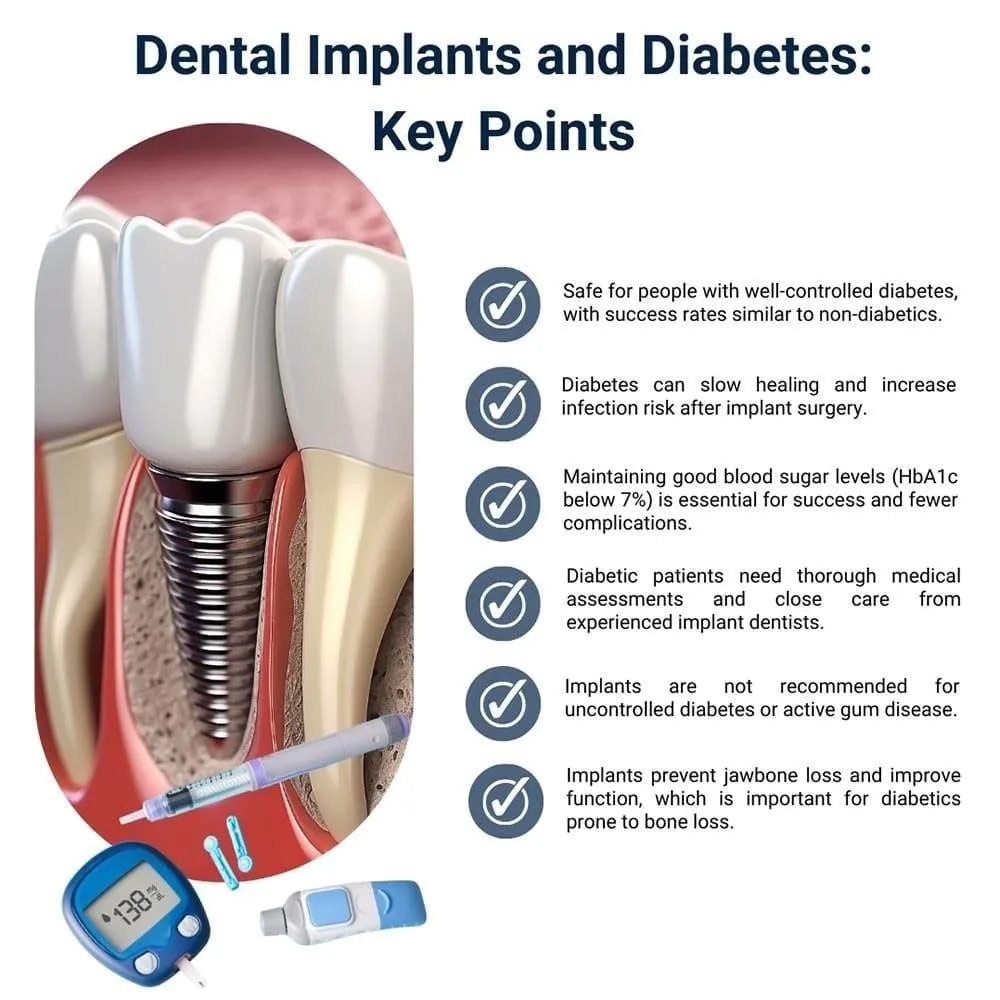
Controlled diabetes patients can successfully receive dental implants with success rates similar to non-diabetics.
Why Diabetes Matters
Diabetes can affect:
• Wound healing
• Infection resistance
• Bone metabolism
Poorly controlled blood sugar increases implant failure risk.
When Implants Are Considered Safe in Diabetics
Implants are generally safe if:
✔ HbA1c is within acceptable range
✔ Blood sugar levels are stable
✔ Patient follows medications regularly
✔ Oral hygiene is good
Your dentist may coordinate with your physician before treatment.
Special Precautions for Diabetic Patients
At Procare Dental LLP, we:
• Review recent blood reports
• Schedule surgery at optimal times
• Use antibiotic cover when required
• Ensure minimally invasive techniques
• Monitor healing closely
These steps significantly reduce complications.
Are Dental Implants Safe for Heart Patients?
✅ YES — With Proper Medical Clearance
Most heart patients can safely undergo dental implant treatment.
This includes patients with:
• High blood pressure
• Previous angioplasty
• Bypass surgery
• Heart valve issues
• Pacemakers
Important Considerations for Heart Patients
Dentists evaluate:
• Current medications (blood thinners)
• Blood pressure stability
• Risk of infection (endocarditis)
• Stress and anxiety levels
Implant treatment is planned accordingly.
Blood Thinners & Implants – Is It a Problem?
Not necessarily.
• Blood thinners are usually not stopped without physician approval
• Minor adjustments or precautions are taken
• Implant surgery is carefully controlled
Stopping medicines on your own is never advised.
Why Medical Clearance Is Important
Medical clearance helps:
✔ Reduce surgical risk
✔ Adjust medications safely
✔ Prevent complications
✔ Ensure smooth healing
It’s a safety step — not a barrier.
What Makes Implants Safer for Medically Compromised Patients?
Modern dentistry has greatly improved safety through:
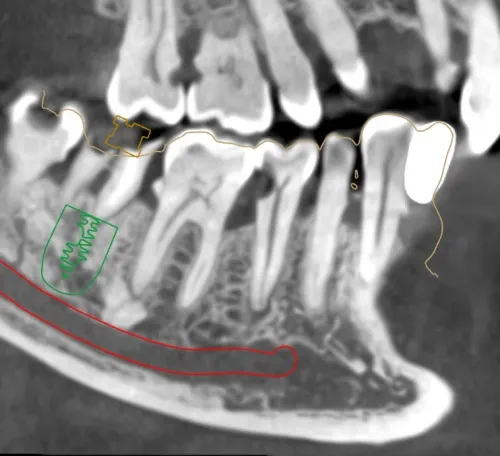
• CBCT (3D) imaging
• Guided implant surgery
• Minimally invasive techniques
• Shorter surgical time
• Better infection control
These advancements reduce stress on the body.
When Implants May Be Postponed (Not Cancelled)
Implants may be delayed if:
❌ Diabetes is uncontrolled
❌ Recent heart event
❌ Poor oral hygiene
❌ Active infections
Once conditions are stabilised, implants can often be done safely.
Why Procare Dental LLP Is Trusted for High-Risk Patients
Patients in Thane & Mulund trust us because we provide:
✔ Detailed medical evaluation
✔ Physician coordination when needed
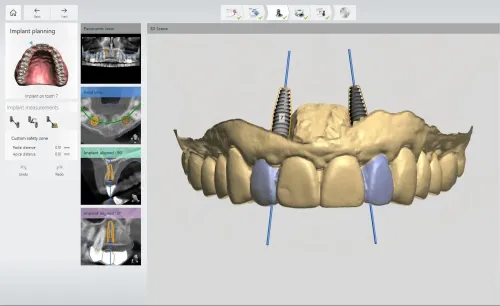
✔ Digital implant planning
✔ Gentle, guided surgery
✔ Ethical decision-making
✔ Focus on long-term safety
We never rush treatment at the cost of patient health.
Final Takeaway
✔ Dental implants are safe for most heart and diabetic patients
✔ Control and planning matter more than the diagnosis itself
✔ Medical clearance and expert care make all the difference
With the right approach, implants can restore your smile without compromising your overall health.
Book a Medically Safe Implant Consultation
📍 Clinics in Thane & Mulund
📞 7071876876
Keywords