Severe tooth pain can strike unexpectedly and make it difficult to eat, sleep, or focus on daily activities. If you're searching for an emergency dentist in Thane, knowing the right steps to take can help reduce discomfort and prevent the problem from worsening.
👉 While some toothaches may seem minor at first, persistent or intense pain often signals an underlying dental issue that requires professional attention.
🚨 Common Causes of Severe Tooth Pain
Severe tooth pain can occur due to:
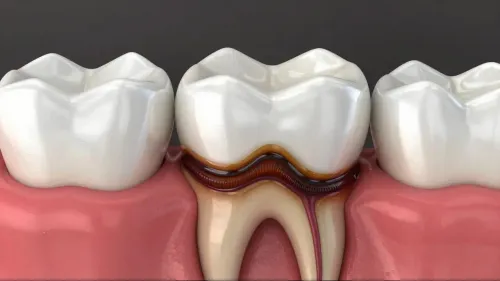
- Deep tooth decay
- Dental abscess (infection)
- Cracked or fractured tooth
- Gum infection
- Impacted wisdom tooth
- Loose fillings or crowns
- Tooth trauma or injury
👉 Identifying the cause early helps prevent complications and reduces the need for extensive treatment later.
⚠️ Signs You Need an Emergency Dentist
Seek urgent dental care if you experience:
✔ Severe, throbbing tooth pain
✔ Swelling in the gums, jaw, or face
✔ Fever along with dental pain
✔ Pus discharge around a tooth
✔ Difficulty chewing or opening your mouth
✔ Broken or knocked-out tooth
✔ Uncontrolled bleeding after dental trauma
These symptoms may indicate a serious infection that requires immediate treatment.
🦷 What to Do Immediately During Severe Tooth Pain
1. Rinse With Warm Salt Water
A warm salt-water rinse can:
- Reduce bacteria
- Soothe inflamed tissues
- Help clean the affected area
👉 Mix half a teaspoon of salt in a glass of warm water and rinse gently.
2. Apply a Cold Compress
Place a cold pack on the outside of your cheek.
⏱️ Apply for 10–15 minutes at a time
This can help:
- Reduce swelling
- Ease discomfort
- Control inflammation
3. Keep the Area Clean
- Brush gently around the painful tooth
- Remove any trapped food particles
- Continue regular oral hygiene
👉 Avoid aggressive brushing near the affected area.
4. Avoid Trigger Foods
Until you see a dentist, avoid:
❌ Hot beverages
❌ Ice-cold foods
❌ Hard foods
❌ Sticky sweets
These can worsen pain and sensitivity.
❌ What You Should NOT Do
Avoid:
- Placing aspirin directly on gums
- Applying excessive heat to the area
- Ignoring facial swelling
- Delaying treatment for several days
👉 Home remedies may offer temporary relief but cannot eliminate the source of infection.
⚙️ What Happens During an Emergency Dental Visit?
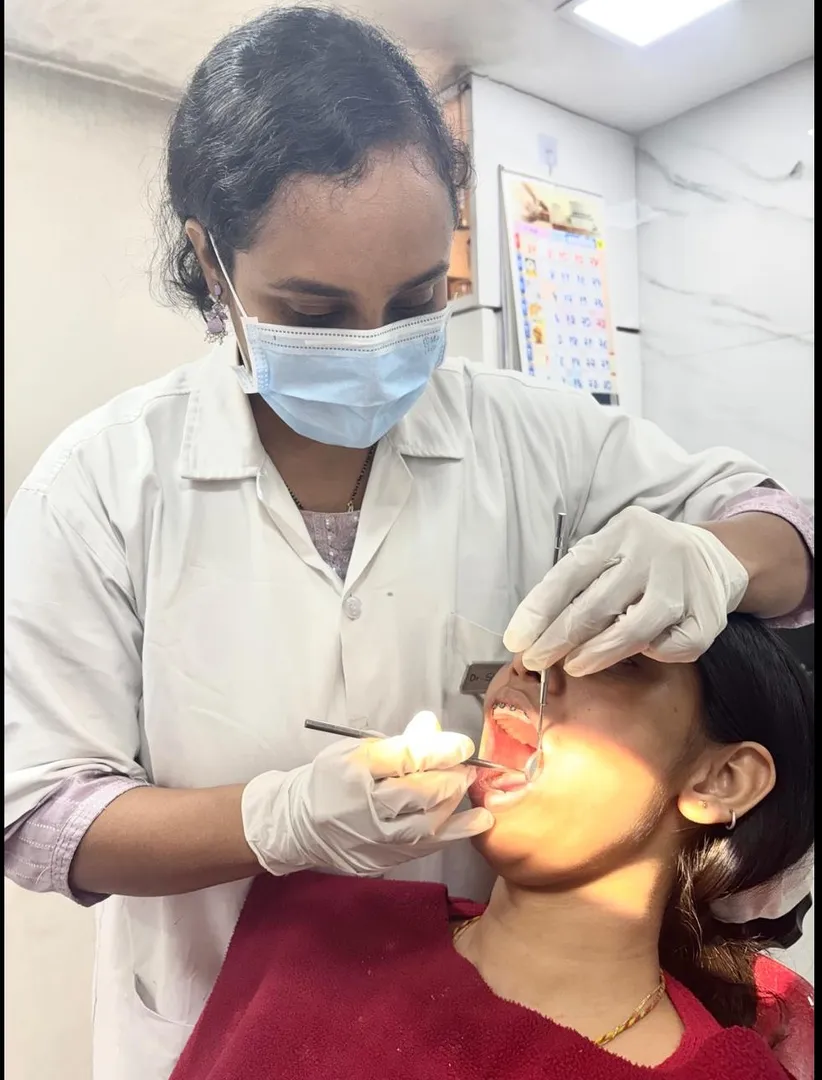
When you visit an emergency dentist, the dentist may:
- Examine the painful tooth
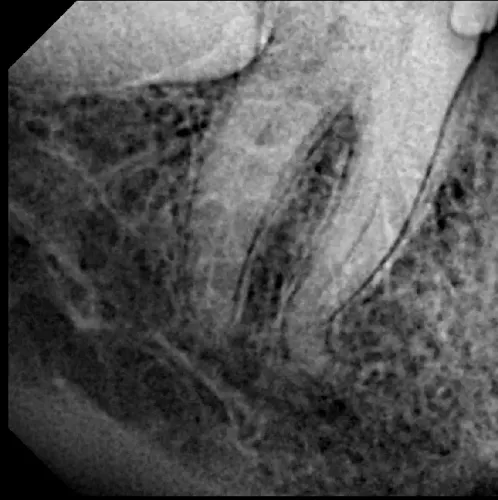
- Take digital X-rays
- Diagnose the cause of pain
- Recommend appropriate treatment
Depending on the problem, treatment may include:
- Root canal treatment
- Tooth extraction
- Drainage of infection
- Temporary restoration
- Pain management
At Procare Dental LLP, emergency dental appointments focus on immediate pain relief while addressing the underlying cause.
😌 Can Severe Tooth Pain Go Away on Its Own?
Sometimes the pain may temporarily reduce.
However, this does not mean the problem has resolved.
Untreated dental infections can lead to:
- Increased pain
- Facial swelling
- Spread of infection
- Tooth loss
👉 Early treatment is often simpler, faster, and more affordable.
💡 How to Prevent Dental Emergencies
✔ Visit your dentist regularly
✔ Treat cavities early
✔ Maintain good oral hygiene
✔ Avoid chewing ice or hard objects
✔ Don't ignore mild tooth sensitivity or pain
✅ Final Takeaway
If you're experiencing severe tooth pain:
✔ Rinse with warm salt water
✔ Use a cold compress
✔ Avoid extreme temperatures
✔ Contact an emergency dentist promptly
👉 Quick action can relieve discomfort, prevent complications, and help save your natural tooth.
📍 Procare Dental LLP – Thane & Mulund
📞 7071876876
Keywords