One of the most common concerns among people with diabetes is:
'Can I safely get dental implants if I have diabetes?'
The answer is yes—in many cases, diabetic patients can successfully receive dental implants, provided their diabetes is well controlled and they are carefully evaluated before treatment. Advances in implant dentistry, digital planning, and surgical techniques have made implant treatment predictable for many patients living with diabetes.
🦷 Does Diabetes Affect Dental Implant Success?
Diabetes can affect:
- Wound healing
- Immune response
- Bone healing
- Risk of infection
If blood sugar levels remain poorly controlled, healing after implant surgery may be slower and the risk of complications can increase.
However, patients with well-controlled diabetes generally have implant success rates comparable to those without diabetes.
✅ Who Is a Good Candidate?
You may be a suitable candidate if:
✔ Your diabetes is well controlled
✔ You attend regular medical check-ups
✔ You maintain good oral hygiene
✔ Your gums are healthy
✔ You have adequate bone to support an implant
Before treatment, your dentist will review your medical history and may communicate with your physician if necessary.
🩺 Why Blood Sugar Control Is Important
Good blood sugar control helps:
✔ Improve healing
✔ Reduce the risk of infection
✔ Support bone integration with the implant
✔ Increase long-term implant success
Many implant dentists prefer that patients have an HbA1c level below approximately 7–8%, although the ideal target varies depending on the individual and should be determined in consultation with the patient's physician.
📋 Pre-Treatment Assessment
Before implant placement, your dentist may recommend:
- Medical history review
- Blood sugar assessment
- HbA1c report
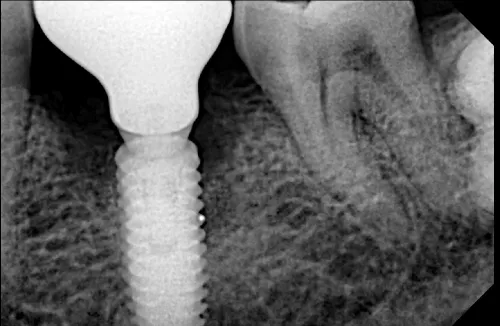
- Digital X-rays
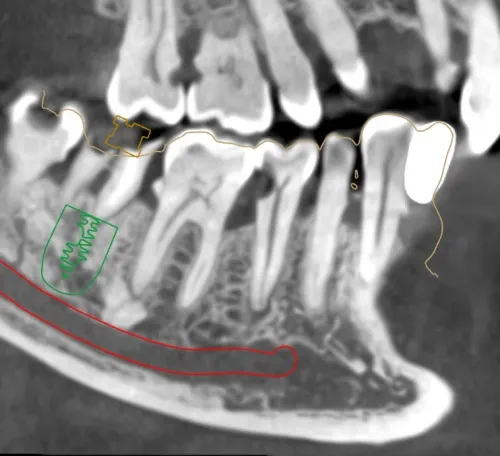
- CBCT (3D) scan
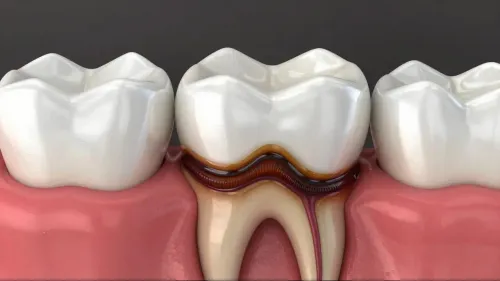
- Comprehensive gum evaluation
At Procare Dental LLP, implant treatment for diabetic patients begins with a thorough medical and dental evaluation to ensure the safest possible treatment plan.
⚙️ How Is the Procedure Different for Diabetic Patients?
The implant procedure itself is generally the same.
However, your dentist may:
✔ Schedule shorter appointments
✔ Monitor healing more closely
✔ Recommend preventive measures to reduce infection risk
✔ Arrange additional follow-up visits
Each treatment plan is customized according to your overall health and diabetes control.
⏱️ Healing After Dental Implants
Healing may take slightly longer in some diabetic patients.
Typical healing timeline:
StageAverage TimeInitial Gum Healing1–2 weeksBone Integration (Osseointegration)3–6 monthsFinal Crown PlacementAfter successful healing
Good diabetes management throughout the healing period is essential for the best outcome.
😌 Is Implant Surgery Safe for Diabetic Patients?
For patients with well-controlled diabetes, implant surgery is generally considered safe.
Modern implant procedures are performed under local anaesthesia and are usually associated with:
✔ Minimal discomfort
✔ Mild swelling
✔ Quick recovery for most patients
Your dentist will provide personalized post-operative instructions to support healing.
🦷 Tips for Better Implant Success
To improve long-term outcomes:
✔ Keep blood sugar levels well controlled
✔ Brush twice daily
✔ Floss or clean around the implant daily
✔ Attend regular dental check-ups
✔ Avoid smoking
✔ Follow your dentist's post-operative instructions carefully
These habits reduce the risk of peri-implant disease and improve implant longevity.
⚠️ When Might Implant Treatment Be Delayed?
Your dentist may recommend postponing implant surgery if:
- Blood sugar is poorly controlled
- Active gum disease is present
- There is an untreated dental infection
- Your physician advises stabilizing your medical condition first
Treating these issues before implant placement increases the likelihood of long-term success.
💰 Are Dental Implants Worth It for Diabetic Patients?
Many diabetic patients enjoy the same benefits as other implant patients, including:
✔ Better chewing ability
✔ Improved speech
✔ Natural-looking smile
✔ Greater confidence
✔ Preservation of jawbone
With appropriate case selection and good diabetes management, dental implants can be a durable, long-term solution.
✅ Final Takeaway
Yes, most patients with well-controlled diabetes can successfully receive dental implants.
✔ Comprehensive medical evaluation
✔ Good blood sugar control
✔ Excellent oral hygiene
✔ Regular follow-up care
These factors play a major role in achieving successful implant treatment.
👉 If you have diabetes and are considering dental implants, a detailed consultation with your dentist and physician can help determine whether implant treatment is the right option for you.
📍 Procare Dental LLP – Thane & Mulund
📍 Thane Branch: Nitin Company Junction, Prestige Gardens, Thane West
📞 7071876876
Tap on the link given below:
https://www.procaredental.in/latest-update/dental-implants-for-seniors-is-age-just-a-number/257
Keywords