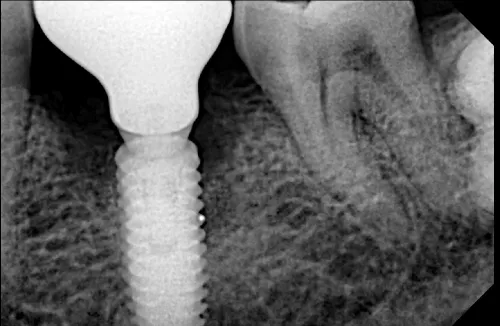
Dental implants are designed to replace missing teeth and restore chewing function and appearance. But before placing an implant, your dentist needs to make sure there is enough healthy bone to support it.
If a tooth has been missing for a long time, the jawbone in that area can gradually shrink. In some patients, there may not be enough bone for predictable implant placement.
This is where bone grafting may be recommended.
If you're considering dental implants in Thane or Mulund West Mumbai, understanding when bone grafting is needed and what the procedure involves can help you prepare for your treatment.
🦷 What Is Bone Grafting?
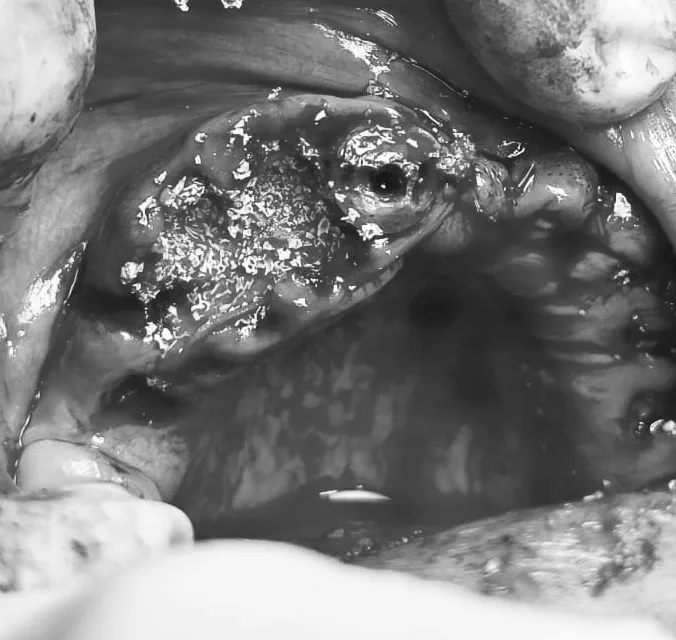
Dental bone grafting is a procedure used to add or regenerate bone in an area where there isn't enough suitable bone for implant treatment.
The graft material acts as a framework that allows your body to form new bone over time.
Bone grafting may be used to improve:
- Bone height
- Bone width
- Bone volume
- Support around an implant
It is not required for every dental implant patient.
Your dentist determines whether grafting is needed after evaluating the available bone clinically and through appropriate dental imaging.
❓ Why Do Some Patients Lack Enough Bone for Implants?
Several factors can contribute to insufficient bone.
1. Long-Term Missing Teeth
After a tooth is lost, the bone that previously supported its root no longer receives the same stimulation.
Over time, the bone can gradually become narrower and/or shorter.
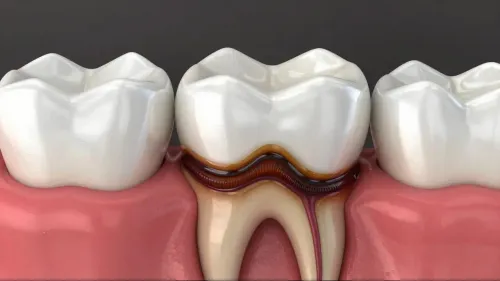
2. Previous Tooth Infection
A severe infection around a tooth can cause bone destruction.
If the tooth is subsequently removed, there may not be sufficient bone remaining for immediate implant placement.
3. Gum Disease
Advanced periodontal disease can cause loss of the bone supporting teeth.
Patients who have experienced significant bone loss may require periodontal treatment and, in selected cases, bone augmentation before implant placement.
4. Tooth or Jaw Trauma
An injury may result in loss or damage to the bone surrounding a tooth.
5. Natural Bone Anatomy
Some patients naturally have a thin or narrow ridge and may require augmentation to create adequate conditions for an implant.
🩻 How Does Your Dentist Know If You Need a Bone Graft?
A clinical examination alone may not provide enough information.
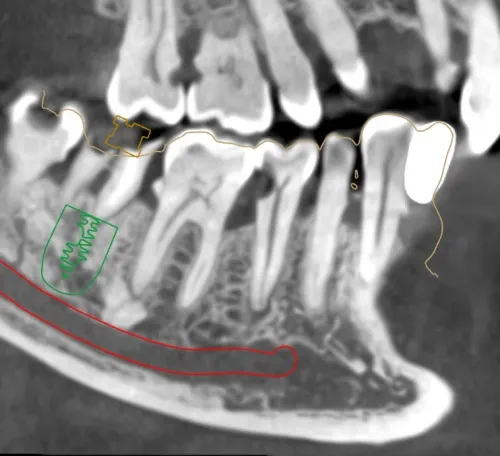
Your dentist may recommend 3D CBCT imaging to evaluate:
- Bone height
- Bone width
- Bone density and anatomy
- Position of nearby structures
- Sinus location in the upper jaw
- Nerve position in the lower jaw
This information helps determine whether an implant can be placed directly or whether additional bone augmentation is advisable.
🦷 When Is Bone Grafting Needed?
Bone grafting may be recommended when the existing bone does not provide adequate support for predictable implant placement.
Depending on the location and amount of bone deficiency, different procedures may be considered.
1. Socket Preservation
When a tooth is being extracted and an implant is planned for the future, a graft may sometimes be placed at the time of extraction.
This is called socket preservation.
The objective is to help limit the loss of bone volume following extraction.
It doesn't guarantee that future bone loss will be completely prevented, and it does not mean every extraction requires a graft.
2. Ridge Augmentation
If the jawbone is too narrow or has lost significant volume, a ridge augmentation may be performed.
The procedure adds graft material to increase the width or height of the bone.
After healing, the area is reassessed to determine whether it is suitable for implant placement.
3. Sinus Lift
A sinus lift is a bone-grafting procedure used in selected areas of the upper back jaw.
When upper molars are missing, the sinus may be positioned close to the jawbone, leaving insufficient vertical bone for an implant.
A sinus lift gently elevates the sinus membrane and places graft material beneath it to increase available bone height.
🧬 What Materials Are Used for Bone Grafting?
Different graft materials can be used depending on the patient's needs.
They may include:
Autogenous Bone
Bone obtained from another area of the patient's own body.
Allograft
Bone graft material obtained from a human donor source and processed for clinical use.
Xenograft
Graft material derived from another species, commonly bovine-derived material that has been specially processed for medical/dental use.
Synthetic Graft Materials
Artificial materials designed to provide a scaffold for bone regeneration.
Your dentist will select the appropriate material based on the location, amount of bone deficiency and treatment plan.
⚙️ How Does Bone Grafting Work?
The basic process is:
Step 1: Examination & Imaging
Your dentist assesses the missing tooth area and uses imaging when required.
Step 2: Treatment Planning
The dentist determines whether an implant can be placed immediately or whether bone augmentation is needed first.
Step 3: Graft Placement
The graft material is placed in the area where additional bone volume is required.
Step 4: Healing
The graft provides a framework for new bone formation.
The healing period varies depending on the type and size of graft and the patient's individual healing response.
Step 5: Implant Placement
Once adequate bone has developed, the area is reassessed and the implant can be placed when appropriate.
🦷 Can an Implant Be Placed at the Same Time as a Bone Graft?
Sometimes, yes.
Whether simultaneous implant placement and bone grafting is possible depends on:
- Amount of remaining bone
- Stability achievable for the implant
- Location of the implant
- Size of the defect
- Type of grafting required
- Overall oral health
In some cases, the implant can be placed at the same appointment as the graft.
In other cases, the graft needs to heal first before implant placement.
There is no single approach that is appropriate for every patient.
⏱️ How Long Does Bone Grafting Take to Heal?
Healing time varies considerably.
Some smaller grafting procedures may require only a few months before implant placement, while larger or more complex grafts may require a longer healing period.
Your dentist will assess the graft clinically and through imaging when appropriate before proceeding with implant placement.
The important point is:
Bone grafting is not simply about placing material and immediately putting in an implant. Adequate healing and bone development need to be considered.
😌 Is Bone Grafting Painful?
The procedure is generally performed under local anaesthesia, so you should not feel pain during the surgery.
Afterward, some patients may experience:
- Swelling
- Mild discomfort
- Bruising
- Tenderness
- Temporary sensitivity
Your dentist will provide postoperative instructions and medication when required.
🍲 What Can You Eat After Bone Grafting?
Your dentist may recommend a soft diet initially.
Suitable options can include:
- Soft rice
- Khichdi
- Dal
- Yogurt
- Soft vegetables
- Eggs
- Smooth foods
Avoid chewing directly over the surgical area and follow the specific dietary instructions provided by your dentist.
🚭 Smoking and Bone Grafting
Smoking can interfere with healing and increase the risk of complications.
If you're undergoing bone grafting or implant treatment, your dentist may strongly recommend avoiding smoking and tobacco products.
Good oral hygiene and following postoperative instructions are also important for successful healing.
🦷 Does Everyone With Bone Loss Need a Bone Graft?
No.
The amount and location of bone loss matter.
Some patients with limited bone may still be suitable for implant placement using alternative implant positioning or other techniques.
In other situations, augmentation may provide a more predictable foundation.
The decision should be based on clinical examination, imaging and the overall implant treatment plan.
💰 How Much Does Bone Grafting Cost?
The cost varies depending on:
- Type of graft
- Amount of graft material required
- Location of the graft
- Whether a sinus lift is needed
- Surgical complexity
- Imaging requirements
- Whether grafting is performed with extraction or implant placement
A consultation and appropriate imaging are needed to provide an accurate estimate.
🏥 Bone Grafting for Dental Implants in Thane & Mulund West
At Procare Dental LLP, patients considering dental implants can undergo an assessment of the available bone before treatment planning.
Depending on the case, treatment planning may involve:
Clinical examination → Digital imaging/CBCT → Bone assessment → Grafting when required → Healing → Implant placement → Final crown
The aim is to determine the most appropriate approach for achieving a stable and functional implant restoration.
❓ Frequently Asked Questions
Is bone grafting necessary for every dental implant?
No. Many patients have sufficient bone for implant placement without grafting.
Can you get dental implants with bone loss?
Often, yes. Depending on the amount and location of bone loss, options may include bone grafting, sinus augmentation, or alternative implant techniques.
Can bone grafting and implant placement be done together?
Sometimes. If sufficient implant stability can be achieved, both procedures may be performed during the same treatment. In other cases, the graft needs to heal before the implant is placed.
How long after bone grafting can I get an implant?
The timing depends on the type and extent of grafting and your healing response. Your dentist will reassess the area before implant placement.
Is bone grafting safe?
Bone grafting is a commonly performed procedure, but like any surgical treatment, it has potential risks. Your dentist will discuss the benefits and risks based on your individual case.
Is bone grafting painful?
The procedure is performed under local anaesthesia. Some swelling and discomfort may occur afterward, but postoperative medication and instructions can help manage it.
✅ Final Takeaway
Bone grafting is not required for every dental implant, but it can help patients who don't have enough suitable bone for predictable implant placement.
It may be considered when bone has been lost due to:
🦷 Long-term tooth loss
🦠 Previous infection
🩸 Advanced gum disease
🤕 Trauma
🦴 Naturally limited bone volume
Depending on the situation, treatment may involve socket preservation, ridge augmentation, or a sinus lift.
👉 If you're considering a dental implant and have been told that you don't have enough bone, don't assume that implants are impossible. A detailed clinical examination and appropriate imaging can determine whether bone grafting or another treatment approach can make implant placement possible.
Procare Dental LLP – Thane & Mulund West, Mumbai
📞 7071876876
Keywords