If you've been told you need a bone graft before getting a dental implant, you may be wondering:
“Is it really necessary?”
Not every dental implant patient needs a bone graft.
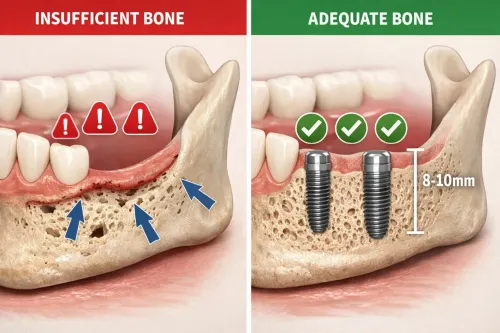
A graft is recommended when the available bone is not sufficient in volume or position to support the planned implant safely and predictably. In some cases, the implant can be placed without grafting. In others, grafting may be essential for adequate support, aesthetics or long-term stability.
The decision should be based on your individual bone anatomy and the position required for the final tooth, rather than using a standard rule for every patient.
🦴 Why Do You Sometimes Need a Bone Graft?
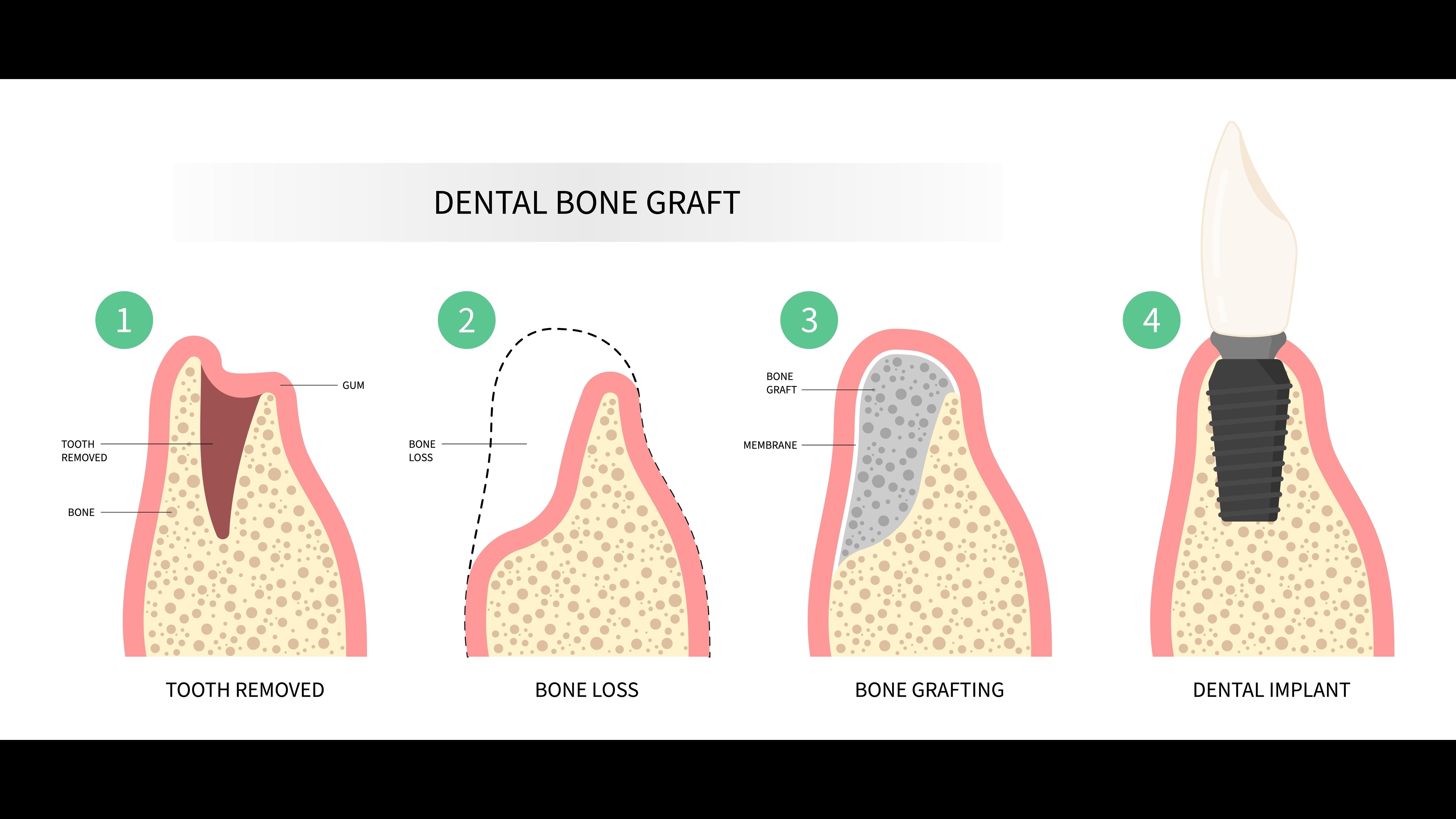
When a tooth is lost, the bone that previously supported its root is no longer stimulated in the same way.
Over time, the jawbone can shrink and change shape.
Bone loss can also occur because of:
- Gum disease
- Infection around a tooth
- Traumatic extraction
- Long-standing missing teeth
- Previous dental surgery
- Certain anatomical limitations
If there isn't enough suitable bone where the implant needs to be positioned, your dentist may recommend bone augmentation.
🦷 Does Everyone Need a Bone Graft?
No.
If you have sufficient healthy bone in the correct location and the implant can achieve appropriate stability, a bone graft may not be necessary.
This is why it is important to have an individual assessment rather than assuming that every implant requires grafting.
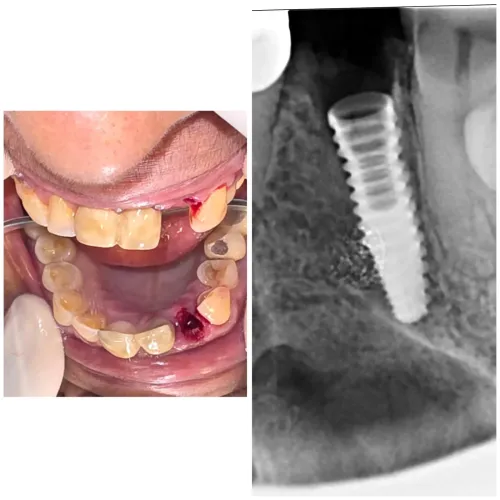
A CBCT scan can provide three-dimensional information about your bone and help determine whether augmentation is needed.
🩻 How Does the Dentist Know If You Need One?
Your dentist will assess:
Bone Height
Is there enough bone vertically to accommodate the planned implant?
Bone Width
Is the ridge wide enough to provide appropriate support around the implant?
Bone Quality
Is the available bone suitable for achieving primary implant stability?
Implant Position
Can the implant be placed in the ideal position for the final crown while remaining supported by the available bone?
Nearby Anatomy
Structures such as the sinus and nerves need to be considered when planning implant placement.
A CBCT scan is particularly useful for evaluating these factors in three dimensions.
🦷 What If There Is Enough Bone—But Not in the Ideal Position?
This is an important distinction.
Implant placement shouldn't simply be:
“Wherever there is enough bone.”
Ideally, the implant should be positioned according to the planned final restoration.
This is often described as prosthetically driven implant placement.
If the available bone doesn't allow the implant to be placed in the appropriate restorative position, bone augmentation may sometimes be recommended.
This is particularly important for front teeth, where implant position can influence the gumline and final aesthetics.
🦴 What Types of Bone Grafting Are Used?
The type of graft depends on where the bone is deficient and how much augmentation is required.
1. Socket Preservation
When a tooth is being extracted, the extraction socket can sometimes be grafted to help minimise the loss of ridge volume during healing.
This is generally intended to preserve existing bone, rather than create a large amount of new bone.
2. Ridge Augmentation
If the jaw ridge has become too narrow or deficient, additional bone material may be used to increase its volume.
This may be performed before implant placement or, in selected situations, together with implant placement.
3. Sinus Augmentation
In some upper back teeth cases, the available bone beneath the maxillary sinus may be limited.
A sinus augmentation procedure can increase the available bone height for implant placement in appropriately selected patients.
🦷 Can an Implant and Bone Graft Be Done Together?
Sometimes, yes.
If the implant can achieve adequate primary stability and the bone defect is suitable for simultaneous augmentation, the implant and graft may be performed during the same surgical procedure.
However, this is case-dependent.
If there is a major bone deficiency, your dentist may recommend:
Bone graft → healing → implant placement
rather than trying to place the implant immediately.
⏳ How Long Do You Have to Wait After a Bone Graft?
There is no single healing period for every graft.
The timeline depends on:
- Amount of bone augmentation required
- Location
- Type of graft
- Surgical technique
- Individual healing
- Whether the implant was placed simultaneously
Your dentist will determine when the site is ready for implant placement based on clinical and radiographic assessment.
🦷 What If You Don't Want a Bone Graft?
This is a reasonable question to discuss with your implant dentist.
Depending on your anatomy, possible alternatives may include:
- Different implant dimensions
- Different implant positioning
- Shorter implants in selected areas
- Angled implants in selected full-arch cases
- Alternative tooth-replacement options
- Staged treatment
However, avoiding a graft should not mean compromising the ideal position or long-term stability of the implant.
Your dentist should explain why the graft is being recommended and what the alternatives are.
🦷 Can You Get an Implant Without a Bone Graft If You Have Bone Loss?
Sometimes.
Mild or moderate bone loss does not automatically mean that grafting is required.
The important questions are:
How much bone is available?
Where is it available?
Can the implant be positioned correctly?
Can adequate stability be achieved?
A patient with some bone loss may still be able to receive an implant without a separate grafting procedure.
🦷 What About Immediate Implants After Extraction?
Immediate implant placement can sometimes be performed after tooth extraction without waiting for the socket to completely heal.
However, extraction itself does not guarantee that there will be sufficient bone to support the implant.
Depending on the anatomy, your dentist may recommend:
Immediate implant + grafting
or
Immediate implant without grafting
or
Extraction → grafting → healing → implant
The correct approach depends on the individual site.
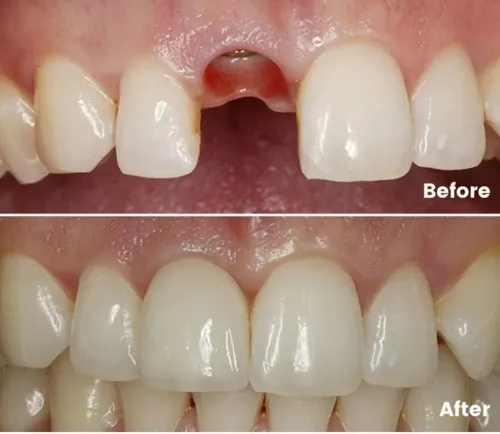
😁 Why Is Bone Grafting Particularly Important for Front Teeth?
Front teeth are not only about implant stability.
The shape of the bone and soft tissue around the implant can have a major effect on the final appearance.
A poorly positioned implant may result in:
- Gum recession
- Uneven gum levels
- Visible implant components
- Unnatural crown contours
- Dark spaces around the restoration
In an aesthetic area, bone augmentation may therefore be recommended not simply to 'hold the implant,' but to create the anatomy needed for a more predictable aesthetic result.
🦷 Does a Bone Graft Guarantee Implant Success?
No procedure can guarantee success.
Bone grafting is used to improve the conditions for implant placement, but the final outcome also depends on:
- Implant planning
- Surgical technique
- Bone quality
- Gum health
- Oral hygiene
- Smoking
- Bite forces
- Restoration design
- Long-term maintenance
Good planning is therefore just as important as the graft itself.
💡 Questions to Ask If Your Dentist Recommends a Bone Graft
Before proceeding, ask:
“How much bone do I have?”
“Where exactly is the bone deficiency?”
“Why do I need the graft?”
“Can the implant be placed without grafting?”
“Can the graft and implant be done together?”
“What happens if I don't have the graft?”
“How long will I need to wait before the implant?”
“Is the graft being recommended for implant stability, aesthetics, or both?”
These questions can help you understand the reason behind the recommendation.
🆚 Bone Graft vs No Bone Graft
No Bone GraftBone GraftSuitable boneAlready adequateInsufficient/poorly positionedImplant placementMay be possible directlyMay require augmentationAdditional surgeryUsually no graftingMay be requiredTreatment timeOften shorterMay be longerHealing periodImplant healing requiredGraft healing may be requiredAesthetic considerationsDepends on existing anatomyMay improve the foundation for aestheticsSuitable for everyone?❌❌
Neither approach is automatically 'better.'
The correct approach is the one that provides the most predictable foundation for the planned implant and final tooth.
❓ Frequently Asked Questions
Do all dental implants require bone grafting?
No. Many patients have sufficient bone for implant placement without additional grafting.
How do I know if I need a bone graft?
A clinical examination and appropriate imaging—often including CBCT—can help determine whether there is sufficient bone for the planned implant.
Can a bone graft be done on the same day as an implant?
Yes, in selected cases. The decision depends on the size and type of the bone defect and whether adequate implant stability can be achieved.
Is bone grafting painful?
The procedure is performed under local anaesthesia, and some swelling or discomfort can occur during healing. Your dentist will explain the expected recovery and aftercare.
Can I get an implant if I have very little bone?
Possibly. Bone grafting or other implant-planning techniques may create a suitable foundation, depending on the individual anatomy.
What happens if I refuse a bone graft?
There may be alternative treatment approaches in some cases, but they depend entirely on your anatomy. Your dentist should explain the risks and benefits of each option.
Is bone grafting always necessary after tooth extraction?
No. Whether socket preservation or another grafting procedure is useful depends on the condition of the extraction site and the future treatment plan.
🦷 The Bottom Line
No, you don't automatically need a bone graft before a dental implant.
But if the available bone is insufficient—or doesn't allow the implant to be placed in the correct restorative position—a graft may be an important part of creating a stable and aesthetically predictable result.
The key question isn't:
“Do dental implants require bone grafting?”
It's:
“Do I have enough suitable bone to place my implant in the right position?”
A detailed clinical examination and appropriate CBCT-based implant planning can help answer that question.
If you have been told you need a bone graft before an implant, ask your dentist to show you where the bone is deficient and why the graft is recommended. Understanding the reason makes it much easier to make an informed decision.
If you are considering dental implants or bone grafting in Thane or Mulund West Mumbai, consult an implant dentist for an individual assessment.
Procare Dental LLP – Thane & Mulund West, Mumbai
📞 7071876876
Keywords