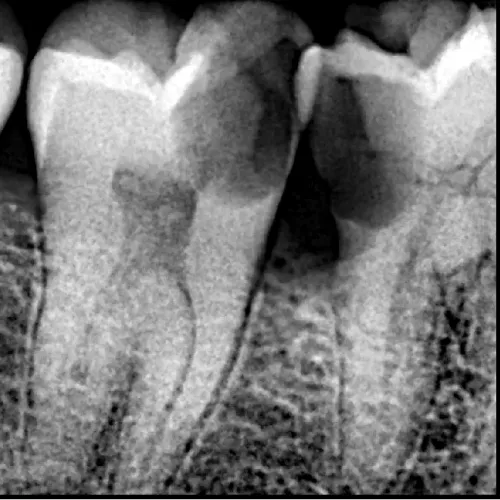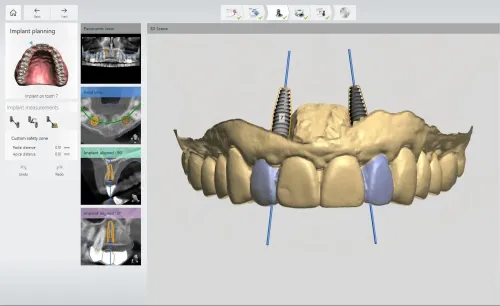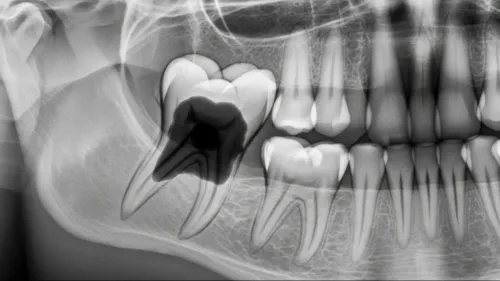
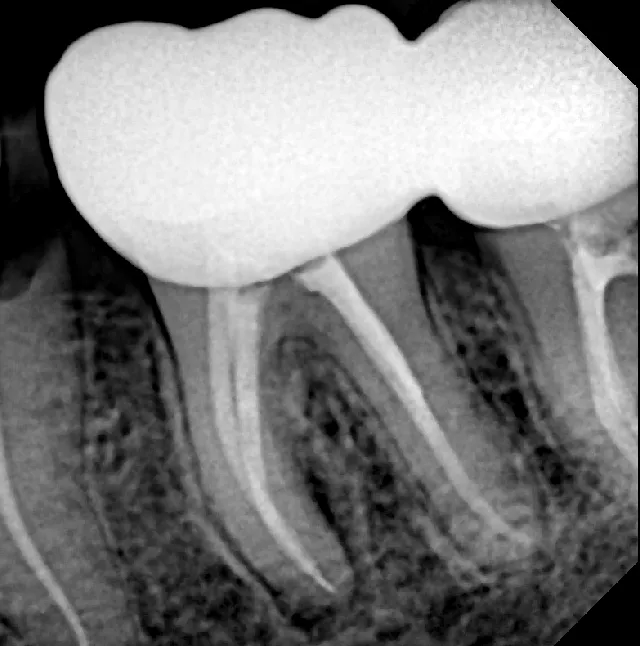
A root canal treatment is designed to save a tooth that has an infected, inflamed or damaged pulp. But completing the root canal is not always the final step.
Once the infection has been treated, the tooth may need a dental crown to protect it and restore its strength, shape and function.
If you have recently had or are planning root canal treatment in Thane or Mulund West Mumbai, understanding why a crown may be recommended can help you make an informed decision.
🦷 What Happens to a Tooth During Root Canal Treatment?
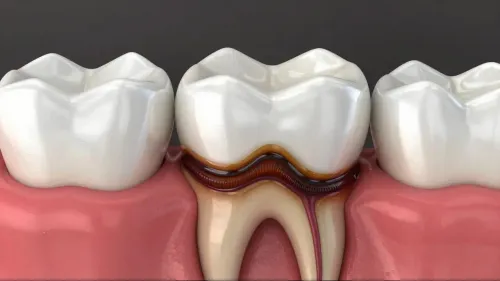
During root canal treatment, the infected or damaged pulp is removed from inside the tooth. The root canals are then cleaned, disinfected and sealed.
However, the tooth may already have lost a significant amount of its natural structure because of:
- Extensive decay
- Large existing fillings
- Cracks or fractures
- Previous dental procedures
- Removal of damaged tooth structure during treatment
The remaining tooth may therefore need additional protection after the root canal.
🛡️ Why Is a Crown Recommended?
1. It Protects the Tooth From Fracture
One of the main reasons for placing a crown after root canal treatment is to protect a structurally weakened tooth from breaking.
This is particularly important for back teeth such as premolars and molars, which experience substantial chewing forces.
A crown covers and protects the remaining tooth structure, helping the tooth withstand normal biting forces.
Important:
A crown does not make a tooth indestructible. Good oral hygiene, appropriate bite management and regular dental check-ups are still important.
2. A Root Canal Does Not 'Make the Tooth Weak'
There is a common belief that removing the nerve automatically makes a tooth brittle.
The situation is more complicated.
A tooth that requires root canal treatment has often already suffered significant loss of tooth structure from decay, large restorations or cracks.
The main concern is therefore often the amount and condition of the remaining tooth structure, rather than simply the absence of the pulp.
This is why your dentist evaluates the tooth before deciding what type of restoration it needs.
🦷 3. It Restores the Tooth's Shape and Function
After root canal treatment, the tooth needs to be properly restored.
A crown can:
✔ Restore the tooth's original shape
✔ Restore chewing function
✔ Cover weakened areas
✔ Help protect the remaining tooth structure
✔ Improve appearance when appropriate
The exact restoration depends on the location and condition of the tooth.
🦷 Do All Root Canal Teeth Need Crowns?
No.
This is an important distinction.
Not every tooth that undergoes root canal treatment automatically requires a crown.
For example, a front tooth with substantial remaining healthy tooth structure may sometimes be restored with a suitable bonded restoration instead of a full crown.
On the other hand, a heavily damaged molar is much more likely to benefit from cuspal coverage, often provided by a crown or another appropriate indirect restoration.
Your dentist will consider:
- Which tooth was treated
- How much tooth structure remains
- Whether the tooth is cracked
- The size of existing fillings
- Your bite
- The forces placed on the tooth
- The type of final restoration required
⏳ How Soon Should a Crown Be Placed After Root Canal?
In many cases, the tooth should receive its definitive restoration relatively soon after root canal treatment, once the dentist determines that the root canal has been adequately completed and the tooth is suitable for restoration.
The exact timing varies.
A temporary restoration may be placed immediately after the root canal while the final crown is being planned.
Why shouldn't you unnecessarily delay it?
A root-canal-treated tooth that has lost substantial structure can be vulnerable to fracture if it remains inadequately protected.
A badly fractured tooth may sometimes become much more difficult—or impossible—to save.
⚠️ What Happens If You Don't Get a Crown When One Is Recommended?
If a tooth requiring cuspal protection is left without an appropriate final restoration, it may be more vulnerable to:
Cracking
Chewing forces can place stress on the remaining tooth structure.
Fracture
A weakened tooth can fracture under normal biting forces.
Leakage
An inadequate or damaged restoration may allow bacteria to enter around the tooth.
Re-treatment or extraction
If the tooth fractures severely or becomes reinfected, additional treatment may be necessary. In some cases, extraction may ultimately be required.
This is why the final restoration is considered part of the overall root canal treatment, rather than simply an optional cosmetic step.
🦷 Can a Root Canal Tooth Break Even With a Crown?
Yes.
A crown significantly protects the tooth, but it cannot guarantee that the tooth will never fracture.
The prognosis depends on factors such as:
- Remaining tooth structure
- Presence of cracks
- Quality of the root canal
- Crown design and fit
- Bite forces
- Oral hygiene
- Habits such as chewing hard objects
A tooth with a severe pre-existing crack may have a different prognosis from a tooth that was primarily damaged by decay.
👑 What Types of Crowns Can Be Used?
Depending on the tooth and clinical requirements, your dentist may recommend materials such as:
Zirconia Crowns
Known for strength and commonly used for posterior teeth as well as selected aesthetic situations.
Ceramic / All-Ceramic Crowns
Can provide excellent aesthetics and may be suitable for visible teeth depending on the case.
Metal or Metal-Based Crowns
Very strong and may be considered in certain situations, although aesthetic considerations may make tooth-coloured options preferable.
The best material isn't necessarily the most expensive one. Tooth location, bite, remaining structure, aesthetics and functional requirements should all be considered.
🩻 Why Does Your Dentist Need to Examine the Tooth Before Recommending a Crown?
The crown should be designed around the remaining healthy tooth structure.
Your dentist may evaluate:
- Root canal quality
- Remaining tooth structure
- Gum health
- Bone support
- Cracks or fractures
- Bite
- Space available for the crown
- Existing restoration
Dental X-rays may also be used when appropriate.
🦷 Root Canal + Crown: How the Treatment Fits Together
Think of the treatment as two important stages:
Root Canal Treatment
➡️ Removes infection from inside the tooth
Final Restoration / Crown
➡️ Protects and restores the tooth after treatment
Both steps contribute to the long-term function of the tooth.
Frequently Asked Questions
Is a crown compulsory after every root canal?
No. Some teeth, particularly certain front teeth with sufficient remaining structure, may be restored without a full crown. The decision depends on the individual tooth.
How long can I wait before getting a crown?
There is no universal number of days. However, if your dentist has recommended a crown because the tooth is structurally compromised, unnecessary delay can increase the risk of fracture.
Can I chew normally after a root canal without a crown?
You should follow your dentist's instructions. A tooth awaiting its definitive restoration may need to be protected from heavy chewing, particularly if substantial tooth structure has been lost.
Does a crown make a root canal tooth last longer?
A well-designed definitive restoration can help protect the remaining tooth structure and reduce the risk of fracture. However, long-term survival depends on several factors, not the crown alone.
Can a crown be placed immediately after root canal treatment?
In some cases, the definitive restoration can be planned soon after treatment. In others, a temporary restoration may be used while the tooth is evaluated or the final crown is fabricated.
🦷 The Bottom Line
A root canal treats the problem inside the tooth. A crown may protect the tooth from problems afterward.
For teeth that have lost substantial structure—especially molars and premolars—a properly planned crown or other cuspal-coverage restoration can be an important part of protecting the tooth.
However, not every root-canal-treated tooth needs a crown. The right restoration depends on how much healthy tooth remains and the forces the tooth will experience.
If you've recently undergone root canal treatment, ask your dentist whether your tooth needs a crown or another form of definitive restoration.
Procare Dental LLP – Thane & Mulund West, Mumbai
📞 7071876876
Keywords