If you have ever planned a dental implant, you may have noticed that your dentist takes several measurements, scans, X-rays, photographs or impressions before the actual implant surgery.
You may wonder:
“Why do they need so much information just to replace one tooth?”
The answer is simple: a dental implant is not just about placing a screw into the bone. It is about creating a replacement tooth that is stable, functional, easy to maintain and looks natural.
That requires planning the implant in relation to the final tooth, not just the available bone.
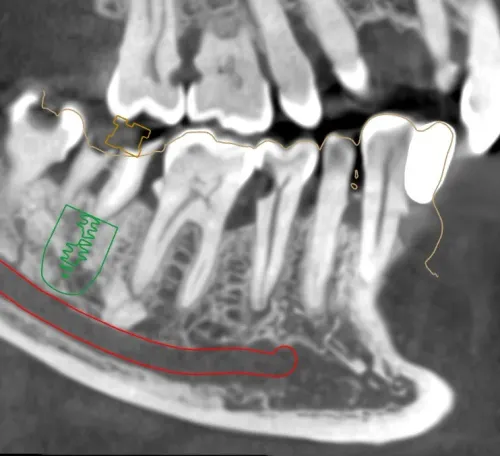
1. Measuring the Available Bone
Before placing an implant, your dentist needs to understand:
- How much bone is available
- The width and height of the bone
- The quality of the bone
- The position of important anatomical structures
- Whether there is enough bone in the ideal position for the implant
A CBCT scan provides a 3D view of the jaw and helps the dentist plan the implant more accurately.
Sometimes there may be enough bone for an implant—but not enough bone in the ideal position. This distinction is important.
2. Measuring the Position of the Neighbouring Teeth
The implant cannot be planned in isolation.
Your dentist needs to evaluate:
- The roots of adjacent teeth
- The available space
- The position of neighbouring teeth
- The width of the missing tooth space
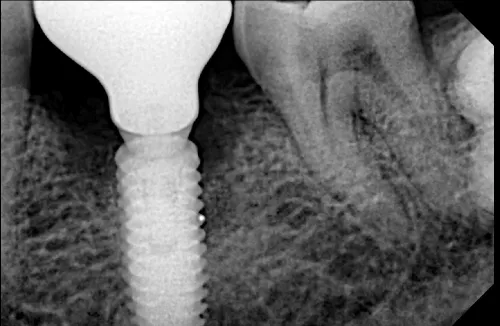
The implant needs to be positioned with sufficient clearance from neighbouring roots and structures.
3. Measuring Your Bite
An implant crown eventually has to work with the rest of your teeth.
Your dentist may assess:
- How your upper and lower teeth meet
- Available vertical space
- Tooth contacts
- Bite forces
- The position of opposing teeth
This becomes particularly important for back teeth and full-mouth implant rehabilitation, where chewing forces can be significant.
4. Measuring the Gum and Smile
For visible teeth, especially front teeth, measurements go beyond bone.
Your dentist may evaluate:
- Gum thickness
- Gum levels
- Smile line
- Tooth proportions
- Gum symmetry
- The relationship between the tooth and surrounding tissues
A technically successful implant can still produce an unattractive result if the implant position is not planned appropriately for the final crown and surrounding gums.
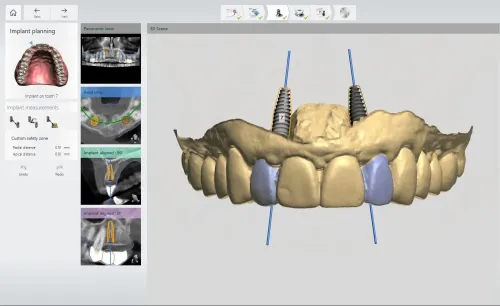
5. Taking an Intraoral Scan
A digital intraoral scan records the shape and position of your teeth and gums.
This can be combined with the CBCT data to create a digital model of your mouth.
Your dentist can then virtually plan:
Bone + teeth + gums + proposed crown + implant position
instead of looking at each factor separately.
6. Planning the Final Tooth FIRST
This is one of the most important reasons for all those measurements.
Modern implant dentistry increasingly follows a prosthetically driven approach.
In simple terms:
We don't just ask where can the implant fit? We ask where should the implant be placed so that the final tooth fits correctly?
The desired position of the crown helps determine the ideal 3D position of the implant.
This can influence:
- Implant angulation
- Implant depth
- Implant diameter
- Emergence profile
- Crown shape
- Screw-access position
- Cleaning and maintenance
7. Deciding Whether Guided Surgery Is Useful
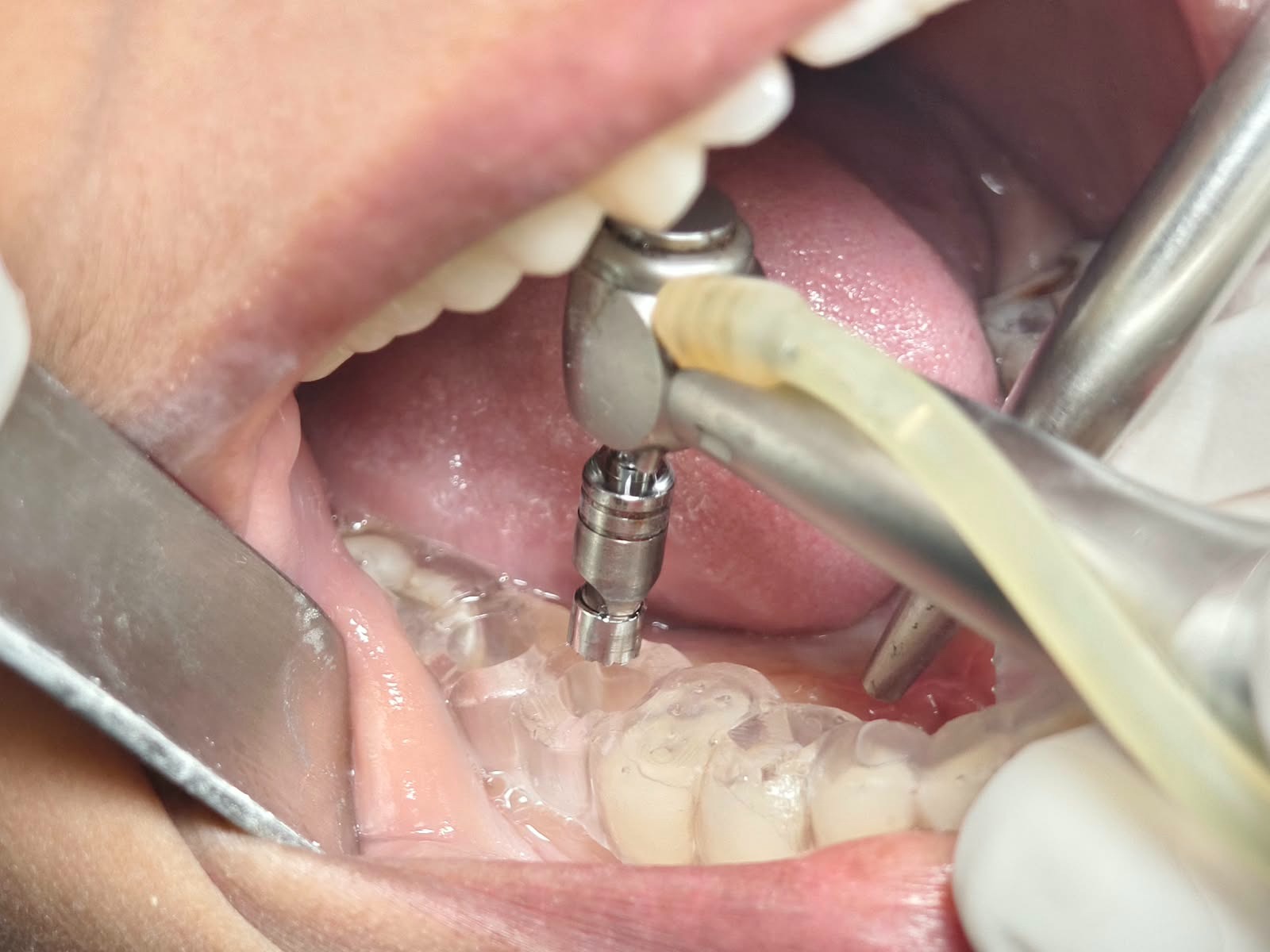
Once all the information is collected, the implant can be digitally planned.
In selected cases, a surgical guide can then transfer the planned implant position to the patient's mouth.
The goal is not simply to make surgery “high-tech.”
The goal is to make the surgical position more closely match the planned restorative position.
8. Sometimes the Measurements Change the Treatment Plan
This is perhaps the biggest reason for careful planning.
The measurements may show that the patient needs:
- Bone grafting
- Soft-tissue augmentation
- Tooth extraction before implant placement
- A different implant size
- A different implant position
- A staged approach
- An alternative restorative option
So the measurements aren't delaying treatment.
They help prevent avoidable problems during and after treatment.
So, Why So Many Measurements?
Because a dental implant is a 3-dimensional treatment.
The dentist is planning much more than a hole in the bone.
They are planning:
🦷 The final tooth
↓
🦷 The bite
↓
🦷 The gum and aesthetics
↓
🦷 The available bone
↓
🦷 The ideal implant position
And when all these factors are considered together, the goal is a result that is not only stable, but also natural-looking, functional and maintainable.
The Bottom Line
If your dentist takes CBCT scans, digital impressions, photographs, bite records and multiple measurements before placing an implant, it doesn't necessarily mean the treatment is complicated.
It often means the dentist is trying to answer one important question:
“Where exactly should this implant go to give you the best possible final tooth?”
At Procare Dental LLP, digital planning, CBCT assessment and prosthetically driven implant planning can be used to plan implant treatment based on the individual patient's bone, teeth, bite and aesthetic requirements.
Procare Dental LLP – Thane & Mulund West, Mumbai
📞 7071876876
Keywords