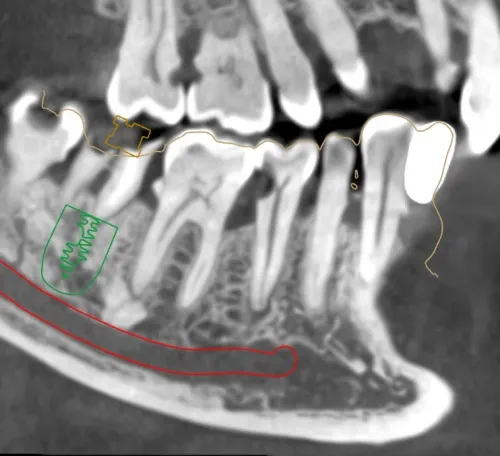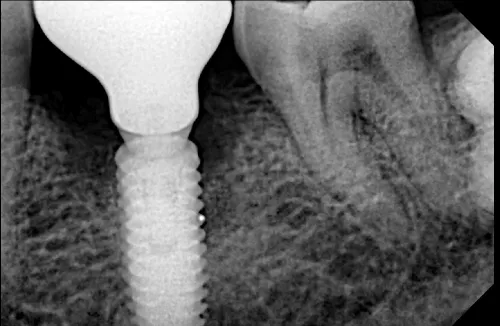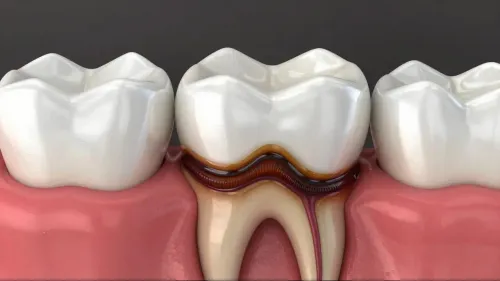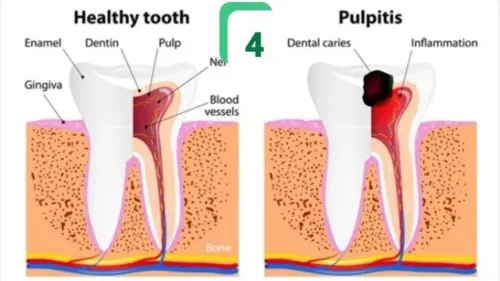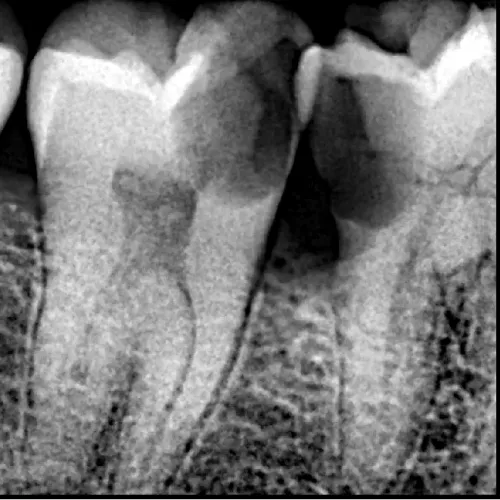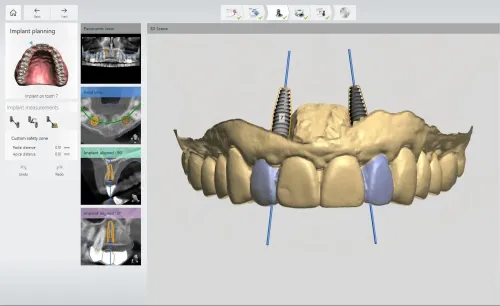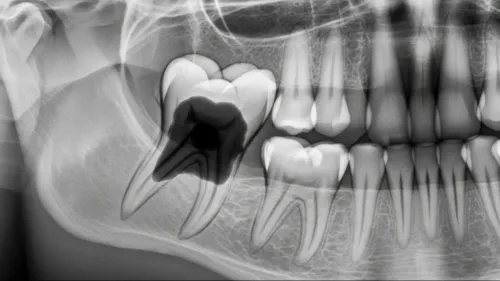
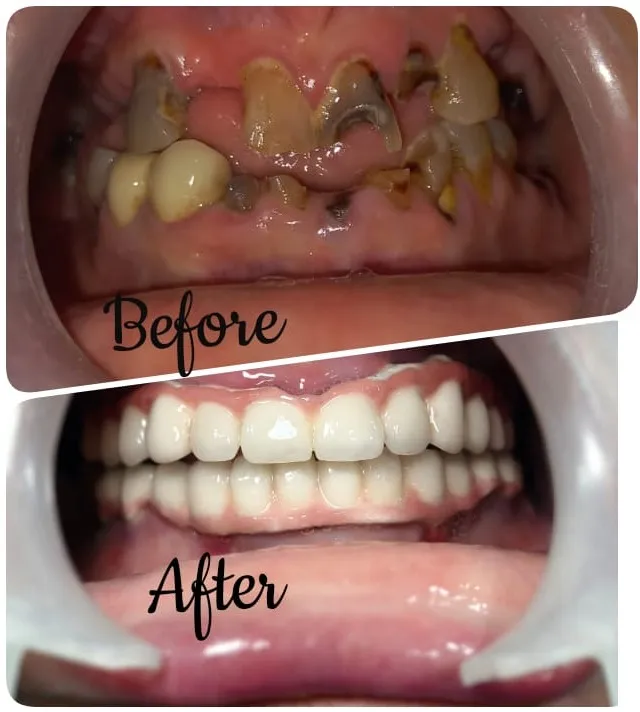
Full mouth rehabilitation is often misunderstood as just a cosmetic treatment. In reality, it is a comprehensive dental solution designed to restore function, health, and aesthetics when multiple dental issues affect your entire mouth.
Patients searching for full mouth rehabilitation in Thane near the Nitin Company area often ask:
“How do I know if I really need it?”
Here are the key signs you should not ignore.
What Is Full Mouth Rehabilitation?
Full mouth rehabilitation (also called full mouth reconstruction) involves a combination of treatments such as:
- Dental implants
- Crowns and bridges
- Root canal treatment
- Gum therapy
- Bite correction
It is recommended when the goal is to rebuild the entire dental system, not just fix individual teeth.
Major Signs You May Need Full Mouth Rehabilitation
1. Multiple Missing Teeth
If you have several missing teeth:
- Chewing becomes difficult
- Remaining teeth shift out of position
- Jawbone may start shrinking
This often requires a comprehensive treatment plan rather than single replacements.
2. Severely Worn or Broken Teeth
Teeth may wear down due to:
- Grinding (bruxism)
- Long-term neglect
- Acid erosion
Signs include:
- Shortened teeth
- Sensitivity
- Difficulty chewing
This can lead to bite collapse, requiring full rehabilitation.
3. Frequent Dental Problems
If you constantly face:
- Repeated root canals
- Broken fillings or crowns
- Ongoing tooth pain
It may indicate that multiple teeth are failing, and treating them individually is not enough.
4. Bite Problems or Jaw Pain
An unstable bite can cause:
- Jaw pain or clicking
- Headaches
- Difficulty chewing
Full mouth rehabilitation helps restore proper bite alignment, reducing strain on the jaw.
5. Advanced Gum Disease
Severe gum disease can lead to:
- Loose teeth
- Bone loss
- Gum recession
In such cases, a combination of gum treatment and tooth replacement may be required.
6. Difficulty Eating or Speaking
If you struggle with:
- Chewing food properly
- Speaking clearly
- Avoiding certain foods
It’s a strong indication that your oral function is compromised.
7. Old or Failing Dental Work
Patients with multiple old treatments may notice:
- Loose crowns or bridges
- Recurrent decay
- Uneven bite
Replacing all failing restorations together ensures long-term stability.
8. Trauma or Severe Damage
Accidents or injuries affecting multiple teeth may require:
- Reconstruction
- Implants or crowns
- Bite correction
This is a common reason for full mouth rehabilitation.
Why Early Treatment Matters
Ignoring these signs can lead to:
- Further tooth loss
- Increased treatment complexity
- Higher costs in the future
- Worsening jaw and bite problems
Early diagnosis allows for simpler and more effective treatment planning.
Who Should Consider Full Mouth Rehabilitation?
You may be a candidate if you have:
- Multiple missing or damaged teeth
- Severe wear or bite collapse
- Ongoing dental issues
- Functional problems (chewing, speaking)
At Procare Dental LLP, treatment plans are designed to restore function first, followed by aesthetics, ensuring long-term success.
What Happens During Treatment?
Full mouth rehabilitation is usually done in phases:
- Diagnosis and planning
- Treating infection and gum issues
- Restoring teeth (crowns, implants, etc.)
- Final bite correction and smile enhancement
The entire process may take a few months, depending on complexity.
Final Takeaway
Full mouth rehabilitation is not just for severe cases—it is for anyone whose entire dental system needs restoration.
You should consider it if you have:
✔ Multiple missing or damaged teeth
✔ Bite issues or jaw pain
✔ Difficulty chewing or speaking
✔ Frequent dental failures
✔ Advanced gum disease
👉 Addressing these signs early can help restore comfort, function, and confidence.
📍 Procare Dental LLP – Thane & Mulund
📞 7071876876
Keywords