A toothache that seems manageable during the day but becomes worse at night can be particularly frustrating. The pain may keep you awake, make it difficult to sleep and leave you wondering whether you should wait until morning or seek dental care immediately.
Night-time tooth pain is not a diagnosis by itself. It can happen because of tooth decay, inflammation of the dental pulp, a cracked tooth, gum problems, an infection or even teeth grinding.
If you are experiencing recurring toothache at night and looking for an emergency dentist in Thane or Mulund West Mumbai, understanding the possible causes can help you decide what to do next.
🌙 Why Does Toothache Get Worse at Night?
There isn't always one single reason.
When you lie down, changes in blood flow and pressure in the head and the inflamed tissues around a painful tooth may make the discomfort feel more noticeable.
There is also another simple factor: there are fewer distractions at night. During the day, work, conversations and activities can take your attention away from mild discomfort. At night, when everything becomes quiet, the same pain can feel much more intense.
If the pain repeatedly wakes you from sleep, however, it is worth getting the tooth examined rather than simply managing the symptoms.
🦷 Common Causes of Night-Time Toothache
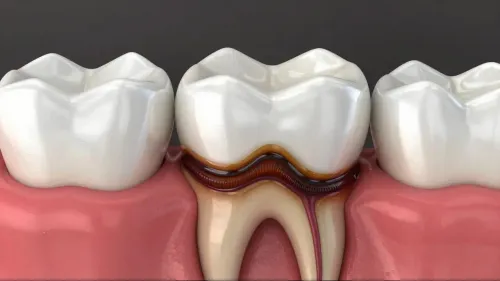
1. Deep Tooth Decay
A cavity may initially cause sensitivity to:
- Cold foods
- Hot drinks
- Sweets
- Acidic foods
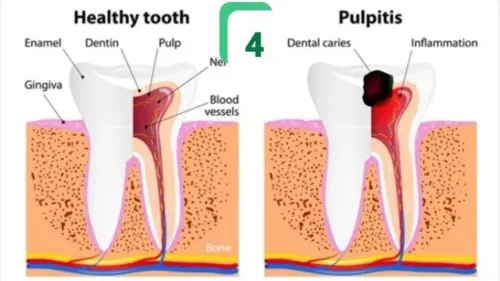
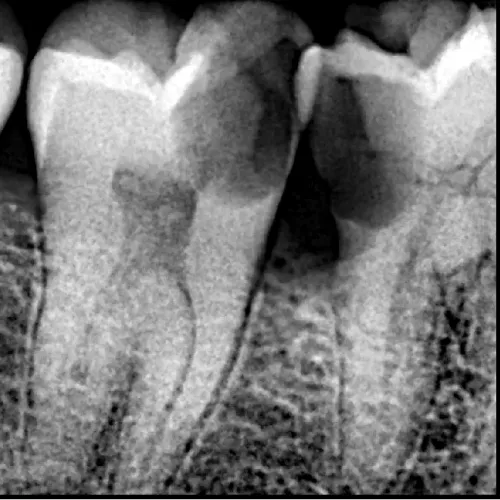
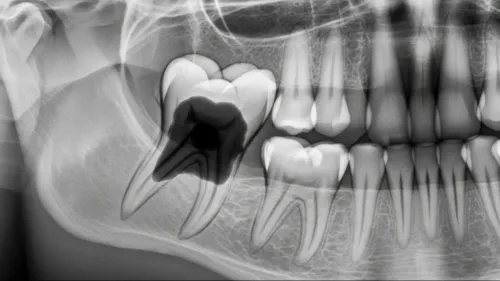
As decay progresses deeper into the tooth, it can approach the pulp—the living tissue containing nerves and blood vessels.
Once the pulp becomes significantly inflamed, pain may become spontaneous or linger after eating and drinking.
Night-time toothache can therefore sometimes be a sign that a cavity has progressed beyond a simple filling.
2. Pulp Inflammation or Infection
When the pulp becomes severely inflamed or infected, the pain can become:
- Throbbing
- Spontaneous
- Difficult to localise
- Worse when lying down
- Severe enough to disturb sleep
Depending on the condition of the tooth, treatment may involve a root canal treatment to remove the diseased pulp and preserve a restorable tooth.
3. Dental Abscess
An infection around the root of a tooth can result in a dental abscess.
Possible symptoms include:
- Severe toothache
- Gum swelling
- Facial swelling
- Pain while biting
- Pus or a bad taste
- Fever in some cases
A dental abscess should not simply be left untreated.
Facial swelling, difficulty swallowing or difficulty breathing requires urgent medical/dental attention.
4. Cracked or Fractured Tooth
A cracked tooth may cause pain particularly when you bite or release your bite.
Some cracks can be difficult to see during a routine examination, so your dentist may need to perform specific tests and take appropriate imaging.
The treatment depends on the location and severity of the crack.
5. Gum Problems
Tooth pain isn't always caused by the tooth itself.
Inflamed gums or periodontal problems can cause:
- Tenderness
- Bleeding
- Swelling
- Sensitivity
- Discomfort around one or several teeth
A dental examination can help determine whether the source is the tooth, gums or surrounding tissues.
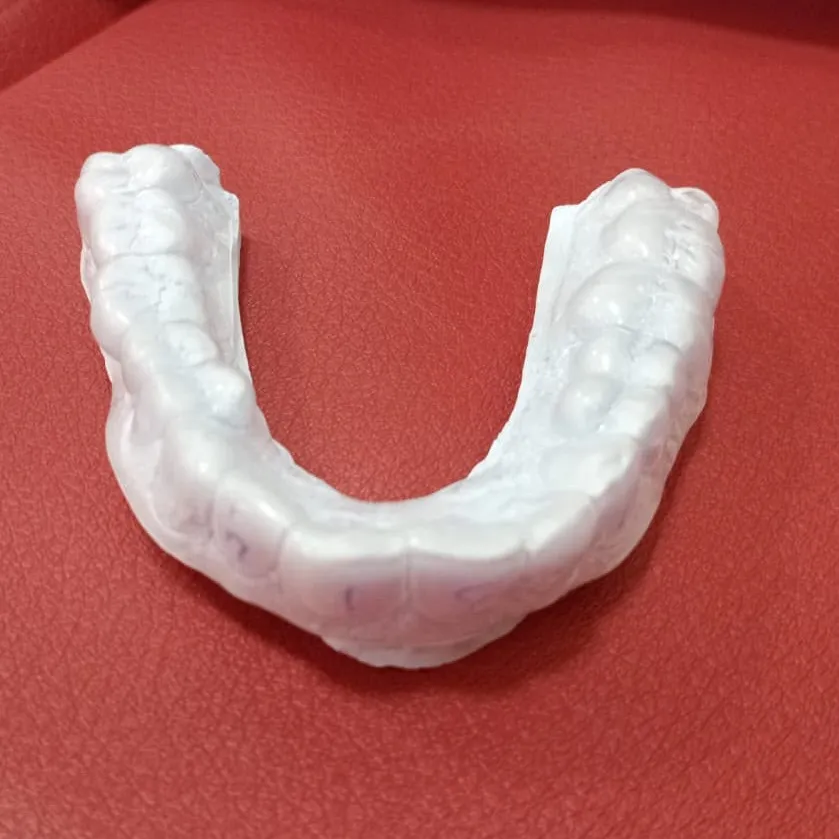
6. Teeth Grinding or Clenching
Some people unconsciously clench or grind their teeth, particularly during sleep.
This can result in:
- Jaw soreness
- Tooth sensitivity
- Headaches
- Worn teeth
- Pain when biting
If you wake up with a sore jaw or aching teeth, mention this to your dentist.
🚨 When Is a Toothache an Emergency?
Not every toothache requires an emergency visit in the middle of the night. However, certain symptoms should not be ignored.
Seek urgent dental or medical care if tooth pain is accompanied by:
🔴 Facial or jaw swelling
🔴 Swelling around the eye or neck
🔴 Difficulty breathing
🔴 Difficulty swallowing
🔴 Fever or feeling significantly unwell
🔴 Rapidly increasing swelling
🔴 Severe pain that cannot be controlled with appropriate medication
These symptoms can indicate a spreading infection and require prompt assessment.
🌙 What Can You Do for Toothache at Night?
If you cannot see a dentist immediately, you can take some temporary measures to make yourself more comfortable.
🛏️ Keep Your Head Elevated
Try sleeping with your head slightly elevated rather than completely flat. Some people find this reduces the sensation of throbbing.
🧂 Rinse With Warm Salt Water
A gentle warm salt-water rinse can help clean the mouth and soothe irritated tissues.
Do not use extremely hot water.
🧊 Use a Cold Compress
If there is swelling, a cold compress applied to the outside of the cheek for short intervals may provide temporary relief.
💊 Consider Appropriate Pain Relief
An over-the-counter pain reliever may help if it is safe for you to take.
Follow the package directions and avoid taking medication that you have been advised not to use because of another medical condition or medication interaction.
Do not place aspirin or other tablets directly against the gum or tooth. This can irritate or burn the soft tissues.
🍬 Avoid Trigger Foods
Until you can see a dentist, avoid foods that trigger your pain, particularly very hot, cold or sugary foods.
❌ What NOT to Do for a Night-Time Toothache
Temporary pain relief should not replace dental treatment.
Avoid:
- Applying chemicals directly to the tooth or gums
- Placing painkillers directly on the gum
- Using very hot compresses on facial swelling
- Ignoring recurring night-time pain
- Taking antibiotics without dental/medical advice
- Assuming that pain disappearing means the infection has gone
Sometimes a tooth can stop hurting because the nerve inside it has become non-vital. That does not necessarily mean the underlying infection has resolved.
🦷 Does a Toothache Always Mean You Need a Root Canal?
No.
Treatment depends on the cause.
For example:
Small or moderate cavity
➡️ May require a filling
Severely inflamed or infected pulp
➡️ Root canal treatment may be recommended
Tooth that cannot be predictably restored
➡️ Extraction may be considered
Gum-related problem
➡️ Periodontal treatment may be required
Grinding/clenching
➡️ Bite assessment and appropriate management may help
This is why it is important not to decide on treatment based solely on the intensity of the pain.
🩻 How Does a Dentist Find the Cause?
Your dentist may perform:
- A clinical examination
- Tooth sensitivity tests
- Bite tests
- Gum examination
- Dental X-rays
- Additional imaging such as CBCT in selected cases
The goal is to identify which tooth is causing the pain and why.
This is particularly important when pain is difficult to localise.
⏰ Should You Wait Until Morning?
If the pain is mild, there is no swelling or fever, and you can comfortably manage it, you may be able to arrange a dental appointment the next morning.
But severe pain that repeatedly wakes you up should not become something you simply learn to live with.
The sooner the cause is identified, the more treatment options may be available.
Frequently Asked Questions
Why does my tooth hurt only at night?
Tooth pain may feel worse at night because lying down can alter pressure and blood flow around inflamed tissues, while fewer daytime distractions can make the pain more noticeable.
Why does my tooth throb when I lie down?
Inflammation inside or around a tooth can cause a throbbing sensation that may become more noticeable when lying down. Persistent throbbing pain should be evaluated by a dentist.
Can a toothache go away on its own?
The pain may temporarily disappear, but that doesn't necessarily mean the underlying problem has resolved. Dental decay, pulp infection and abscesses generally require appropriate treatment.
How do I know if I need a root canal?
Severe spontaneous pain, prolonged sensitivity to hot or cold, pain on biting and other symptoms may indicate significant pulp involvement, but only a dental examination can determine whether root canal treatment is appropriate.
Can I sleep with a toothache?
If there are no emergency symptoms, temporary measures such as keeping your head elevated, using a cold compress and taking appropriate pain relief may help you sleep until you can see a dentist.
When should I see an emergency dentist?
Seek urgent care for severe uncontrolled pain, significant swelling, fever or symptoms such as difficulty swallowing or breathing.
🦷 Don't Ignore Recurring Night-Time Tooth Pain
A toothache that repeatedly appears at night is your body's way of telling you that something needs to be checked.
It could be something relatively simple, such as decay requiring a filling, or something more advanced such as pulp infection requiring root canal treatment.
Getting the tooth examined early can help identify the cause and determine whether the tooth can be treated and preserved.
Procare Dental LLP – Thane & Mulund West, Mumbai
📞 7071876876
Keywords