Thumb sucking is a very common and normal habit in infants and young children. For many kids, it’s comforting and helps them feel secure. But parents often ask:
“When does thumb sucking become a problem for teeth?”
If you’re a parent in Thane, Mulund, or Mumbai, this guide will help you understand when thumb sucking is harmless, when it starts affecting teeth, and what you can do about it.
Is Thumb Sucking Normal?
Yes — in early childhood.
Thumb sucking is:
✔ Normal in babies and toddlers
✔ Often self-soothing
✔ Usually stops on its own
Most children naturally give up the habit between 2–4 years of age.
When Does Thumb Sucking Start Affecting Teeth?
Thumb sucking becomes a dental concern when it:
❗ Continues beyond 4–5 years of age
❗ Happens frequently or forcefully
❗ Continues after permanent teeth begin to erupt
The duration, frequency, and intensity of the habit determine its impact.
How Thumb Sucking Affects Teeth & Jaws
If thumb sucking continues for too long, it can lead to:
🦷 1. Protruding Front Teeth
Constant pressure pushes upper front teeth forward, affecting appearance and bite.
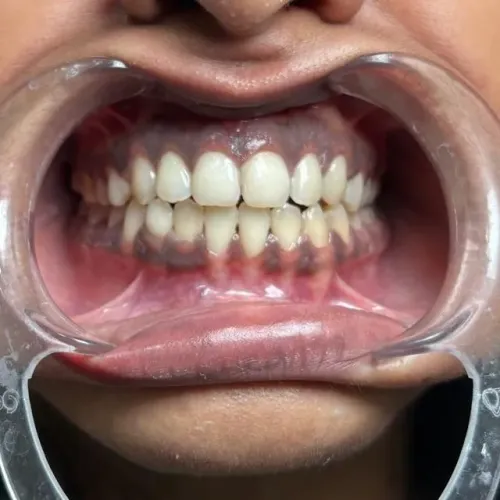
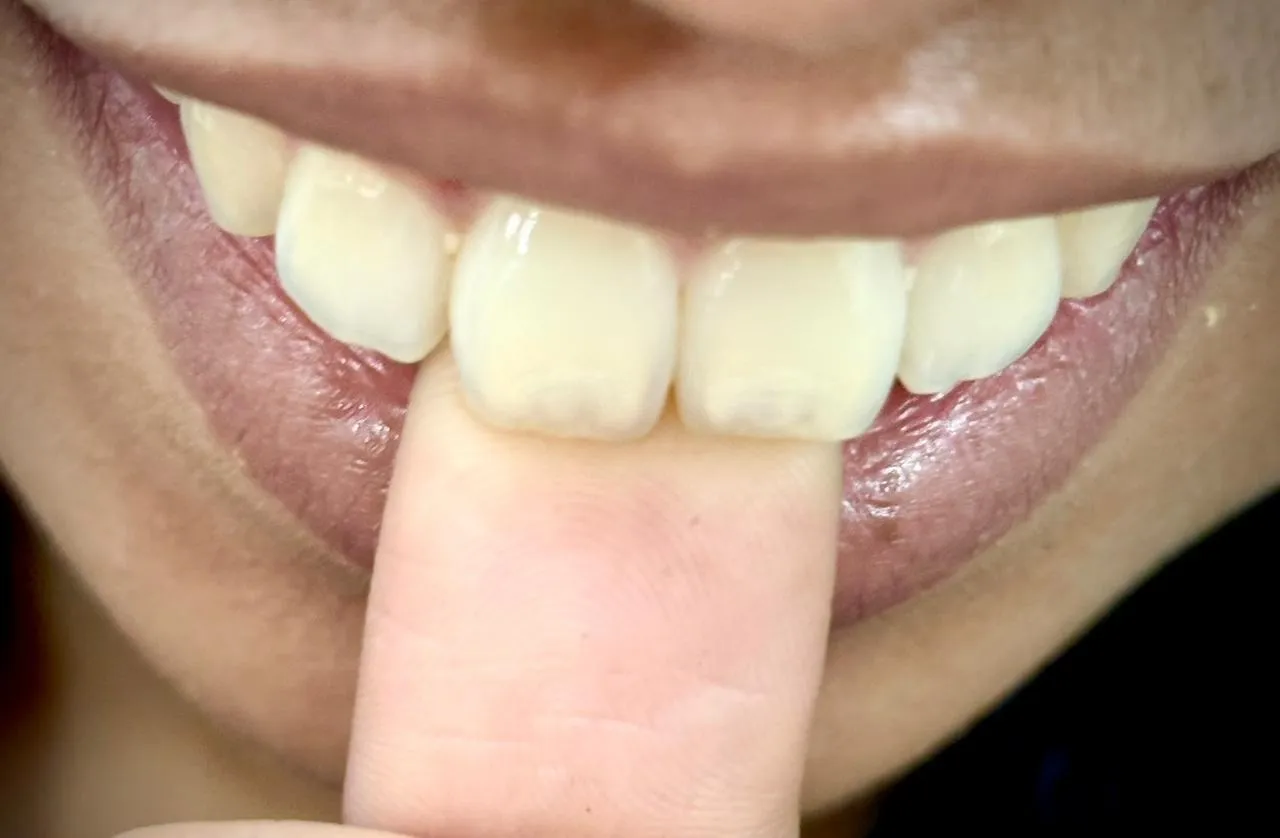
🦷 2. Open Bite
Front teeth don’t touch when biting — a gap remains even when back teeth are closed.
🦷 3. Narrow Upper Jaw
The thumb resting on the palate can alter jaw growth, leading to crowding later.
🦷 4. Speech Problems
Thumb sucking–related tooth positions can cause lisping or unclear speech.
🦷 5. Increased Orthodontic Needs
Children may need braces or aligners later if the habit continues unchecked.
At What Age Should Parents Intervene?
• Up to 3–4 years: Usually no concern
• 4–5 years: Monitor closely
• After 5 years: Intervention recommended
Early action can prevent long-term orthodontic problems.
Signs Thumb Sucking Is Affecting Your Child
Watch for:
❗ Front teeth sticking out
❗ Gaps between upper and lower teeth
❗ Redness or callus on the thumb
❗ Speech changes
❗ Child sucking thumb while asleep
If you notice these, a dental evaluation is advised.
How to Help Your Child Stop Thumb Sucking (Gently)
✅ Use Positive Reinforcement
• Praise progress
• Avoid punishment or shaming
✅ Identify Triggers
Thumb sucking often happens when the child is:
• Tired
• Anxious
• Bored
Offer comfort alternatives instead.
✅ Gentle Reminders
Subtle cues work better than constant scolding.
✅ Dental Appliances (If Needed)
If the habit persists, a dentist may recommend a habit-breaking appliance — painless and effective.
What NOT to Do
❌ Don’t shame or threaten
❌ Don’t apply bitter substances without guidance
❌ Don’t ignore the habit after permanent teeth erupt
Support works better than force.
Can Teeth Self-Correct After Stopping the Habit?
In many cases:
✔ If the habit stops early (before 6 years), teeth often improve naturally
✔ If stopped late, orthodontic treatment may be needed
Early dental visits make a big difference.
Why Early Dental Visits Matter
At Procare Dental LLP (Thane & Mulund), we:
✔ Monitor jaw and tooth development
✔ Guide parents on habit correction
✔ Decide if intervention is needed
✔ Prevent future orthodontic problems
Not every child needs treatment — just the right guidance at the right time.
Final Takeaway
Thumb sucking is normal — until it isn’t.
Stopping the habit at the right age can:
✅ Protect your child’s smile
✅ Reduce need for braces
✅ Support proper jaw development
Early awareness = easier correction.
Book a Pediatric Dental Consultation
📍 Clinics in Thane & Mulund
📞 7071876876