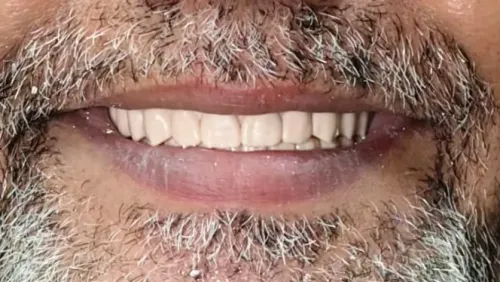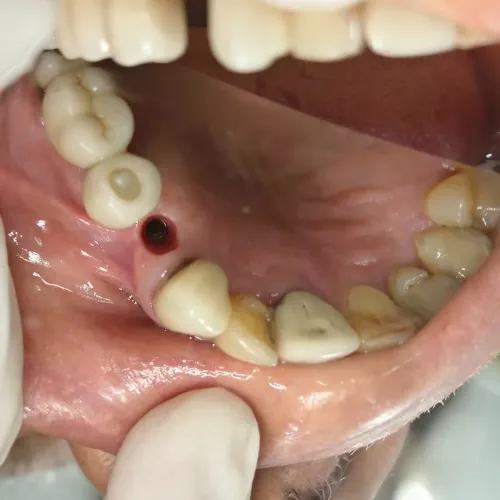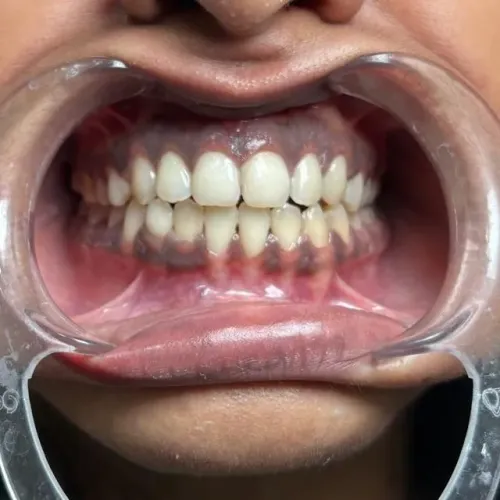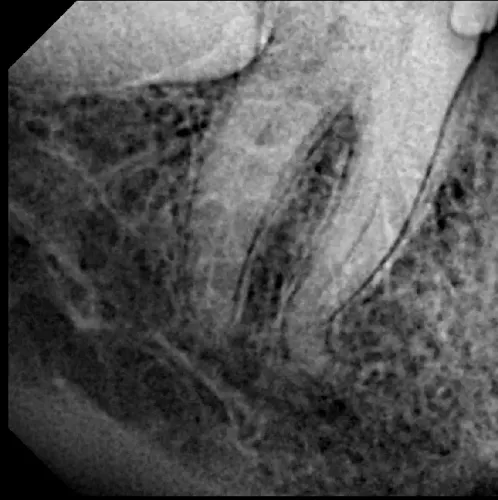
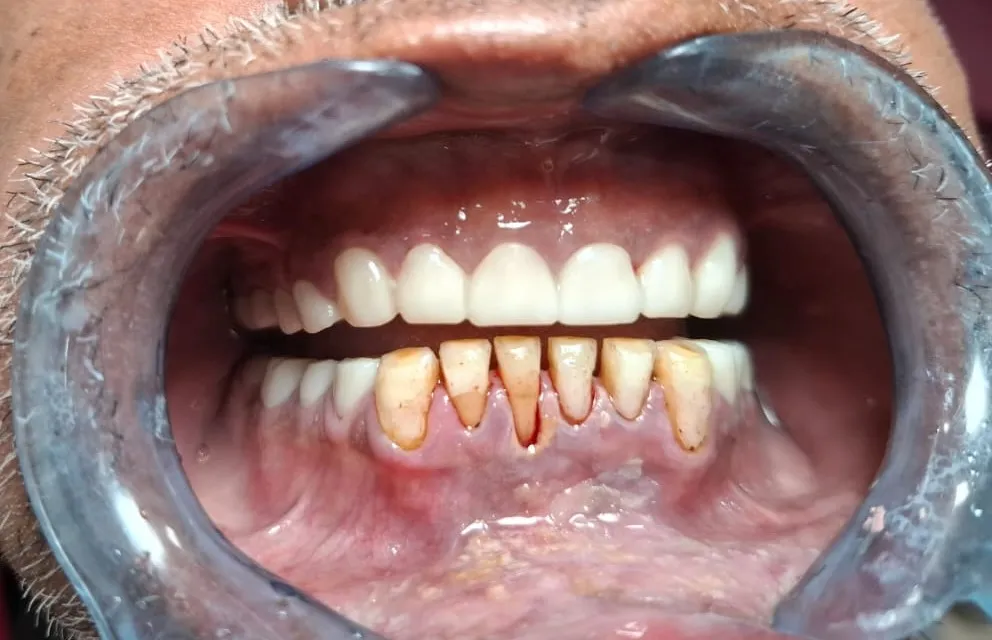
Smoking doesn’t just affect your lungs and heart—it has a major impact on your teeth and gums. Yellow-brown stains, bad breath, and gum problems are common concerns among smokers. A frequent question we hear is:
“If I stop smoking or get my teeth cleaned, can the damage be reversed?”
If you’re a smoker (or ex-smoker) in Thane, Mulund, or Mumbai, here’s an honest, practical answer.
How Smoking Damages Teeth and Gums
Smoking affects oral health in multiple ways:
• Nicotine and tar stick to enamel, causing deep stains
• Reduced blood flow to gums delays healing
• Increased plaque and tartar buildup
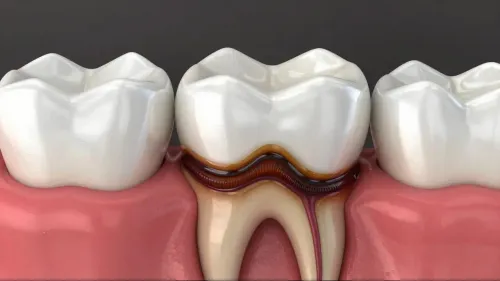
• Higher risk of gum disease
• Persistent bad breath
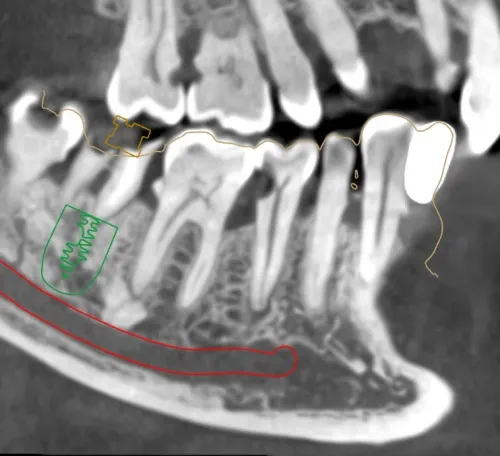
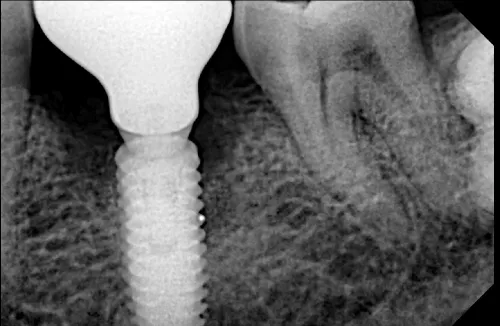
• Increased risk of tooth loss and implant failure
Some effects are reversible, while others need professional management.
Are Smoking Stains Permanent?
❌ Not always — but they don’t go away on their own
Smoking stains are usually:
• Extrinsic stains (on the surface) initially
• Intrinsic stains (deeper) with long-term smoking
The longer and heavier the smoking habit, the deeper the stains penetrate.
Can Professional Cleaning Remove Smoking Stains?
✅ YES — for most surface and moderate stains
Professional scaling and polishing can:
✔ Remove hardened tartar
✔ Eliminate surface nicotine and tar stains
✔ Improve gum health
✔ Reduce bad breath
Many smokers see visible improvement after one session.
However:
• Very old, deep stains may need additional treatments
• Cleaning improves colour but does not change natural tooth shade
What If Stains Are Still Visible After Cleaning?
If stains persist, options include:
🦷 Teeth Whitening
• Safe when done professionally
• Significantly improves colour
• Best done after cleaning
🦷 Advanced Polishing or Air Polishing
• Targets stubborn stains
• Gentler and more effective for smokers
🦷 Veneers or Crowns (for severe discoloration)
• For teeth that don’t respond to whitening
• Provides long-term aesthetic improvement
Your dentist will recommend the least invasive option first.
What About Gum Damage from Smoking?
⚠️ This is more serious than stains
Smoking-related gum disease:
• Progresses silently
• Bleeds less (so it’s often ignored)
• Causes bone loss and tooth loosening
Can this be reversed?
• Early-stage gum disease → YES, with cleaning and quitting/reducing smoking
• Advanced gum disease → Can be controlled, not fully reversed
Early intervention is critical.
Does Quitting Smoking Help Dental Recovery?
Absolutely.
After quitting or reducing smoking:
✔ Gums heal better
✔ Response to cleaning improves
✔ Stain recurrence slows
✔ Breath freshness improves
✔ Implant and crown success improves
Even reducing the number of cigarettes helps.
How Often Should Smokers Get Cleaning?
• Non-smokers: Every 6 months
• Smokers / ex-smokers: Every 3–4 months
More frequent cleaning prevents heavy stain buildup and gum damage.
What Home Care Helps Maintain Results?
✔ Brush twice daily with a soft brush
✔ Use a whitening or smoker’s toothpaste (as advised)
✔ Clean your tongue daily
✔ Rinse mouth after smoking
✔ Avoid aggressive brushing
✔ Attend regular dental check-ups
Home care supports—but never replaces—professional cleaning.
Why Procare Dental LLP Focuses on Smoker-Specific Care
At Procare Dental LLP (Thane & Mulund), we understand smoker-related dental issues deeply.
We offer:
✔ Thorough stain and tartar removal
✔ Early gum disease detection
✔ Honest advice without judgement
✔ Personalised maintenance plans
✔ Safe whitening options for smokers
Our goal is to restore oral health, not just improve appearance.
Final Takeaway
✔ Smoking stains can often be significantly improved or removed
✔ Gum damage can be controlled if caught early
✔ Professional cleaning is the first and most important step
✔ Quitting or reducing smoking dramatically improves results
The damage may not disappear overnight—but it can absolutely be managed and improved.
Book a Smoker’s Dental Cleaning & Evaluation
📍 Clinics in Thane & Mulund
📞 7071876876
Keywords