Most people know that smoking harms the lungs and heart—but far fewer realise that smoking is one of the strongest risk factors for gum disease. In fact, smokers are several times more likely to develop serious gum problems than non-smokers.
If you smoke and live in Thane, Mulund, or Mumbai, this guide explains how smoking affects your gums, why the damage often goes unnoticed, and what you can do to protect your oral health.
How Smoking Affects Your Gums
Smoking damages gum health in multiple ways:
• Reduces blood supply to gums
• Weakens the immune response
• Delays healing
• Encourages harmful bacteria growth
• Masks early warning signs
This creates the perfect environment for gum disease to progress silently.
Why Smokers Often Don’t Notice Gum Disease Early
One dangerous effect of smoking is that it hides symptoms.
Normally, gum disease shows:
• Bleeding gums
• Redness
• Swelling
In smokers:
❌ Bleeding is reduced due to poor blood flow
❌ Gums may look “normal” while disease progresses underneath
By the time pain or looseness appears, damage is often advanced.
Smoking & Gum Disease – The Direct Link
Smoking significantly increases the risk of:
🦷 Gingivitis (Early Gum Disease)
• Plaque builds up faster
• Gums get inflamed
• Early damage begins
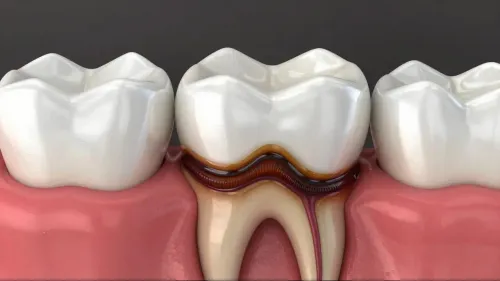
🦷 Periodontitis (Advanced Gum Disease)
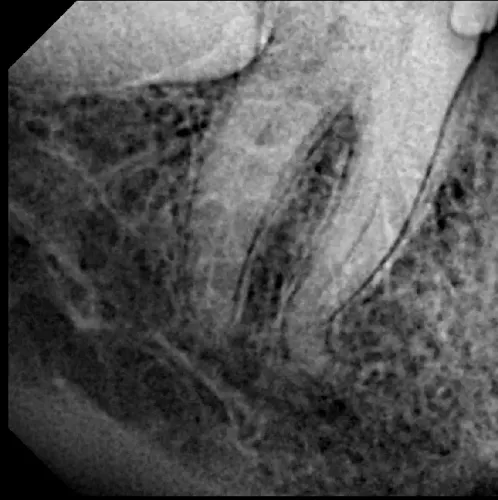
• Bone supporting teeth gets destroyed
• Teeth become loose
• Pus and bad breath develop
• Tooth loss becomes likely
Smokers have more severe and faster progression of periodontitis.
Smoking Reduces Treatment Success
Even after treatment, smoking:
❌ Slows gum healing
❌ Reduces response to scaling and surgery
❌ Increases recurrence of infection
❌ Raises risk of tooth loss
Quitting or reducing smoking dramatically improves outcomes.
Smoking, Implants & Dental Procedures
Smoking also affects:
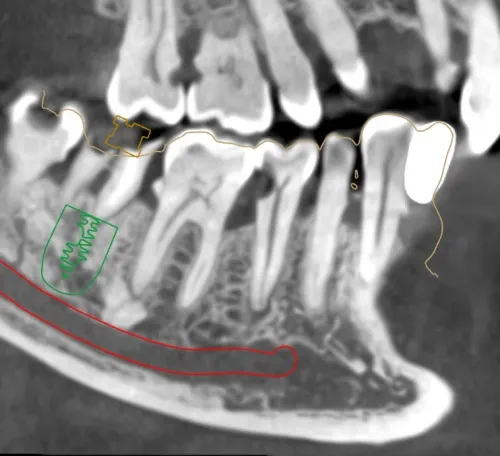
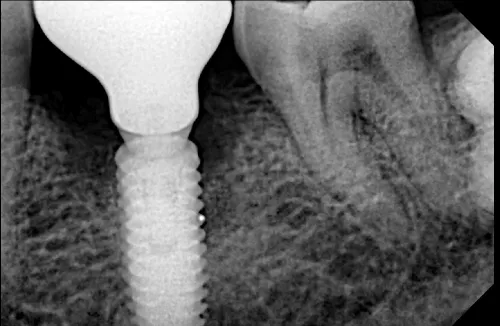
• Dental implant success
• Bone graft healing
• Post-surgical recovery
Smokers have higher implant failure and complication rates compared to non-smokers.
Common Signs Smokers Should Watch For
Even if bleeding is minimal, look out for:
❗ Persistent bad breath
❗ Gum recession
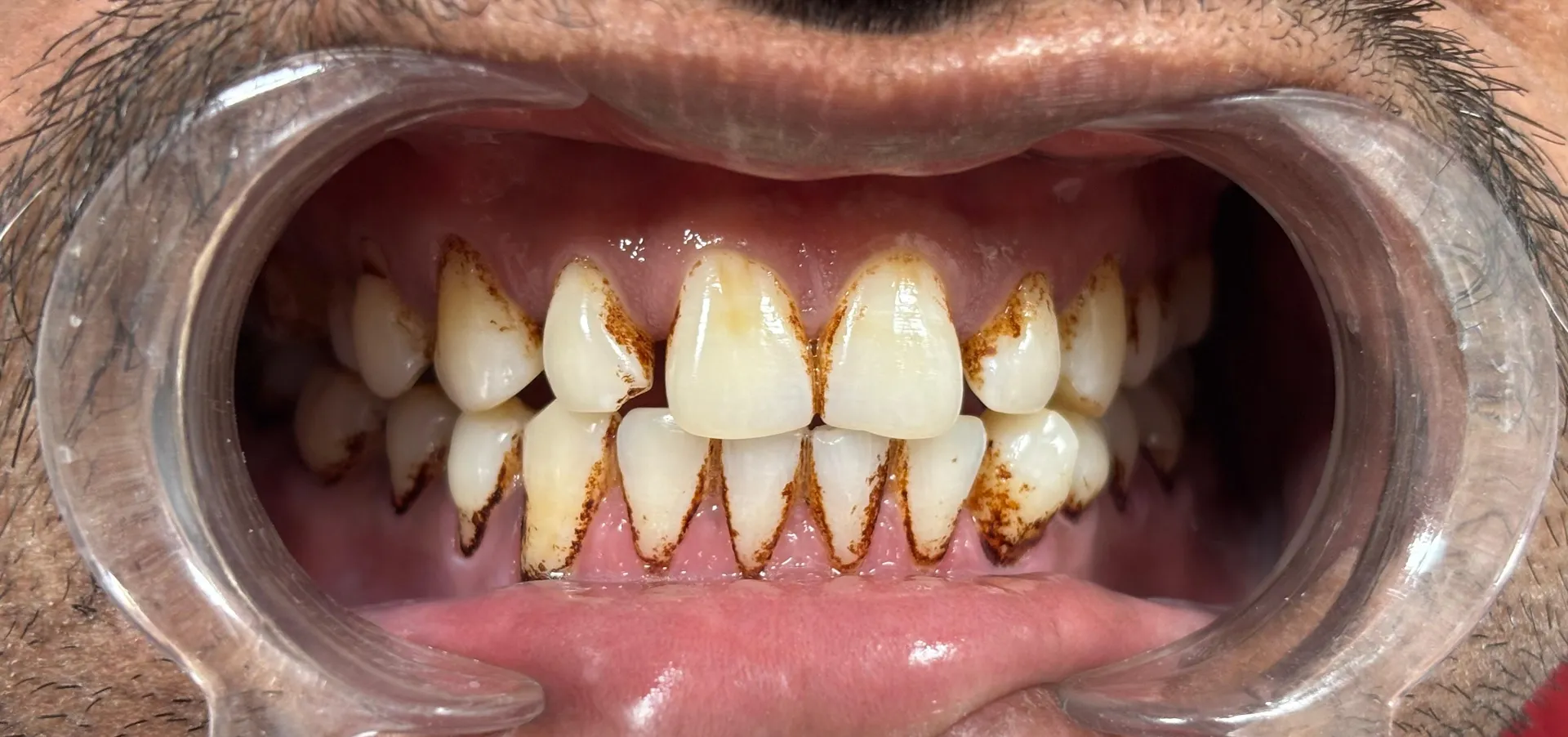
❗ Yellow or brown stains
❗ Tooth sensitivity
❗ Loose teeth
❗ Pus discharge
❗ Changes in bite
These signs should never be ignored.
Can Gum Disease Be Treated in Smokers?
Yes — but with extra care.
Treatment may include:
• Professional scaling and deep cleaning
• Gum therapy
• Strict oral hygiene protocols
• More frequent maintenance visits
Stopping or reducing smoking significantly improves treatment success.
How Often Should Smokers Get Dental Cleaning?
• Non-smokers: Every 6 months
• Smokers: Every 3–4 months
Regular professional care is essential to control disease progression.
What You Can Do Today to Protect Your Gums
✔ Quit or reduce smoking
✔ Maintain excellent brushing and flossing
✔ Clean your tongue
✔ Attend regular dental check-ups
✔ Don’t ignore minor symptoms
Your gums can recover—especially when action is taken early.
Why Procare Dental LLP Focuses on Early Detection
At Procare Dental LLP (Thane & Mulund), we:
✔ Screen smokers carefully for hidden gum disease
✔ Use digital diagnostics
✔ Offer personalised gum care plans
✔ Emphasise prevention and maintenance
✔ Support long-term oral health
We treat the cause, not just the symptoms.
Final Takeaway
Smoking and gum disease are closely linked—and the damage often happens silently.
The good news?
👉 Early detection, professional care, and lifestyle changes can protect your teeth and gums.
Your smile is worth protecting.
Book a Gum Health Check-Up
📍 Clinics in Thane & Mulund
📞 7071876876
Keywords