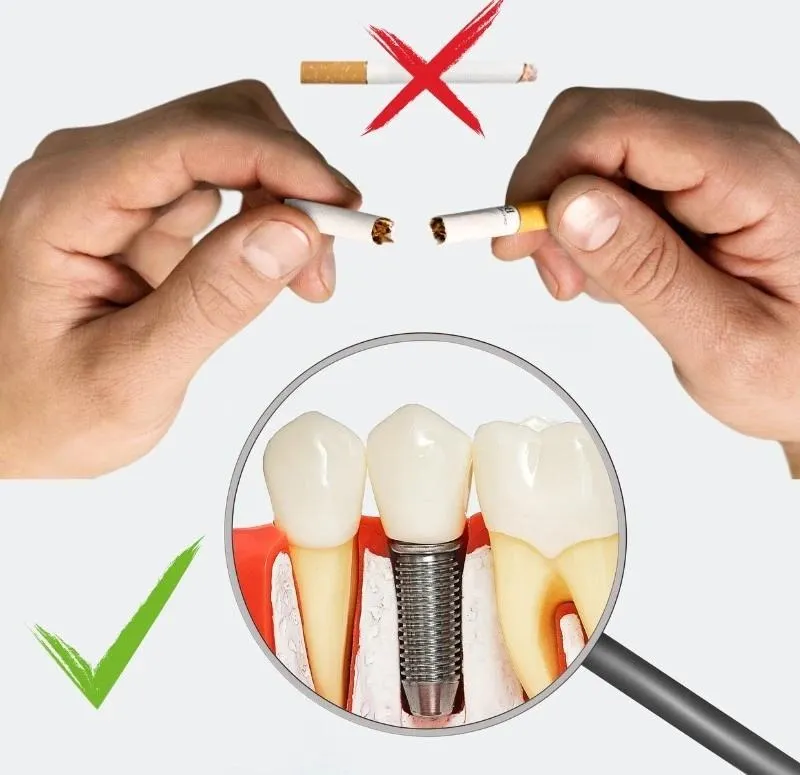
If you're a smoker considering dental implants, you may be wondering:
'Can I still get dental implants if I smoke?'
The answer is yes—many smokers can successfully receive dental implants, but smoking increases the risk of complications before, during, and after treatment. The good news is that reducing or quitting smoking around the time of surgery can significantly improve healing and the long-term success of your implant.
🚬 How Does Smoking Affect Dental Implants?
Smoking affects the mouth in several ways:
- Reduces blood flow to the gums
- Slows wound healing
- Decreases oxygen supply to tissues
- Increases the risk of infection
- Reduces bone healing around the implant
These factors can make it more difficult for the implant to successfully bond with the jawbone (osseointegration).
📊 Does Smoking Increase Implant Failure?
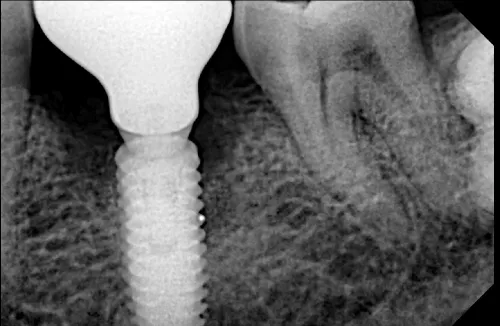
Research has shown that smokers generally have a higher risk of dental implant failure than non-smokers. Smoking is also associated with a greater risk of peri-implantitis, an inflammatory condition that affects the tissues surrounding dental implants and can lead to bone loss if left untreated.
However, many smokers still achieve successful long-term implant outcomes, especially when they follow their dentist's recommendations and maintain good oral hygiene.
🦷 Can Smokers Still Get Dental Implants?
Yes.
Many smokers are suitable candidates for implants after a comprehensive evaluation.
Your dentist will assess:
✔ Overall health
✔ Smoking history
✔ Gum health
✔ Bone quality
✔ Oral hygiene
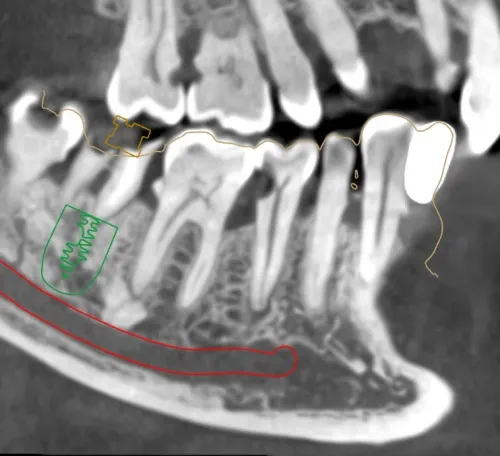
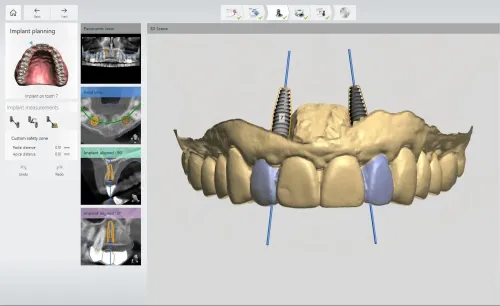
At Procare Dental LLP, every implant patient undergoes detailed clinical evaluation and CBCT-based treatment planning to determine the most appropriate treatment approach.
⏳ Why Quitting Before Surgery Helps
Stopping smoking—even temporarily—can improve:
✔ Blood circulation
✔ Healing of the gums
✔ Bone integration
✔ Immune response
✔ Long-term implant stability
Your dentist may recommend avoiding smoking for a period before and after implant surgery to give the implant the best chance of successful healing.
⚙️ Implant Procedure for Smokers
The treatment process is generally the same:
Step 1
Consultation and CBCT scan
Step 2
Digital treatment planning
Step 3
Implant placement under local anaesthesia
Step 4
Healing period
Step 5
Final crown placement
However, smokers often require closer follow-up appointments to monitor healing and gum health.
😌 Is Implant Surgery Safe for Smokers?
Most smokers tolerate implant surgery well.
Following surgery, you may experience:
- Mild swelling
- Minor discomfort
- Temporary tenderness
Following your dentist's instructions carefully is especially important if you smoke.
🪥 Tips to Improve Implant Success if You Smoke
If you smoke and are planning implant treatment:
✔ Reduce or stop smoking before surgery
✔ Avoid smoking during the healing phase
✔ Brush twice daily
✔ Clean around the implant carefully
✔ Attend regular maintenance appointments
✔ Inform your dentist about your smoking habits
These steps can significantly improve the chances of long-term implant success.
⚠️ Warning Signs After Implant Surgery
Contact your dentist if you notice:
❌ Persistent swelling
❌ Bleeding around the implant
❌ Implant mobility
❌ Pain that worsens instead of improving
❌ Pus or bad taste
Early treatment can often prevent implant complications.
💰 Are Dental Implants Still Worth It for Smokers?
For many smokers, the answer is yes.
Dental implants can still provide:
✔ Better chewing ability
✔ Improved speech
✔ Natural-looking teeth
✔ Greater confidence
✔ Preservation of jawbone compared with leaving the tooth unreplaced
The key is understanding the increased risks and working with your dentist to reduce them as much as possible.
🏥 Choosing the Right Implant Dentist
If you smoke, choose a clinic that offers:
✔ Comprehensive medical and dental assessment
✔ CBCT-guided implant planning
✔ High-quality implant systems
✔ Personalized maintenance programs
✔ Regular follow-up care
Careful planning and long-term monitoring are particularly important for smokers.
✅ Final Takeaway
Smoking does not automatically rule out dental implants, but it does increase the risk of delayed healing and implant complications.
The best results are achieved when you:
✔ Reduce or stop smoking before surgery
✔ Maintain excellent oral hygiene
✔ Attend regular dental reviews
✔ Follow your dentist's post-operative instructions
👉 If you're a smoker considering dental implants, a detailed consultation can help assess your individual risk and determine the most appropriate treatment plan. With proper planning and maintenance, many smokers enjoy successful, long-lasting implant treatment.
📍 Procare Dental LLP – Thane & Mulund
📍 Thane Branch: Nitin Company Junction, Prestige Gardens, Thane West
📞 If you're a smoker considering dental implants, you may be wondering:
'Can I still get dental implants if I smoke?'
The answer is yes—many smokers can successfully receive dental implants, but smoking increases the risk of complications before, during, and after treatment. The good news is that reducing or quitting smoking around the time of surgery can significantly improve healing and the long-term success of your implant.
🚬 How Does Smoking Affect Dental Implants?
Smoking affects the mouth in several ways:
- Reduces blood flow to the gums
- Slows wound healing
- Decreases oxygen supply to tissues
- Increases the risk of infection
- Reduces bone healing around the implant
These factors can make it more difficult for the implant to successfully bond with the jawbone (osseointegration).
📊 Does Smoking Increase Implant Failure?
Research has shown that smokers generally have a higher risk of dental implant failure than non-smokers. Smoking is also associated with a greater risk of peri-implantitis, an inflammatory condition that affects the tissues surrounding dental implants and can lead to bone loss if left untreated.
However, many smokers still achieve successful long-term implant outcomes, especially when they follow their dentist's recommendations and maintain good oral hygiene.
🦷 Can Smokers Still Get Dental Implants?
Yes.
Many smokers are suitable candidates for implants after a comprehensive evaluation.
Your dentist will assess:
✔ Overall health
✔ Smoking history
✔ Gum health
✔ Bone quality
✔ Oral hygiene
At Procare Dental LLP, every implant patient undergoes detailed clinical evaluation and CBCT-based treatment planning to determine the most appropriate treatment approach.
⏳ Why Quitting Before Surgery Helps
Stopping smoking—even temporarily—can improve:
✔ Blood circulation
✔ Healing of the gums
✔ Bone integration
✔ Immune response
✔ Long-term implant stability
Your dentist may recommend avoiding smoking for a period before and after implant surgery to give the implant the best chance of successful healing.
⚙️ Implant Procedure for Smokers
The treatment process is generally the same:
Step 1
Consultation and CBCT scan
Step 2
Digital treatment planning
Step 3
Implant placement under local anaesthesia
Step 4
Healing period
Step 5
Final crown placement
However, smokers often require closer follow-up appointments to monitor healing and gum health.
😌 Is Implant Surgery Safe for Smokers?
Most smokers tolerate implant surgery well.
Following surgery, you may experience:
- Mild swelling
- Minor discomfort
- Temporary tenderness
Following your dentist's instructions carefully is especially important if you smoke.
🪥 Tips to Improve Implant Success if You Smoke
If you smoke and are planning implant treatment:
✔ Reduce or stop smoking before surgery
✔ Avoid smoking during the healing phase
✔ Brush twice daily
✔ Clean around the implant carefully
✔ Attend regular maintenance appointments
✔ Inform your dentist about your smoking habits
These steps can significantly improve the chances of long-term implant success.
⚠️ Warning Signs After Implant Surgery
Contact your dentist if you notice:
❌ Persistent swelling
❌ Bleeding around the implant
❌ Implant mobility
❌ Pain that worsens instead of improving
❌ Pus or bad taste
Early treatment can often prevent implant complications.
💰 Are Dental Implants Still Worth It for Smokers?
For many smokers, the answer is yes.
Dental implants can still provide:
✔ Better chewing ability
✔ Improved speech
✔ Natural-looking teeth
✔ Greater confidence
✔ Preservation of jawbone compared with leaving the tooth unreplaced
The key is understanding the increased risks and working with your dentist to reduce them as much as possible.
🏥 Choosing the Right Implant Dentist
If you smoke, choose a clinic that offers:
✔ Comprehensive medical and dental assessment
✔ CBCT-guided implant planning
✔ High-quality implant systems
✔ Personalized maintenance programs
✔ Regular follow-up care
Careful planning and long-term monitoring are particularly important for smokers.
✅ Final Takeaway
Smoking does not automatically rule out dental implants, but it does increase the risk of delayed healing and implant complications.
The best results are achieved when you:
✔ Reduce or stop smoking before surgery
✔ Maintain excellent oral hygiene
✔ Attend regular dental reviews
✔ Follow your dentist's post-operative instructions
👉 If you're a smoker considering dental implants, a detailed consultation can help assess your individual risk and determine the most appropriate treatment plan. With proper planning and maintenance, many smokers enjoy successful, long-lasting implant treatment.
📍 Procare Dental LLP – Thane & Mulund
📍 Thane Branch: Nitin Company Junction, Prestige Gardens, Thane West
📞 7071876876
To know more tap on the link given below:
https://www.procaredental.in/latest-update/dental-implants-in-thane-mulund-a-complete-beginner-s-guide/161
Keywords