
If your dentist has recommended scaling or deep cleaning, you may wonder whether they are the same treatment.
They're not exactly the same.
Routine scaling is generally used to remove plaque and tartar from the visible tooth surfaces and around the gum line. Deep cleaning, often called scaling and root planing (SRP), is a periodontal treatment used when gum disease has progressed and deposits are present below the gum line.
If you're considering teeth cleaning or gum treatment in Thane or Mulund West Mumbai, understanding the difference can help you know why your dentist has recommended a particular procedure.
🦷 What Is Dental Scaling?
Dental scaling is a professional cleaning procedure that removes:
- Plaque
- Tartar/calculus
- Surface deposits
- Stains associated with plaque and calculus
Scaling can be performed using ultrasonic instruments and/or hand instruments.
It is commonly recommended as part of routine preventive dental care or for patients with early gum inflammation.
Scaling may help with:
✔ Bleeding gums caused by plaque buildup
✔ Tartar accumulation
✔ Bad breath associated with plaque
✔ Mild gingivitis
✔ Maintaining healthy gums
🦷 What Is Deep Cleaning?
Deep cleaning is commonly used to describe scaling and root planing.
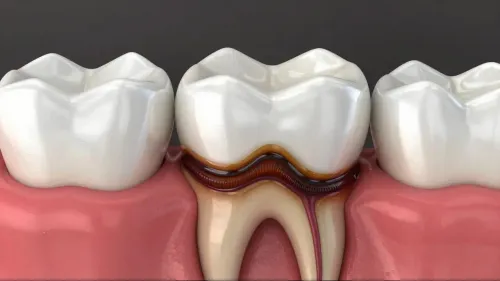
Unlike routine cleaning, it involves cleaning below the gum line and removing bacterial deposits from the root surfaces.
The goal is to reduce inflammation and help control periodontal disease.
Deep cleaning may be recommended when examination shows periodontal pockets, tartar below the gums, or other signs of periodontitis.
⚖️ Scaling vs Deep Cleaning
FeatureRoutine ScalingDeep Cleaning / SRPMain PurposePreventive cleaningTreat periodontal diseaseWhere Deposits Are RemovedAbove/around gum lineAbove and below gum lineRoot Surface TreatmentUsually noYesTypical PatientHealthy gums or gingivitisPeriodontitisLocal AnaesthesiaUsually not neededMay be usedNumber of VisitsOften 1May require multiple sessionsGum Pocket EvaluationLimitedImportantFollow-upRoutine maintenancePeriodontal monitoring
🩸 When Do You Need Scaling?
Routine scaling may be appropriate if you have:
- Tartar buildup
- Mild gum inflammation
- Bleeding while brushing
- Plaque accumulation
- Surface stains
- Bad breath associated with poor plaque control
However, your dentist should first evaluate your gum health to determine whether routine cleaning is sufficient.
🚨 When Is Deep Cleaning Recommended?
Deep cleaning may be recommended when there are signs of periodontitis, such as:
❌ Deeper periodontal pockets
❌ Tartar below the gum line
❌ Persistent bleeding
❌ Gum recession
❌ Bone loss
❌ Persistent bad breath
❌ Loose teeth
The treatment is intended to control the infection and inflammation affecting the tissues supporting your teeth.
🩺 How Does a Dentist Decide?
The decision shouldn't be based simply on how much tartar is visible.
Your dentist may assess:
✔ Gum pocket depth
✔ Bleeding on probing
✔ Gum recession
✔ Tooth mobility
✔ Bone levels on X-rays
✔ Plaque and calculus
This helps determine whether you need routine scaling or periodontal treatment.
⚙️ What Happens During Deep Cleaning?
Deep cleaning generally involves:
1. Examination
Your dentist evaluates your gums and measures periodontal pockets.
2. Scaling
Plaque and calculus are removed from the tooth surfaces.
3. Root Planing
The root surfaces are carefully cleaned and smoothed to remove bacterial deposits below the gum line.
4. Follow-Up
Your gums are reassessed to determine how well they have responded to treatment.
In more advanced cases, additional periodontal treatment may be necessary.
😌 Is Deep Cleaning Painful?
The procedure is generally performed with local anaesthesia when necessary.
After deep cleaning, you may experience:
- Mild gum tenderness
- Temporary sensitivity
- Minor bleeding
- Increased sensitivity to cold
These symptoms generally improve as the gums heal.
💰 Scaling vs Deep Cleaning Cost
The cost varies depending on:
- Amount of tartar
- Gum condition
- Number of teeth
- Number of areas requiring treatment
- Whether periodontal treatment is required
Routine scaling is generally less expensive than deep cleaning because deep cleaning is a more extensive periodontal procedure.
A dental examination is necessary to determine the appropriate treatment and cost.
❓ Can Scaling Treat Gum Disease?
It depends on the stage.
Gingivitis
Routine professional cleaning combined with good home care can often help control plaque-related gingivitis.
Periodontitis
Established periodontitis generally requires more comprehensive periodontal treatment. Scaling alone may not adequately address deposits below the gum line.
This distinction is important because deep cleaning should not be recommended simply as a more expensive version of routine cleaning—it should be based on periodontal findings.
🪥 How Often Should You Get Dental Cleaning?
There isn't one schedule that works for everyone.
Some people may benefit from routine professional cleaning approximately every 6 months, while patients with a history of gum disease may need more frequent periodontal maintenance.
Your dentist should recommend an interval based on your individual risk and gum health.
🚫 Does Scaling Damage Your Teeth?
No. Professional scaling does not normally damage healthy tooth enamel when performed appropriately.
After tartar is removed, some patients may temporarily notice:
- Increased tooth sensitivity
- Spaces that appear between teeth
- Teeth feeling slightly different
This can happen because hardened tartar that was covering the tooth and gum margins has been removed. It does not mean the cleaning has damaged your teeth.
🏥 Scaling & Deep Cleaning in Thane and Mulund West
At Procare Dental LLP, gum health is assessed before recommending professional cleaning.
Depending on your examination, treatment may involve:
Routine scaling → Deep cleaning/SRP → Periodontal maintenance
The goal is to provide the right level of treatment for the actual condition of your gums, rather than treating every patient the same way.
✅ Final Takeaway
Scaling and deep cleaning are not the same treatment.
Scaling is generally suitable for:
✔ Plaque and tartar removal
✔ Preventive cleaning
✔ Mild gingivitis
✔ Maintaining gum health
Deep cleaning/SRP is generally used for:
✔ Periodontitis
✔ Deeper gum pockets
✔ Tartar below the gum line
✔ Root-surface deposits
✔ Gum and bone-support problems
👉 If you're experiencing bleeding gums, gum recession, bad breath, or loose teeth, don't simply book a routine cleaning without an examination. Your dentist should first determine whether you have gingivitis or periodontitis and recommend the appropriate treatment.
Procare Dental LLP – Thane & Mulund West, Mumbai
📞 7071876876
To know more tap on the link given below:
https://www.procaredental.in/latest-update/best-teeth-whitening-options-in-mumbai-for-a-brighter-smile/172
Keywords