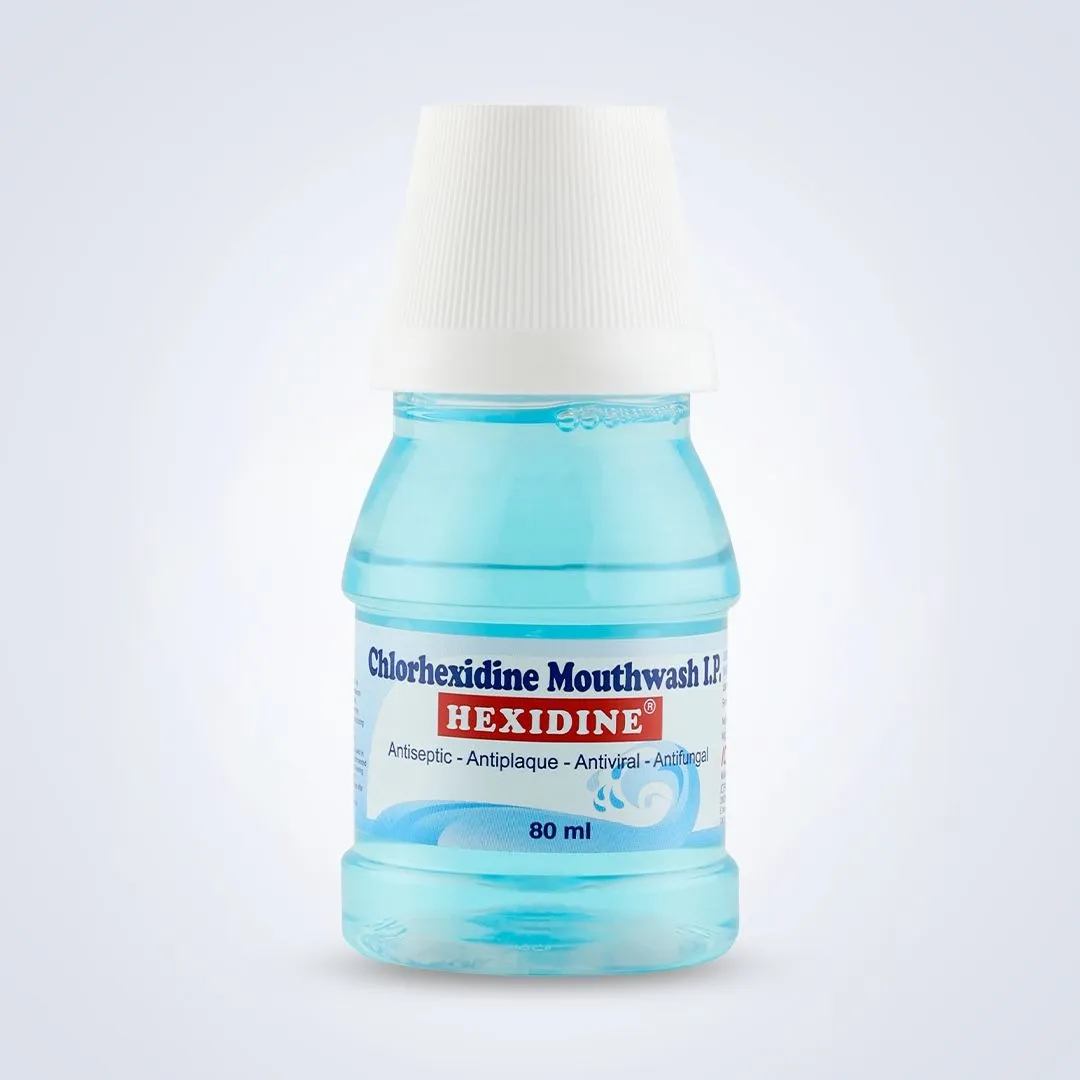
Mouthwash is one of the most commonly used oral care products — yet also one of the most misunderstood. Many people believe using mouthwash daily guarantees fresh breath and healthy gums. The reality is more nuanced.
Used correctly, mouthwash can be helpful.
Used incorrectly or excessively, it can sometimes do more harm than good.
If you’re in Thane, Mulund, or Mumbai, this guide will help you understand when mouthwash is useful and when it’s best avoided.
What Does Mouthwash Actually Do?
Mouthwash is a supportive oral hygiene product, not a replacement for brushing and flossing. Depending on its type, it can:
• Reduce bacteria
• Temporarily freshen breath
• Deliver fluoride
• Support gum healing
• Reduce plaque formation
But it cannot remove tartar or treat dental disease on its own.
✅ When You SHOULD Use Mouthwash
1. After Professional Dental Cleaning or Gum Treatment
Dentists may prescribe an antibacterial mouthwash after:
• Scaling and polishing
• Deep gum cleaning
• Periodontal treatment
This helps reduce bacteria and supports healing.
2. If You Have Gum Infections or Bleeding Gums (Short-Term)
Medicated mouthwashes (like chlorhexidine) help control infection — but only for limited periods, as advised by your dentist.
3. For Cavity Protection (Fluoride Mouthwash)
Fluoride mouthwash is useful for:
• Children and teens
• Patients with frequent cavities
• Weak enamel
• Braces or aligners
It strengthens teeth and reduces decay risk.
4. For Temporary Bad Breath
Mouthwash can help mask odour temporarily, especially after meals or long workdays — but remember, persistent bad breath usually means an underlying issue.
5. If Brushing Is Temporarily Difficult
In cases like:
• Post-surgery
• Jaw pain
• Medical limitations
Mouthwash can provide temporary oral hygiene support — not a long-term substitute.
❌ When You Should AVOID Mouthwash
1. As a Replacement for Brushing or Flossing
Mouthwash does NOT:
❌ Remove plaque
❌ Remove food stuck between teeth
❌ Remove tartar
Skipping brushing leads to cavities and gum disease.
2. Long-Term Use of Strong Antibacterial Mouthwash
Overuse of medicated mouthwash can cause:
• Tooth staining
• Altered taste
• Dry mouth
• Gum irritation
Always follow your dentist’s instructions.
3. If You Have Dry Mouth
Alcohol-based mouthwashes can worsen dryness and increase bad breath over time.
Choose alcohol-free alternatives if needed.
4. If It Causes Burning or Stinging
A burning sensation is not normal. Stop using the product and consult your dentist.
5. For Young Children
Children under 6 years should not use mouthwash due to risk of swallowing.
Types of Mouthwash & Their Uses
🟢 Antibacterial (Prescription)
• Gum infections
• Short-term use only
🟢 Fluoride
• Cavity prevention
• Daily use (nighttime best)
🟢 Cosmetic (Fresh Breath)
• Temporary freshness
• No disease control
🟢 Alcohol-Free
• Dry mouth
• Sensitive gums
How to Use Mouthwash Correctly
✔ Use after brushing and flossing
✔ Measure the correct amount
✔ Rinse for 30 seconds
✔ Do not swallow
✔ Avoid eating/drinking for 30 minutes
More is not better.
Why Dentists Don’t Recommend Mouthwash for Everyone
Because mouthwash cannot:
• Cure gum disease
• Fix cavities
• Stop tooth pain
• Replace professional cleaning
It is an add-on, not a solution.
Our Advice at Procare Dental LLP
At Procare Dental LLP (Thane & Mulund), we recommend mouthwash only when it truly adds value to your oral care routine.
We provide:
✔ Personalised mouthwash advice
✔ Short-term prescriptions when needed
✔ Long-term oral hygiene planning
✔ Focus on prevention, not masking symptoms
Final Takeaway
Mouthwash is helpful — but only when used correctly.
Healthy teeth and gums come from:
🦷 Brushing
🦷 Flossing
🦷 Professional cleaning
🦷 Regular dental check-ups
Mouthwash simply supports these habits.
Book an Oral Hygiene Consultation
📍 Thane & Mulund
📞 7071876876
Keywords