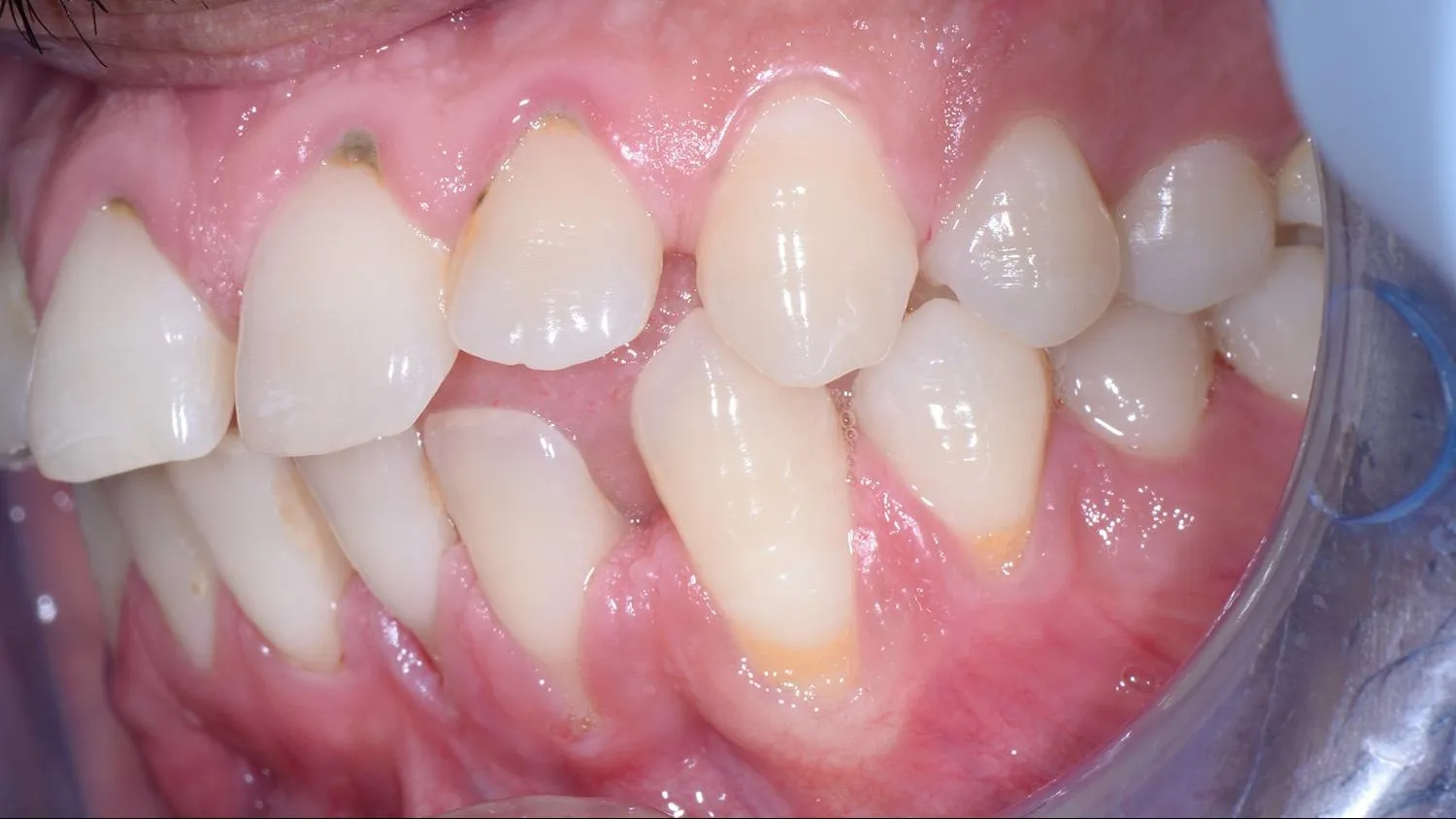
A loose adult tooth can be worrying. While baby teeth are expected to become loose, a permanent adult tooth should not normally move noticeably.
Loose teeth can be caused by gum disease, trauma, excessive biting forces, infection, or loss of the bone supporting the tooth. In some cases, early treatment can stabilize the tooth and prevent tooth loss.
If you have a loose tooth in Thane or Mulund West Mumbai, here's what you should know.
🦷 Why Do Adult Teeth Become Loose?
A permanent tooth is held firmly in place by the periodontal ligament and surrounding jawbone. When these supporting tissues are damaged, the tooth can start to move.
Common causes include:
1. Gum Disease
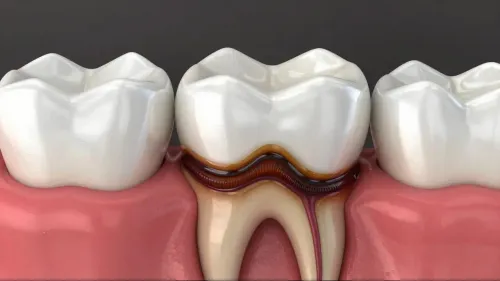
Periodontitis is one of the most important causes of loose adult teeth.
Long-standing gum infection can gradually destroy the bone and tissues supporting the teeth.
You may also notice:
- 🩸 Bleeding gums
- 🔴 Swollen or red gums
- 😮💨 Persistent bad breath
- Gum recession
- Pus around the gums
- Increasing tooth mobility
The earlier periodontal disease is diagnosed, the better the chances of controlling it.
2. Trauma or Injury
A tooth can become loose after:
- A sports injury
- A fall
- An accident
- A blow to the face
- Biting something unexpectedly hard
A recently injured tooth should be examined promptly, even if there is little pain.
3. Excessive Bite Forces
Grinding or clenching your teeth can put excessive forces on the supporting tissues.
This may cause:
- Tooth tenderness
- Increased mobility
- Jaw discomfort
- Wear or fractures
Your dentist may assess your bite and recommend appropriate treatment, such as a night guard, if indicated.
4. Tooth Infection
A severe infection around the root of a tooth can sometimes cause tenderness and increased mobility.
Depending on the condition of the tooth, treatment may involve root canal treatment, periodontal treatment, or another procedure.
5. Loss of Bone Support
Advanced periodontal disease can cause significant loss of the bone surrounding a tooth.
In such cases, treatment focuses on controlling the gum disease and determining whether the tooth can be predictably maintained.
6. Poorly Fitting Dental Restorations
Certain crowns, bridges, or fillings can make cleaning difficult or alter the bite.
Your dentist can assess whether an existing restoration is contributing to gum inflammation or excessive forces.
🚨 Is a Loose Tooth a Dental Emergency?
It depends on the cause.
A mildly mobile tooth caused by chronic gum disease may not require emergency treatment, but it should not be ignored.
A tooth that suddenly becomes loose after an accident, develops significant swelling, or is associated with severe pain requires prompt dental evaluation.
🩺 How Does a Dentist Check a Loose Tooth?
Your dentist may evaluate:
✔ Degree of tooth mobility
✔ Gum health
✔ Periodontal pocket depths
✔ Bite and tooth contacts
✔ Tooth condition
✔ Bone support
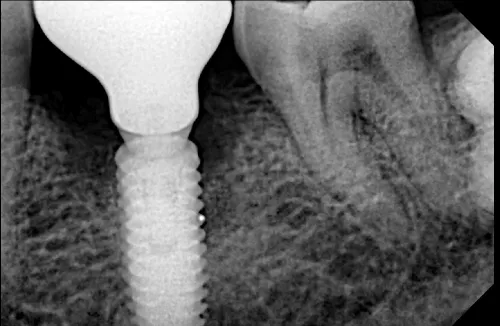
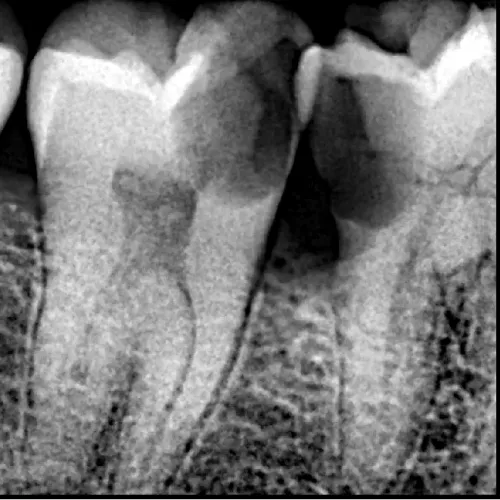
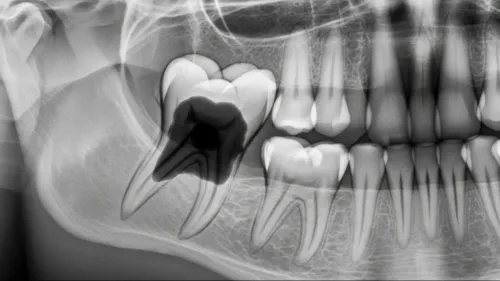
Dental X-rays can help assess the amount of bone around the tooth and identify problems involving the root.
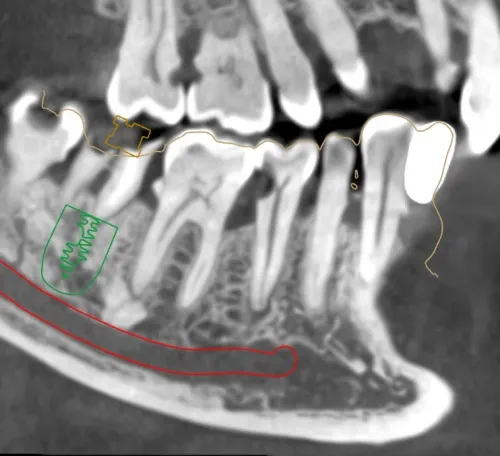
In selected complex cases, CBCT imaging may provide additional information.
🛠️ Can a Loose Tooth Be Saved?
Often, yes—depending on the cause and how much supporting tissue remains.
Treatment may include:
🧼 Professional Gum Treatment
If gum disease is responsible, treatment may include professional cleaning, scaling and root surface debridement, along with improved home care.
More advanced periodontal disease may require additional periodontal procedures.
🦷 Splinting
In selected cases, a mobile tooth can be temporarily connected to neighboring teeth using a dental splint.
This can provide stability while the underlying tissues heal.
Splinting does not treat the underlying cause by itself, so periodontal or other treatment may still be necessary.
🦷 Root Canal Treatment
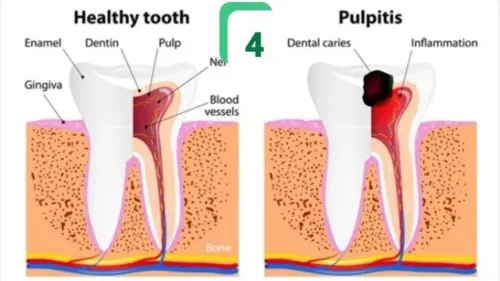
If an infected or damaged pulp is contributing to the problem, root canal treatment may be recommended when the tooth is restorable.
😬 Bite Adjustment
If excessive forces are contributing to mobility, your dentist may evaluate and adjust the bite when appropriate.
❌ When Might a Loose Tooth Need Extraction?
Unfortunately, some teeth cannot be predictably saved.
Extraction may be considered when there is:
- Severe bone loss
- A vertical root fracture
- Extensive decay
- Severe structural damage
- Advanced periodontal disease with a poor prognosis
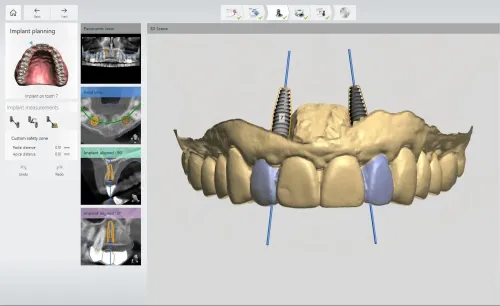
If a tooth needs to be removed, your dentist can discuss replacement options such as a dental implant, bridge, or denture.
🦷 Can a Loose Tooth Become Firm Again?
Sometimes.
If mobility is caused by inflammation, trauma, or excessive forces and the underlying problem is successfully treated, the tooth may become more stable.
However, teeth with substantial supporting bone loss may continue to have some mobility.
The prognosis depends on the cause, amount of remaining bone support, tooth condition, and response to treatment.
🚫 What Should You Do If Your Tooth Is Loose?
Until you are examined:
✔ Avoid deliberately wiggling the tooth
✔ Avoid chewing very hard foods on that tooth
✔ Continue gentle oral hygiene
✔ Don't attempt to remove the tooth yourself
✔ Arrange a dental examination
If the tooth became loose after an injury, seek evaluation as soon as possible.
🏥 Loose Tooth Treatment in Thane & Mulund West
At Procare Dental LLP, a loose tooth can be evaluated through a comprehensive dental and periodontal examination, with X-rays or other imaging when indicated.
The objective is to determine why the tooth is loose and whether it can be stabilized and preserved.
Saving a natural tooth is generally preferred whenever it has a reasonable long-term prognosis.
🚨 When Should You See a Dentist?
Don't wait if you notice:
🦷 A permanent tooth moving
🩸 Bleeding or swollen gums
😣 Pain while biting
🦠 Pus around the tooth
😮💨 Persistent bad breath
🦷 Gum recession
🤕 A tooth becoming loose after an injury
The earlier the cause is identified, the more treatment options may be available.
✅ Final Takeaway
A loose permanent tooth is not normal, but it doesn't automatically mean you're going to lose the tooth.
Common causes include:
- Gum disease
- Trauma
- Excessive biting forces
- Infection
- Bone loss
Depending on the cause, treatment may include periodontal therapy, splinting, root canal treatment, bite management, or other restorative procedures.
👉 If you notice a loose adult tooth, don't wait for it to become painful. A timely dental examination can help determine whether the tooth can be stabilized and preserved.
Procare Dental LLP – Thane & Mulund West, Mumbai
📞 7071876876
To know more tap on the link given below:
Keywords