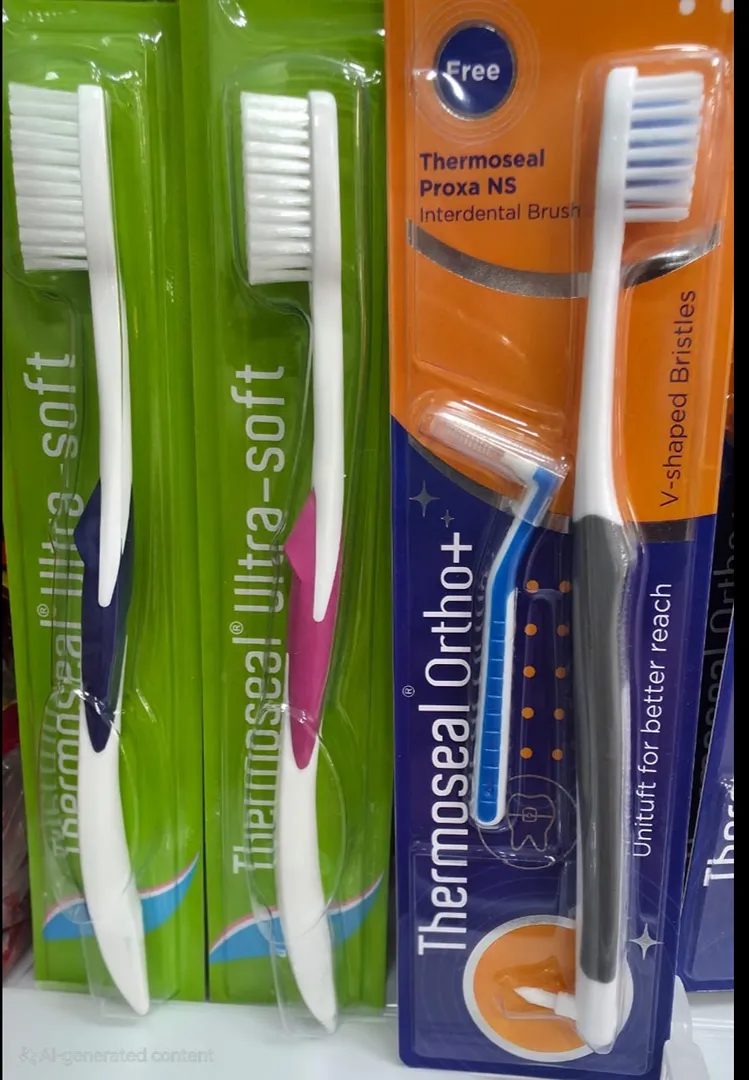
Your toothbrush is your first line of defence against cavities, gum disease, and bad breath. Yet many people continue using the same toothbrush far longer than they should—without realising it may actually be doing more harm than good.
If you’re living in Thane, Mulund, or Mumbai, here’s a clear, dentist-approved guide on when to change your toothbrush and why it truly matters.
The Simple Rule: Every 3 Months
👉 Dentists recommend changing your toothbrush every 3 months.
Over time:
• Bristles wear out
• Cleaning efficiency reduces
• Bacteria build up
A worn toothbrush cannot clean teeth and gums effectively.
Signs You Should Change Your Toothbrush Immediately
Even if 3 months haven’t passed, replace your toothbrush if:
❗ Bristles are bent or frayed
❗ Brush looks splayed or rough
❗ It smells unpleasant
❗ You’ve been sick recently
❗ It’s older than 3–4 months
Using a worn brush can damage gums and leave plaque behind.
Why Old Toothbrushes Are a Problem
🦷 1. Poor Plaque Removal
Bent bristles:
• Don’t reach between teeth
• Miss the gum line
• Leave plaque behind
This increases cavity and gum disease risk.
🦷 2. Gum Damage
Frayed bristles can:
• Irritate gums
• Cause recession
• Increase sensitivity
Ironically, brushing harder with a worn brush worsens the damage.
🦷 3. Bacteria Buildup
Toothbrushes are exposed to:
• Moist environments
• Bathroom bacteria
• Oral bacteria
An old toothbrush can reintroduce bacteria into your mouth.
Special Situations When You Should Change Earlier
🤒 After Illness
If you’ve had:
• Flu
• Fever
• Cold
• Throat infection
Replace your toothbrush once you recover to avoid reinfection.
👶 Children’s Toothbrushes
Kids often chew on brushes, causing faster wear.
👉 Replace children’s toothbrushes every 2–3 months or sooner.
😬 If You Brush Aggressively
Heavy brushing wears bristles faster—replace more frequently and consider a softer brush.
What About Electric Toothbrush Heads?
Electric toothbrush heads should be changed:
• Every 3 months, or
• When indicator bristles fade
Using old heads reduces the benefit of electric brushing.
Does Toothbrush Quality Matter?
Yes.
A good toothbrush should have:
✔ Soft bristles
✔ Small head for better reach
✔ Comfortable grip
Expensive brushes are not required—proper technique and timely replacement matter more.
How to Make Your Toothbrush Last (Safely)
✔ Rinse thoroughly after use
✔ Let it air-dry upright
✔ Don’t cover it when wet
✔ Keep it away from toilet splash zone
✔ Don’t share toothbrushes
Good storage prevents bacterial growth.
Common Toothbrush Myths (Busted)
❌ “If it looks fine, it’s fine”
✔ Worn bristles aren’t always obvious.
❌ “Hard bristles clean better”
✔ Soft bristles clean better and protect gums.
❌ “Mouthwash disinfects toothbrushes”
✔ It does not fully eliminate bacteria.
Why Dentists Emphasise Toothbrush Replacement
At Procare Dental LLP (Thane & Mulund), we often see:
• Good brushing habits with poor tools
• Gum problems from worn brushes
• Ineffective plaque control
Changing your toothbrush on time is a simple but powerful preventive step.
Final Takeaway
✔ Change your toothbrush every 3 months
✔ Replace it sooner if bristles are worn or after illness
✔ Use a soft-bristled brush
✔ Combine with correct brushing technique
Sometimes, better oral health starts with a new toothbrush.
Book a Preventive Dental Check-Up
📍 Clinics in Thane & Mulund
📞 7071876876
Keywords