One of the most common questions patients ask when they hear they need a root canal treatment (RCT) is:
“How long will the procedure take?”
Many people imagine multiple long appointments, but modern dentistry has made root canal treatments faster, more comfortable, and more predictable than ever.
If you’re considering a root canal treatment in Mulund West or Thane, here’s a simple timeline explaining what actually happens and how long each step usually takes.
First: What Is Root Canal Treatment?
A root canal is a dental procedure done to remove infection from inside the tooth and save the natural tooth.
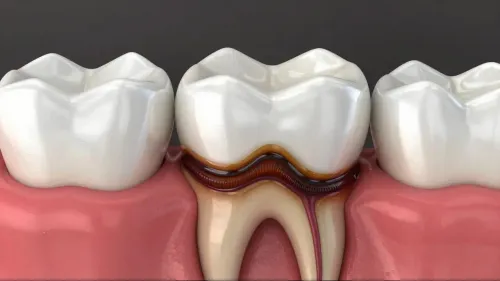
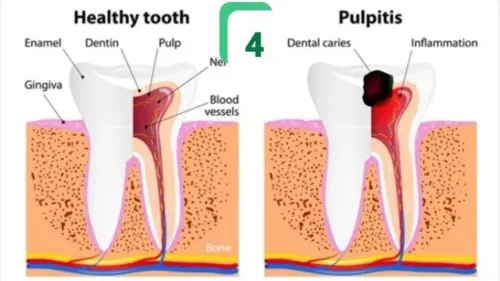
Inside every tooth is soft tissue called the pulp, which contains nerves and blood vessels. When bacteria infect this pulp due to decay, cracks, or trauma, it can cause:
• Severe tooth pain
• Sensitivity to hot or cold
• Swelling in the gums
• Pus or infection
Root canal treatment removes this infection, cleans the canals, and seals the tooth to prevent further damage.
Average Time Required for Root Canal Treatment
The total time for root canal treatment depends on:
• Which tooth is affected
• How severe the infection is
• Whether swelling is present
• The complexity of root canals
In most cases:
⏱ Root canal treatment takes between 45 minutes and 90 minutes per visit.
Some cases can be completed in one sitting, while others may require two visits.
Step-by-Step Timeline of a Root Canal
Step 1: Diagnosis and X-Ray (10–15 minutes)
The first step is to confirm the need for a root canal.
Your dentist will:
• Examine the tooth
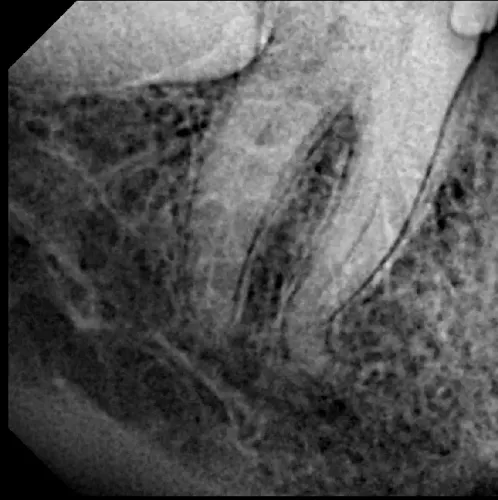
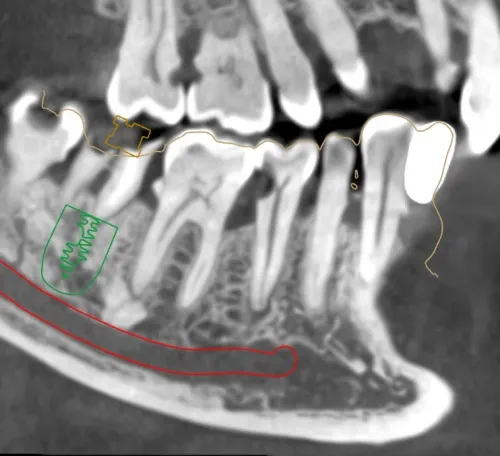
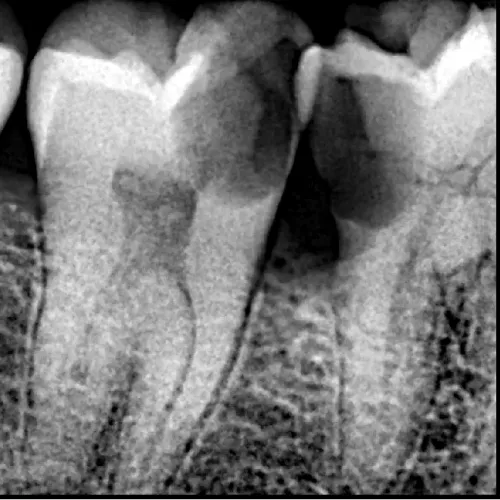
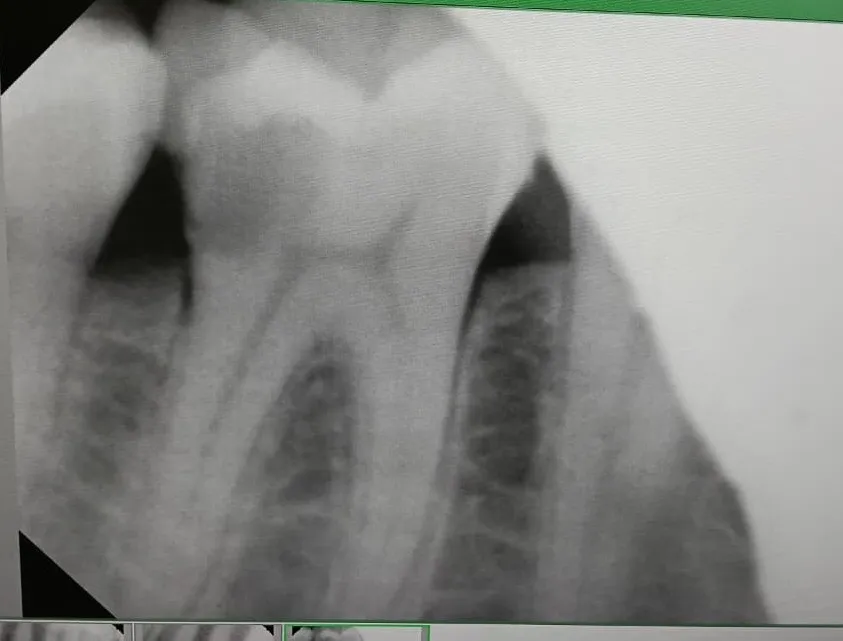
• Take digital dental X-rays
• Identify the infected root canals
This step helps determine the complexity and number of canals in the tooth.
Molars usually have 3–4 canals, while front teeth have 1 canal, which affects treatment time.
Step 2: Local Anaesthesia (5 minutes)
Before the procedure begins, the dentist will administer local anaesthesia.
This numbs the tooth completely so that:
• The treatment is painless
• You feel only mild pressure
Modern anaesthesia makes root canal treatment very comfortable for most patients.
Step 3: Cleaning the Infected Pulp (20–40 minutes)
This is the most important step.
The dentist will:
• Create a small opening in the tooth
• Remove infected pulp tissue
• Clean and disinfect the root canals
• Shape the canals using specialised instruments
Advanced tools such as rotary instruments and digital apex locators allow dentists to clean canals much more efficiently than older techniques.
Step 4: Filling and Sealing the Root Canals (10–20 minutes)
Once the canals are thoroughly cleaned, they are filled with a special material called gutta-percha.
This step:
• Seals the canal
• Prevents bacteria from re-entering
• Stabilizes the tooth internally
A temporary filling is often placed on top until the final crown is prepared.
Step 5: Dental Crown Placement (Second Appointment)
After a root canal, the tooth becomes slightly weaker because the nerve tissue has been removed.
For this reason, dentists usually recommend placing a dental crown to protect the tooth.
This step usually happens in a separate visit and takes about:
30–45 minutes for preparation
followed by crown placement in the next visit.
One-Sitting Root Canal vs Two-Visit Root Canal
One-Sitting Root Canal
Many modern root canals can be completed in a single visit when:
• Infection is limited
• There is no swelling or pus
• The tooth structure is stable
Single-visit root canals are common for:
• Front teeth
• Mild infections
• Early diagnosis cases
Two-Visit Root Canal
Two visits may be needed when:
• Infection is severe
• There is swelling or abscess
• Multiple complex canals exist
• Medication needs to be placed inside the tooth
In such cases, a medicated dressing is placed inside the tooth to eliminate bacteria before final sealing.
Does a Root Canal Hurt?
This is one of the biggest myths about dentistry.
Modern root canal treatments are typically no more uncomfortable than getting a dental filling.
Most patients report:
• Relief from pain after treatment
• Minimal discomfort afterward
• Mild soreness for 1–2 days
Pain before the treatment is usually worse than the procedure itself.
How Long Does Recovery Take?
Recovery after a root canal is usually quick.
Most patients can:
• Resume work the same day
• Eat normally within 24 hours
• Return to routine activities immediately
However, dentists recommend avoiding chewing on the treated tooth until the permanent crown is placed.
Why Early Treatment Saves Time
Delaying root canal treatment can lead to:
• Increased infection
• Tooth fracture
• Swelling or abscess
• More complex treatment
Early treatment often means shorter appointments and fewer visits.
Modern Technology Has Made RCT Faster
Advancements in dentistry have significantly improved root canal procedures.
Today dentists use:
• Digital X-rays
• Rotary endodontic instruments
• Apex locators
• Advanced disinfecting solutions
These technologies allow root canal treatments to be more precise and faster than before.
Root Canal Treatment in Mulund West & Thane
Patients searching for “Root Canal Treatment in Mulund West Mumbai” often want:
• Fast relief from tooth pain
• Minimal appointments
• Comfortable treatment
• Long-lasting results
At Procare Dental LLP, modern equipment and careful treatment planning help ensure that root canals are efficient, comfortable, and successful.
Final Takeaway
Root canal treatment is far quicker and easier than most people expect.
Typical timeline:
• Diagnosis & X-ray – 10 to 15 minutes
• Cleaning and shaping canals – 20 to 40 minutes
• Filling and sealing – 10 to 20 minutes
• Total treatment time – 45 to 90 minutes
In many cases, the entire procedure can be completed in just one visit.
Most importantly, root canal treatment saves your natural tooth and eliminates infection, helping you maintain a healthy smile.
📍 Procare Dental LLP – Thane & Mulund
📞 7071876876
Keywords