One of the most common questions patients ask before getting a dental implant is:
'Will my dental implant last a lifetime?'
The short answer is yes—many dental implants can last for decades, and some may even last a lifetime with proper care. While the implant itself is designed to be a long-term solution, the crown attached to the implant may eventually need replacement due to normal wear and tear.
If you're considering dental implants in Thane or Mulund West Mumbai, understanding what affects their lifespan can help you protect your investment.
🦷 What Parts of a Dental Implant Can Wear Out?
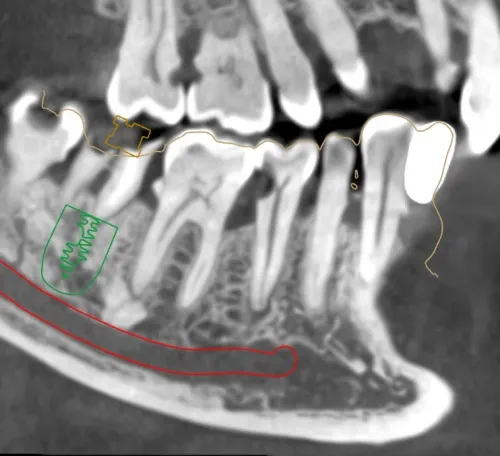
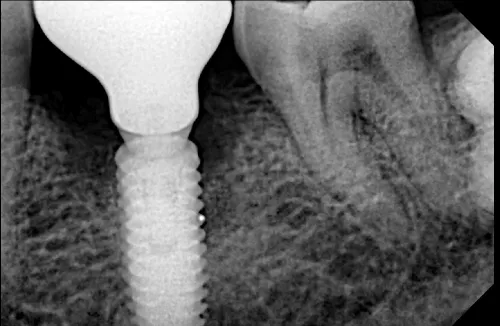
A dental implant consists of three components:
1. Implant Fixture
The titanium implant is placed into the jawbone.
✔ Expected lifespan: 20–30 years or longer
With good oral hygiene and healthy bone support, many implants remain functional for life.
2. Abutment
The abutment connects the implant to the crown.
It rarely requires replacement unless damaged or loosened.
3. Crown
The visible artificial tooth attached to the implant.
Typical lifespan:
✔ 10–15 years
High-quality zirconia crowns may last even longer depending on oral habits and maintenance.
📊 Average Lifespan of Dental Implants
ComponentAverage LifespanTitanium Implant20–30+ yearsImplant Crown10–15+ yearsAbutmentOften lasts as long as the implant
Many clinical studies report implant survival rates above 95% after 10 years when patients maintain good oral hygiene and receive regular professional care.
💡 Factors That Affect Implant Longevity
1. Oral Hygiene
Daily brushing and flossing are essential.
Poor oral hygiene increases the risk of peri-implant disease, an infection around the implant that can lead to bone loss.
2. Regular Dental Check-ups
Routine examinations allow your dentist to:
- Monitor bone levels
- Check implant stability
- Clean around the implant
- Detect problems early
Professional maintenance helps maximize implant lifespan.
3. Smoking
Smoking can:
- Delay healing
- Increase the risk of implant failure
- Affect long-term bone health
Patients who stop smoking generally experience better implant success rates.
4. Bone Quality
Healthy jawbone provides strong support for the implant.
If bone loss is present, procedures such as bone grafting may be recommended before implant placement.
5. Teeth Grinding (Bruxism)
Grinding or clenching can place excessive pressure on implants.
Patients with bruxism may benefit from wearing a custom night guard to protect their implants and crowns.
🦷 Signs That Your Implant Is Healthy
A healthy implant should:
✔ Feel stable and secure
✔ Allow comfortable chewing
✔ Have healthy pink gums around it
✔ Show no bleeding or swelling
✔ Function like a natural tooth
⚠️ Warning Signs That Need Attention
Contact your dentist if you notice:
❌ Implant mobility
❌ Bleeding around the implant
❌ Swollen or painful gums
❌ Bad taste or discharge
❌ Difficulty chewing
Early treatment can often prevent more serious complications.
🏥 How to Make Your Dental Implant Last Longer
To maximize the lifespan of your implant:
✔ Brush twice daily
✔ Floss or use interdental brushes around the implant
✔ Visit your dentist every six months
✔ Avoid smoking
✔ Wear a night guard if you grind your teeth
✔ Follow your dentist's maintenance recommendations
At Procare Dental LLP, patients receive personalized implant maintenance programs to help ensure long-term success and preserve their investment.
💰 Are Dental Implants Worth the Investment?
Although implants have a higher initial cost than bridges or dentures, they offer significant long-term benefits:
✔ Preserve jawbone
✔ Do not damage neighboring teeth
✔ Restore natural chewing ability
✔ Look and feel like natural teeth
✔ Can last for decades with proper care
For many patients, this makes implants one of the most cost-effective tooth replacement options over time.
🏥 Why Long-Term Follow-Up Matters
Successful implant treatment doesn't end after surgery.
Regular reviews help your dentist:
- Monitor gum health
- Check implant stability
- Ensure the crown remains in good condition
- Detect minor issues before they become major problems
Consistent maintenance is one of the biggest factors influencing implant longevity.
✅ Final Takeaway
Dental implants are one of the most durable and predictable tooth replacement options available today.
✔ Titanium implant: 20–30+ years (often lifelong)
✔ Implant crown: 10–15+ years
✔ Success rate: Above 95% over 10 years in many long-term studies
✔ Best results: Achieved with good oral hygiene, regular dental visits, and healthy lifestyle habits
👉 With proper care and routine maintenance, a dental implant can restore your smile, confidence, and chewing ability for many years—making it a worthwhile long-term investment in your oral health.
📍 Procare Dental LLP – Thane & Mulund
📞 7071876876
To know more tap on the link given below:
https://www.procaredental.in/latest-update/how-long-do-dental-implants-really-last/281
Keywords